
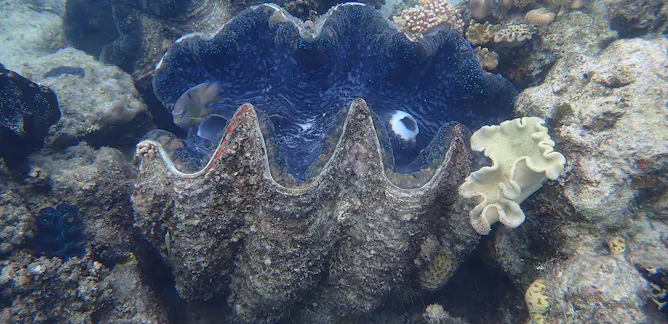
La coquille d’un bénitier géant vieux de 225 ans a permis de reconstituer, mois après mois, le climat de la Grande Barrière de corail avant le réchauffement industriel.
James Cook University

Creating a brighter future for life in the Tropics and beyond, through education and research that makes a difference locally, and globally.
Links
Articles

The clam fills a crucial gap in our records of what the reef was like before industrial-era global warming.

Será que estamos otimizando demais nossa realidade, e perdendo assim a diversidade que torna o mundo tão rico e interessante?
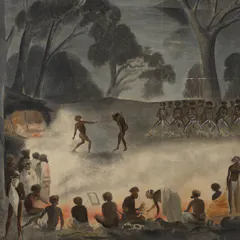
Genetic, archaeological and environmental evidence suggest the Indigenous population fell by more than 90% in the 70 years after the British invaded.

Tailored interventions are crucial for improving equitable access to maternal healthcare for women with disabilities.
Are we optimising too much?
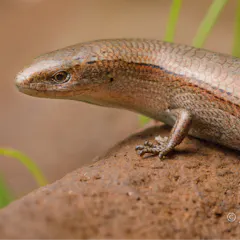
Australia is famous for its lizards and snakes. But we found at least 127 species are threatened – almost twice as many as previously thought.
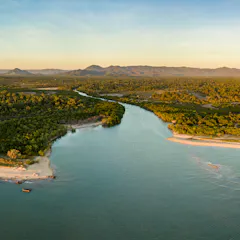
Sediment and nitrogen runoff carried by rivers is a major challenge to the Great Barrier Reef. Science confirms efforts to improve water quality are paying off.
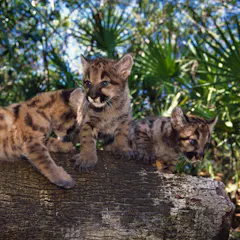
Four experts explain what genetic health is and why it matters for our most vulnerable wildlife.
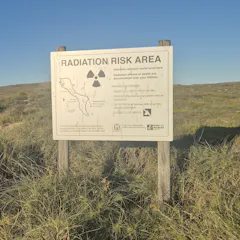
The bomb tested on WA’s Montebello Islands was at least four times as big as the Hiroshima blast. Yet key facts about this test remain shrouded in secrecy.
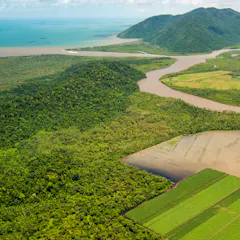
There’s one big threat facing the Great Barrier Reef which Australian authorities can solve. But will they?
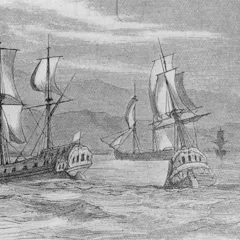
New mathematical modelling shows the first smallpox epidemic among Aboriginal people in the Sydney region may have spread thousands of kilometres and lasted decades.

Publishing and having access to scientific articles is an expensive business for research institutions. Fortunately, there are content providers out there who deliver rigorous material that’s free of charge.

Publier et accéder à des articles scientifiques coûte très cher aux organismes de recherche. Découvrez des exemples concrets de publications qui allient gratuité, exigence et rigueur.
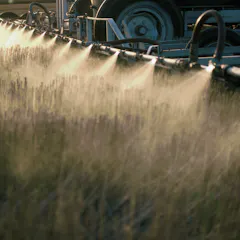
Paraquat is banned in dozens of countries – but this cheap imported herbicide is everywhere in Australia.
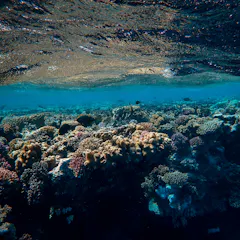
Connectivity isn’t a nice-to-have for coral reefs – it’s their lifeline. And now scientists know which reefs serve as vital ‘stepping stones’ for coral larvae.

The safeguards in place to protect research integrity are not keeping pace with the tools that can be used to circumvent them.
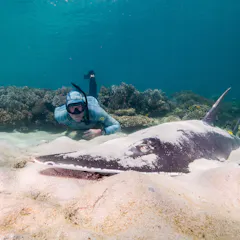
Citizens have contributed to science in Australia for many decades – and the field is now undergoing rapid growth

At binz stores, surplus goods move downstream through a hidden retail ecosystem, giving products a second life and shoppers the chance to stretch their dollars.
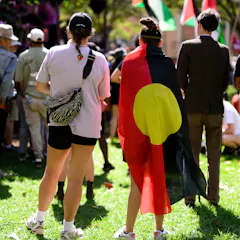
Latest data show First Nations women are much more likely to be killed than non-Indigenous women. It demands action.
Authors
-

Lecturer, James Cook University
-
Partner Investigator, ARC Centre of Excellence for Indigenous and Environmental Histories and Futures, James Cook University
-
Senior lecturer, Clinical Psychology, James Cook University
-
Professor, College of Science & Engineering, James Cook University
-
Professor and head of professional development GRS, James Cook University
-
Adjunct Principal Research Fellow, College of Science and Engineering, James Cook University
-
Senior Lecturer, School of Social and Health Sciences, James Cook University
-
DECRA Research Fellow in molecular ecology, James Cook University
-
Associate Professor, College of Science & Engineering, James Cook University
-
PhD Candidate, College of Science & Engineering, James Cook University
-
Principal Research Scientist at TropWATER, James Cook University
-
Senior Lecturer in Sedimentology, James Cook University
-
Sean Ulm is a Friend of The Conversation.
Director, ARC Centre of Excellence for Indigenous and Environmental Histories and Futures, James Cook University
-
Senior Research Fellow, TropWATER, James Cook University
-
Senior Lecturer in Human Geography, James Cook University