

L’inactivité physique est souvent attribuée à un manque de motivation individuelle. Cette perspective minimise le rôle des lieux de vie où les opportunités de bouger sont trop rares.
Baker Heart and Diabetes Institute

The Baker Institute is Australia’s only independent medical research institute dedicated to heart attack, heart failure, diabetes and obesity — where discovery science meets real-world impact, and every breakthrough brings us closer to a healthier future.
Links
Articles

With screens dominating family life, understanding the impact of parental screen habits on the health of the whole family can guide us in setting better boundaries.
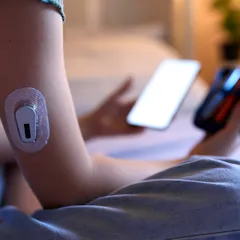
There are two main types, with pros and cons for each. One thing’s certain though. Don’t rely on your watch to monitor your blood sugar levels.
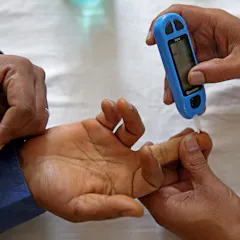
Just over 10% of the world’s adults now live with diabetes and the COVID pandemic saw many people sitting down for longer periods – but small daily changes can improve health.

El desarrollo de la tecnología y la biología estructural ha hecho que los fármacos cada vez tarden menos en salir al mercado. Ahora, una nueva metodología ha conseguido acelerar el proceso aún más.
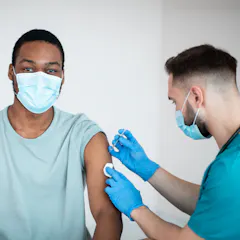
A small number of cases of myocarditis and pericarditis have been reported following the mRNA COVID vaccines developed by Pfizer and Moderna. But this is no reason to avoid the jab.
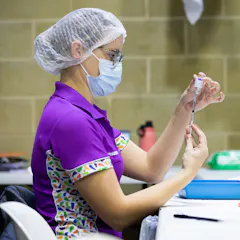
The clotting condition has affected one in 88,000 Australians and is less deadly than previously thought.

We’ve known for some time type 2 diabetes causes a range of health complications, like heart disease. But now we’re starting to see people with diabetes are more likely to get cancer and dementia too.

It’s early days yet but a growing body of research evidence suggests COVID-19 causes abnormalities in blood clotting, which means blood thinning drugs may have a role to play in treatment.
COVID-19 causes blood clots in some people. If these clots get into the lungs, brain or heart, they can cut off blood supply and oxygen, causing pulmonary embolisms, strokes or heart attacks.

We’ve got 6 tips and a tailored exercise program to help you keep active at home during the coronavirus pandemic.

A new study has found a vegetarian diet is associated with a reduced risk of heart disease, but linked to an increased risk of stroke. This is how we should – and shouldn’t – interpret the results.

Caffeine may be able to increase the function of what we call ‘brown fat’. But we shouldn’t immediately scramble for the closest long black or flat white and expect to see the kilos drop.

The new Apple Watch is making waves for being able to record an electrocardiogram (ECG) and share it. An ECG can tell you what’s going on with your heart.

The adult heart rate should be between 60 and 100 beats per minute,but lots of factors can affect this.
A new study has found too few Indigenous people are getting health checks, despite their elevated risk of heart problems.

Politicians make sweeping statements on how to close the gap. But here’s advice from people working directly with Indigenous communities who have evidence for what actually works.

Cold showers have been recommended to activate brown fat, but they are unlikely to yield any health benefit.

Plusieurs études suggèrent que l’approvisionnement du cerveau en glucose est défaillant chez les personnes qui passent beaucoup de temps assises. L’impact réel sur la santé cérébrale reste incertain.

The brain is a glucose-hungry organ. If this energy supply is disrupted, it can impair and even damage brain cells.
Authors
-

Program Manager, Monash Institute of Medical Engineering, Baker Heart and Diabetes Institute
-
Head, Metabolic and Vascular Physiology NHMRC, Senior Principal Research Fellow, Baker Heart and Diabetes Institute
-
Professor and Laboratory Head of Physical Activity, Baker Heart and Diabetes Institute
-
Group Leader, Baker Heart and Diabetes Institute
-
Professor and Head Clinical Research Domain, Baker Heart and Diabetes Institute
-
Haematologist and PhD student, Baker Heart and Diabetes Institute
-
Research Fellow, Baker Heart and Diabetes Institute, Haematologist, Alfred Hospital, Baker Heart and Diabetes Institute
-
Research Officer, Atherothrombosis and Vascular Biology Laboratory, Baker Heart and Diabetes Institute
-
Deputy Director, Baker Heart and Diabetes Institute
-
Interventional Cardiologist, Alfred Hospital; Professor of Medicine and Immunology, Monash University; Professor and Head, Department of Cardiometabolic Health, University of Melbourne; Lab Head, Atherothrombosis and Vascular Biology and Deputy Director, Baker Heart and Diabetes Institute
-
Head of Diabetes Clinics, Baker Heart and Diabetes Institute
-
Distinguished Professor, Swinburne University of Technology and Senior Scientist, Physical Activity Laboratory, Baker Heart and Diabetes Institute, Baker Heart and Diabetes Institute
-
PhD Student, Metabolic and Vascular Physiology, Baker Heart and Diabetes Institute
-
Investigador Postdoctoral, Baker Heart and Diabetes Institute
-
Cardiologist, Baker Heart and Diabetes Institute