
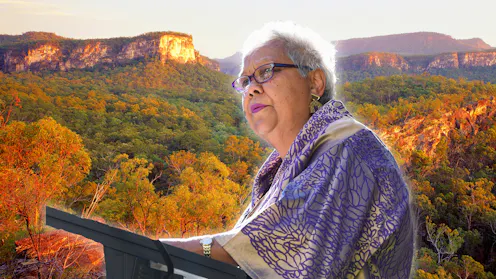
Every year, Jackie Huggins returns to Carnarvorn Gorge – her mother’s Country, and one of six sites selected for the deep history digital project, Marking Country.
Books + Ideas – Articles, Analysis, Comment
Displaying 451 - 475 of 1658 articles
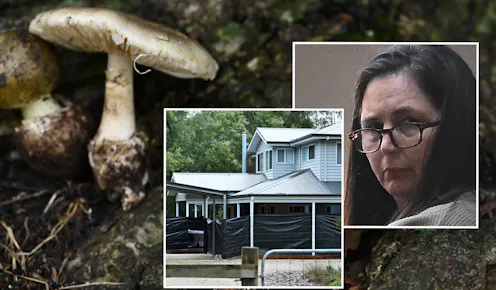
Books on the mushroom trial are being raced to print. Big-name authors were seen in the courtroom. But the best true-crime books can be less about speed than insight.
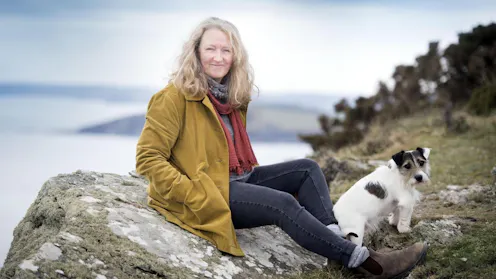
Allegations of untruth over The Salt Path raise questions of what we expect from truth in memoir, in this age of ‘fake news’. What is the contract with the reader?
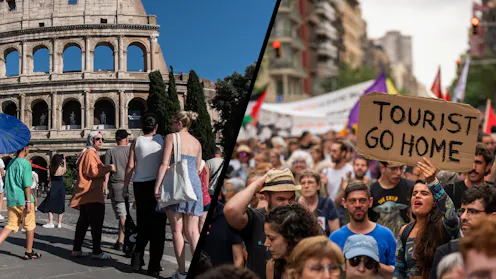
Anti-tourism protests are erupting around the world, from Mexico City riots to coordinated community protests in Europe. The clash of holidayers and locals is age-old.
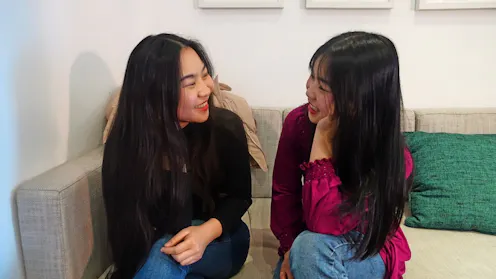
Barbara Demick’s report on the links between China’s stolen children and international adoptions started a life-changing chain of extraordinary events.
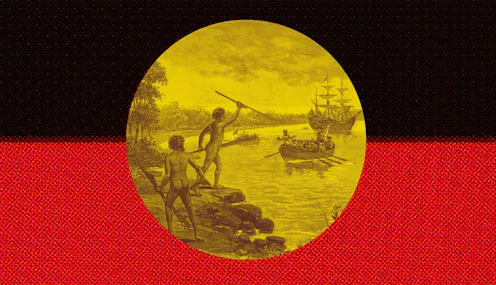
Australian military history is still unsure how to represent the frontier wars. Uprising contests most histories, describing a coordinated Aboriginal military front.
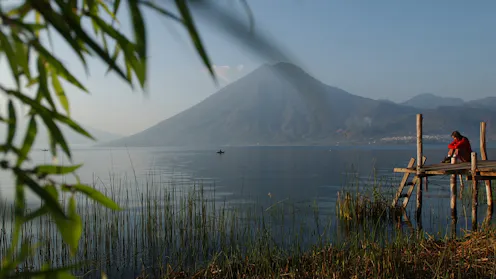
In The Sun Was Electric Light, Ruth arrives at Lake Atitlán a loner-searcher. But the people she meets are crucial to her struggles with the question of how to live.
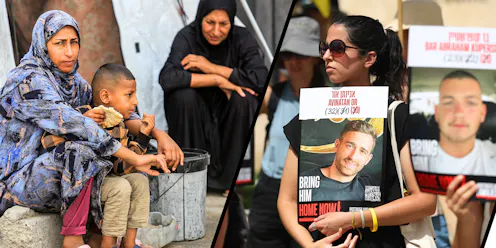
Survivor testimonies hope for understanding, empathy – and change. From the Yoorrook Commission to Gaza and Israel, they build a case for justice in a shared future.
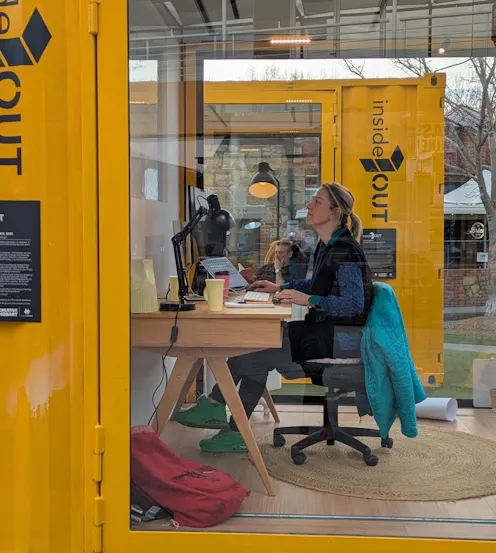
The WritersBLOCK / ReadersBLOCK project in Hobart is a reminder of the importance of stories, and the benefits of making time to slow down and enjoy them.
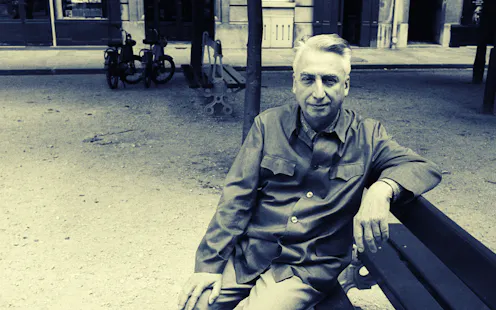
Roland Barthes’ notion that the author is dead has been incredibly influential, though it was not as original or revolutionary as it seemed.
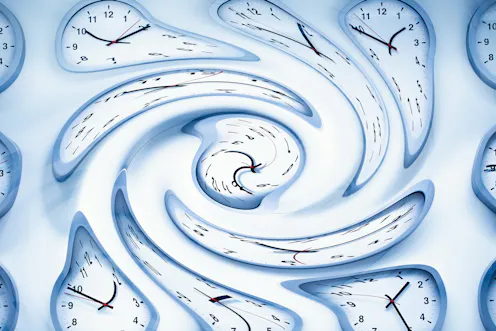
Memories are constantly revised in acts of recollection. They are moulded by new information, beliefs and emotions, and other people’s versions of events.
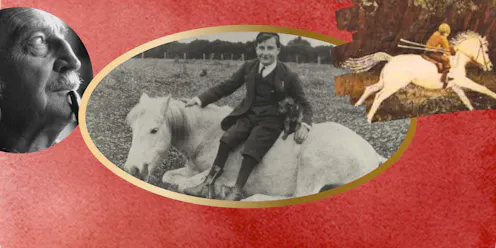
Polio is in the news, with vaccination under threat and recent outbreaks. This makes Alan Marshall’s classic disability memoir more relevant than ever.
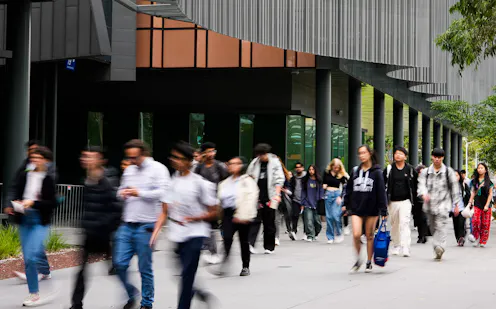
Our universities require a major overhaul. Reform is possible, but only if a government is prepared to take up the challenge.
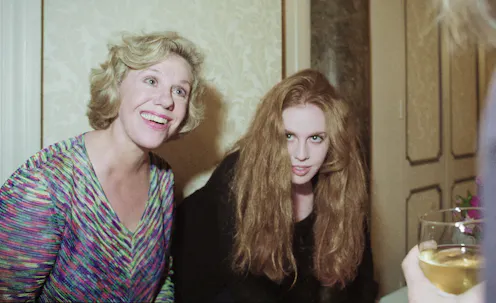
Don’t, whatever you do, parent like Erica Jong. Her daughter’s memoir of the ‘worst year’ of her life is fiercely loving – but she’s horrified at how she was raised.
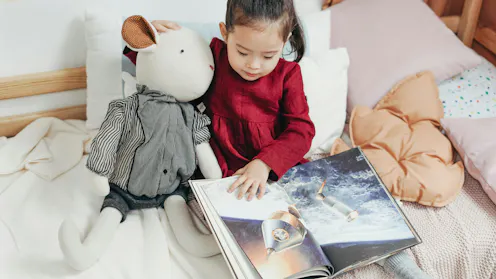
In Alice Pung’s family, love was imbued with anxiety and fear. But in books, adults had reasoned discussions and talked to children as if their thoughts mattered.
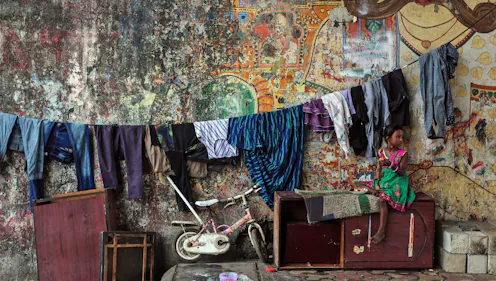
Raeden Richardson’s surreal, gritty novel both dazzles and overwhelms, while showing empathy for the marginalised and their stories.
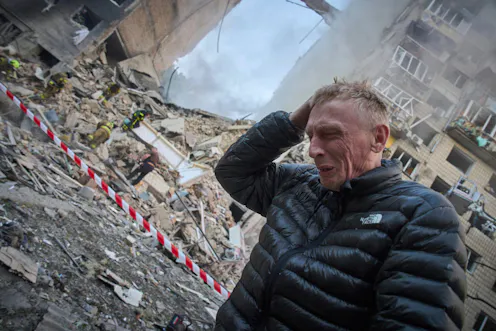
Drones, AI-targeting systems and the jostle for power in space raise a host of ethical questions about how, when, where and why we should fight.
Food, religious rituals, gender relations … Ibn Battuta described them all in his travelogue, which covered the medieval Islamic world, India, China and beyond.
AI slop means faster and cheaper content, and the technical and financial logic of online platforms creates a race to the bottom.
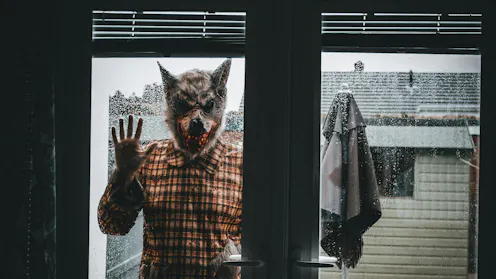
Take a world tour of monsters, from vampires in Serbia and giants in Cornwall to festivals of dragons in Bavaria and werewolves in Louisiana.
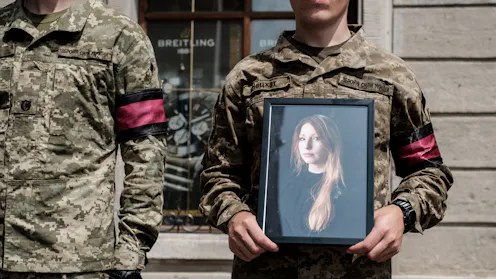
Victoria Amelina’s unfinished notebook was salvaged after she was killed by a missile. From a bunker, meanwhile, John Lyons reports on the war.
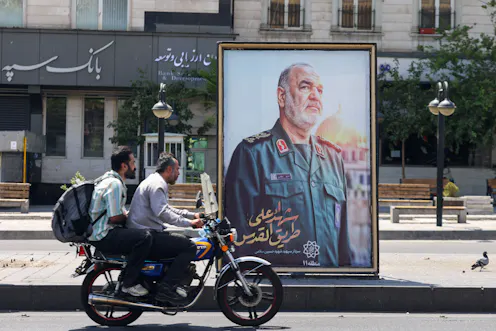
Hessom Razavi’s family fled to Australia from Iran in the 1980s to escape persecution. As he watches events unfold, he speaks to relatives still there and reflects on Iran’s fate.
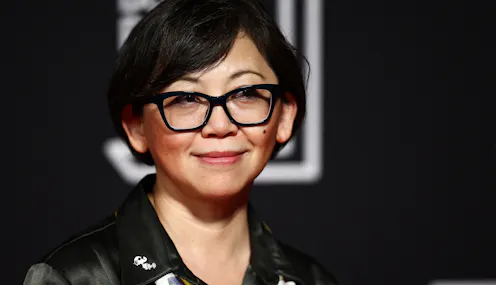
‘If an abyss is where I shall be for the rest of my life’, writes Yiyun Li, ‘the abyss is my habitat.’ Her book is a major contribution to literature on mourning.

The Name of the Sister begins in classic genre territory: a young woman is found stumbling down an outback road, without the power of speech and without an apparent identity.
Writing before the advent of the smartphone, a French philosopher foresaw a world where computers would shape our behaviour, controlling much of our lives.