
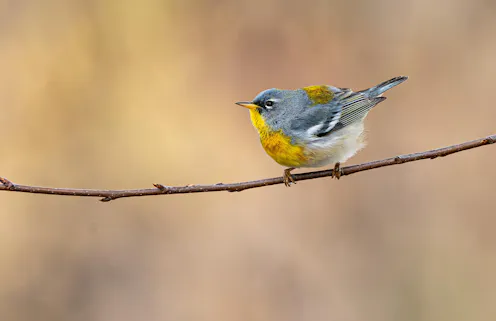
Males aren’t the only angry birds defending their territory. A clever test finds which songbirds step up to fight off intruders and the role monogamy plays.
Environment + Energy – Articles, Analysis, Opinion
Displaying 176 - 200 of 3159 articles
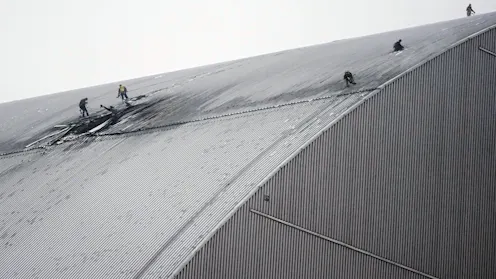
Radiation risk can be measured, understood and controlled in ways that keep people safe, including from contaminated foods.
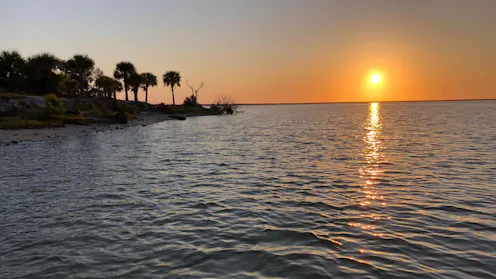
After years of collapse, seagrass in Florida’s Mosquito Lagoon rebounded unexpectedly following 2022 hurricanes, offering new insight into ecosystem resilience.
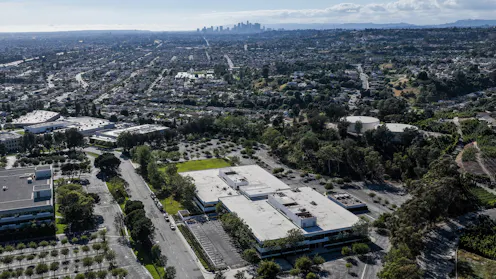
Two engineers explain how data center design, construction and operation can help the facilities support their communities.
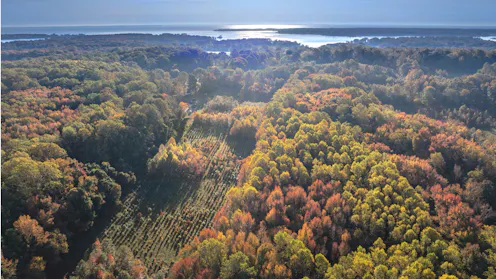
The tree mix matters. Near Chesapeake Bay, scientists have been experimenting with mini-forests for over a decade. The surprising results show how biodiversity pays off.
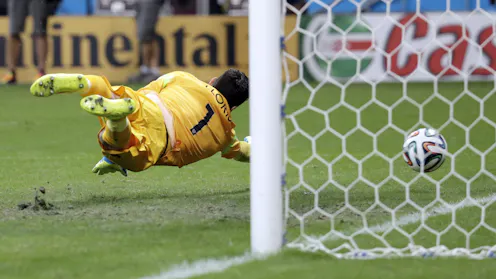
The new playing fields are rolling out in stadiums from Mexico to Canada. Creating the perfect pitch in very different climates requires the right grasses and some creative tricks.
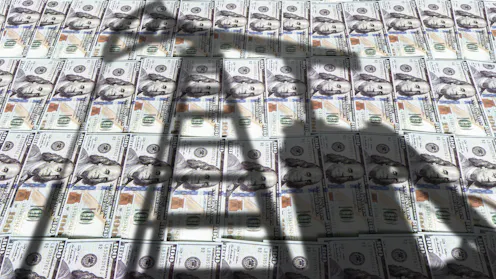
Who gets all that cash, and what do they do with it?
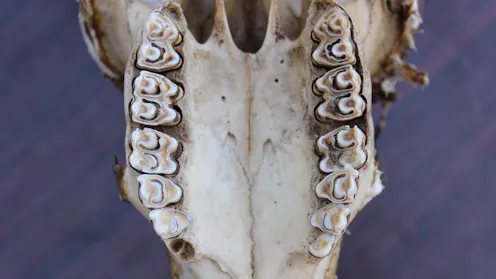
Through fossilized tooth enamel, scientists are reconstructing the diets and landscapes that existed millions of years ago. We really are what we eat.
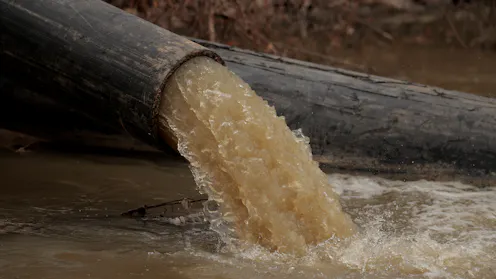
The largest sewage spill in US history wasn’t the first, and it won’t be the last.
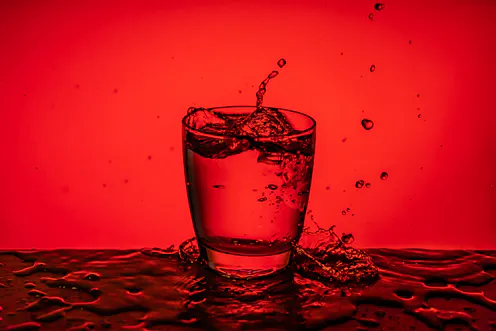
As sea levels rise, increasing amounts of salt water are leaking into freshwater supplies worldwide.
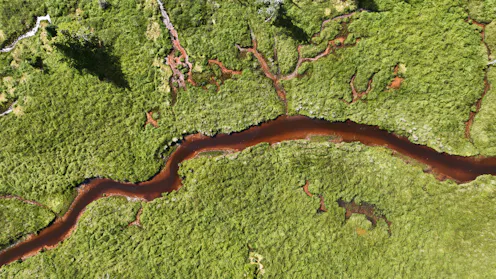
People who are trying to fish – or manage the ecosystems – in darker waters may need to adapt to different water conditions.

Households once confident they could afford energy costs are at risk of falling behind on their bills and are making hard trade-offs to keep the lights on.
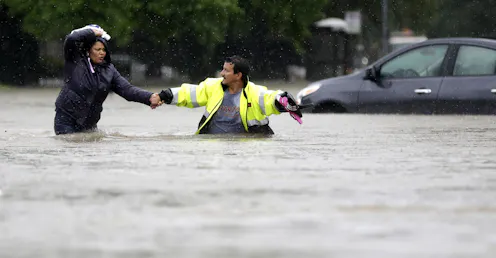
Computer models of the storm hitting different areas show how much damage is possible, yet flood maps still focus on where flooding is most likely instead.
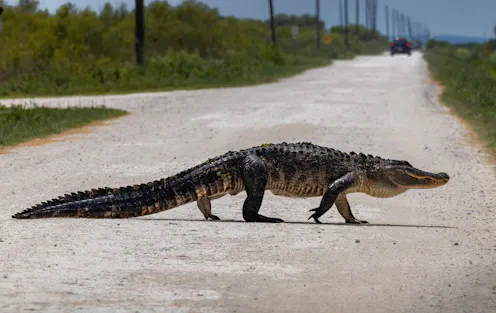
A new mapping tool allows local governments, conservation groups and landowners to understand how their land-use decisions affect wildlife and natural resources.
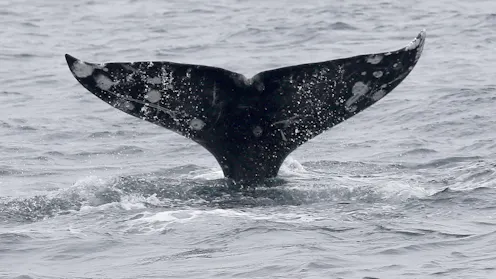
In the past, the gray whale population recovered fairly quickly. But data on baby whales show that isn’t happening, and a new study finds an alarmingly high mortality rate.
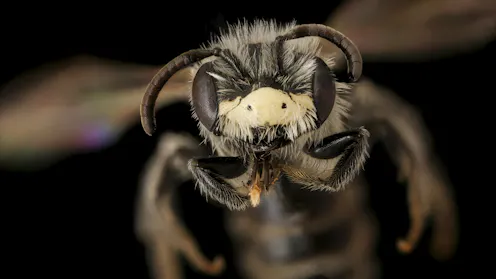
The accusations you might have heard about nonnative honey bees aren’t backed up by evidence. In fact, there are plenty of ways bees make the world a better place.
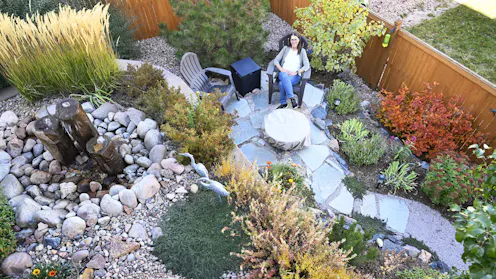
Cities have the best chance of reducing water use when people actively participate in water conservation, but even that might not be enough in the future.
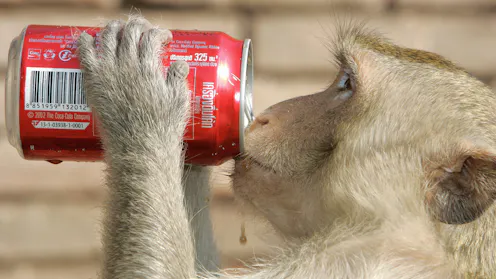
Cities breed smart wildlife because it takes savvy to survive there.
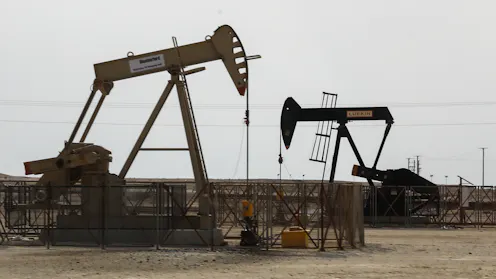
For sheer abundance and ease of production of oil and natural gas, it simply doesn’t get any better than the Persian Gulf region.
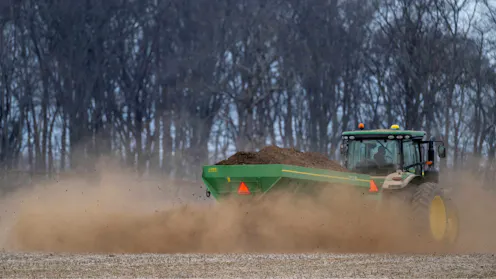
Fertilizer is more expensive and in shorter supply. Without the right amounts of fertilizer at specific times, yields drop, food prices increase and food shortages result.
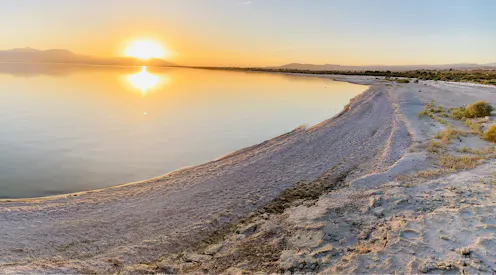
A new study reveals how the lake bed’s toxic dust impairs lung development in children living nearby.
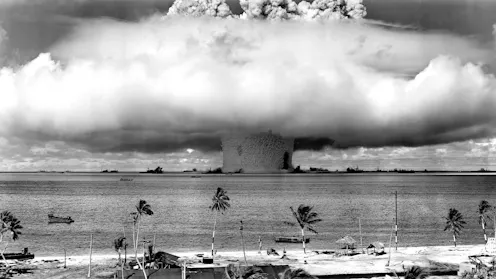
For decades, the US seriously pursued the idea of ‘peaceful nuclear explosions.’
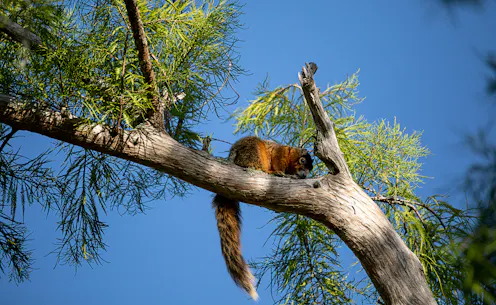
The Big Cypress fox squirrel is losing its habitat to urban and suburban development. But a few design changes could help to save this and other species.
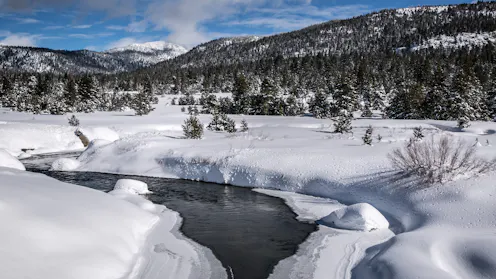
Streamflows the West relies on for drinking water and farms used to follow a fairly predictable arc as winter snow melted. Rising temperatures are changing that.
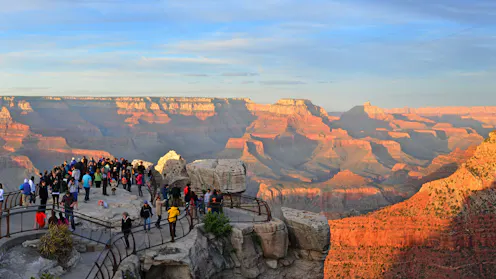
Being in public parks and natural environments with other visitors is a powerful opportunity to enhance enjoyment rather than detract from it.