
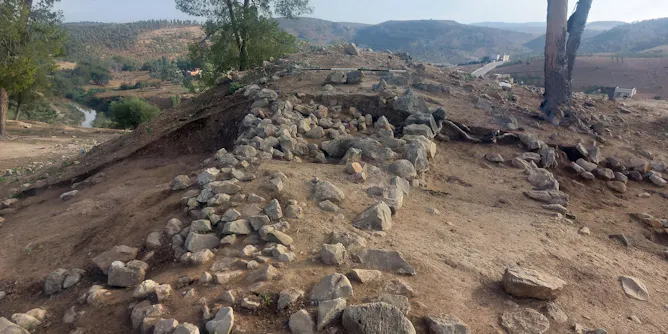
Communities in the north-west Maghreb were able to coordinate large construction projects thousands of years ago.
Articles on African history + heritage
Displaying 1 - 20 of 86 articles
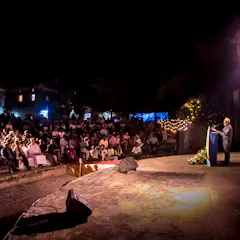
In these spaces, lifelong relationships can be formed through the love of cinema.
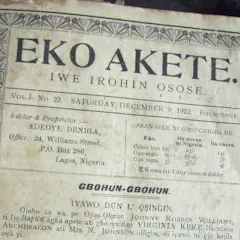
English was imposed as Nigeria’s official language, but the British had no way of controlling what people did with it.

Zed Beats artists aren’t known for political songs, but they’ve become so popular that they’re used to mobilise voters during elections.
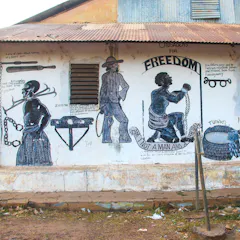
Recognising African agency in colonised territories allows us to rethink borders and revise history.

Ten pivotal moments that tell the story of how African football transformed itself.
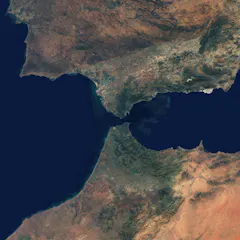
New research shows northwest African communities actively shaped connections and exchange between many cultures.
Unusually for his generation, he never scrambled to gain positions of power after independence.

New research indicates that collective forms of governance were more likely.
She was a trusted mentor to young militants whose 1976 uprising shaped the country forever.
The song was written hot, as the news of the massacre reached the world. Its creators spanned the continent.
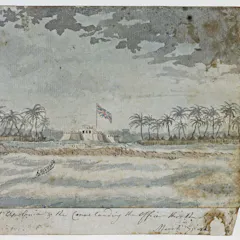
Why did Appolonia trade so few enslaved people? Short answer: unique economy and sacred beliefs.

Because iron could be used in tools, it was a technical and social revolution, especially for agriculture.

The medium’s power to shape public opinion and promote social cohesion remains significant.
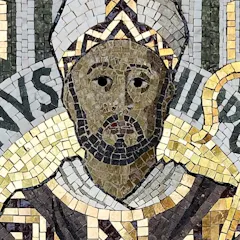
Dialogue was at the heart of how Saint Augustine practised both philosophy and theology.
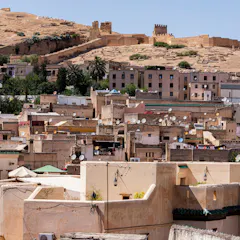
City transformation is increasingly being shaped by a complex interaction between the past and the future.

A new book explores the country’s history, from world famous rock art to colonial genocide and the struggle for freedom.
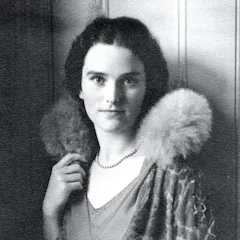
A beautifully written book that shows why nostalgia is not to be trusted.
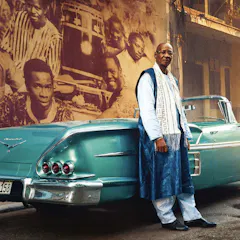
One of ten young Malian musicians chosen to study in Cuba, he would pioneer his own brand of African salsa.
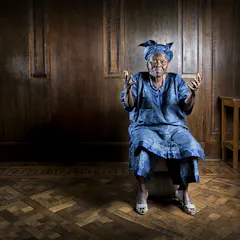
Oluwole faced a double challenge: a woman in philosophy and an African, confronting both sexism and Eurocentric bias.
Top contributors
-

Assistant Professor, Harvard University
-
Associate of the Gordon Institute for Business Science, University of Pretoria
-
Senior Researcher, Institute of Heritage Science, National Research Council (CNR)
-
Disney Professor of Archaeology, Director, McDonald Institute for Archaeological Research, University of Cambridge
-
Extraordinary Professor, Department of Political Sciences, University of Pretoria
-
Research Associate, McDonald Institute for Archaeological Research, University of Cambridge
-
Professor and Chair of Allied Health Studies, Stephen F. Austin State University
-
Univertsity Assistant (Postdoc), Universität Wien; University of the Free State
-
Research Fellow, History Department, Universität Trier
-
Research Associate, African Centre for Coastal Palaeoscience, Nelson Mandela University
-
Associate Lecturer at the National School of Architecture and Urbanism, Université de Carthage
-
Assistant Professor, Department of History, West Virginia University
-
Professor, African American and African Studies, University of Virginia
-
Academic Fellow & Lecturer in Architecture and Cultural Heritage, Nottingham Trent University
-
Lecturer at the National School of Architecture and Urbanism, Université de Carthage