
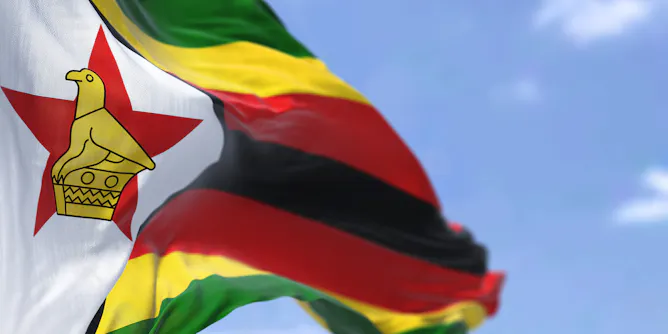
Sithole was just one of tens of thousands of individuals who died during Zimbabwe’s independence struggle.
Articles on Rhodesia
Displaying all articles
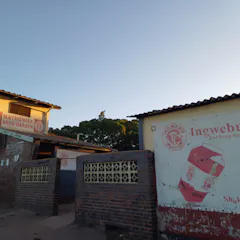
Municipal drinking amenities were built to control and profit from African drinking. In Bulawayo, the quality of the beer became a colonial obsession.
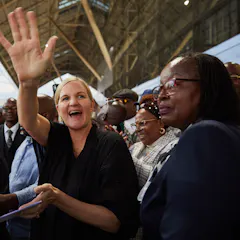
Kirsty Coventry’s rise to political importance as a white woman in a black majority Zimbabwe shows how sport is able to reshape race and power.
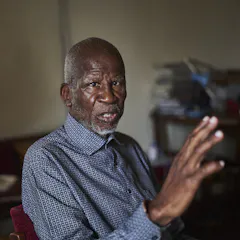
A public figure who appeared often on TV and radio, Pathisa Nyathi celebrated the history and culture of Zimbabwe’s marginalised Ndebele people.

A Colonial Boy is a welcome book for Eppel scholars, but some readers may be put off by its use of literary sketches.
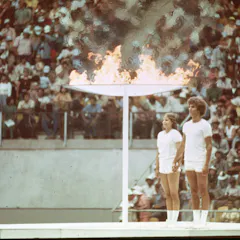
African states won new power when they demanded New Zealand withdraw because of their rugby tour of apartheid South Africa.
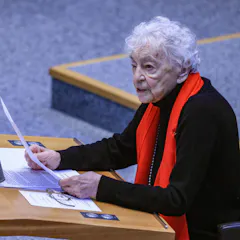
Weiss witnessed atrocities in Germany and South Africa and railed against them, becoming a towering figure as a writer and poet.
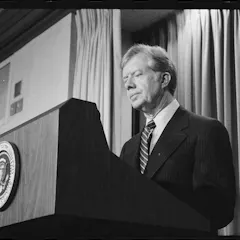
Carter’s work in Zimbabwe forms a significant and under appreciated part of his legacy
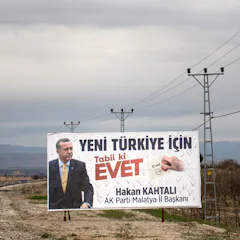
Turkey vs. Türkiye? When a country changes its name or requests changes to the spelling of its name, there are almost always political motives.

She paved the way for women to play the mbira – and then took the ancient tradition global.

How Harare has dealt with its urban canine citizens over the years following independence reflects the competing visions of a modern city.

Nine immigrants founded a cricket club in 1934 in Rhodesia. The Sunrise club survives to this day, part of Zimbabwe’s national culture.

Kaunda will be remembered as a giant of 20th century African nationalism – a leader who gave refuge to revolutionary movements, a relatively benign autocrat and an international diplomat.
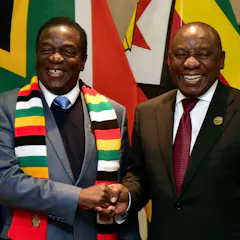
The time is long past that Pretoria’s admonitions of bad behaviour by Zimbabwe’s leaders are backed by a credible threat of sanction and punishment.
Only psychologists could discern how Dumiso Dabengwa maintained his legendary composure, a necessary trait for an intelligence supremo.

The credibility of Zimbabwe’s elections will depend on issues like political violence and media freedom.
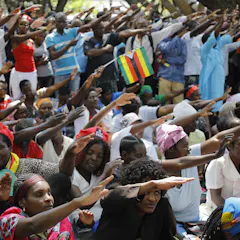
The single greatest failure of current punditry is the refusal to recognise that context matters. A one-size-fits-all approach to solving Zimbabwe’s complex set of problems simply won’t help.

Rhodesia’s white supremacists appealed to the white electorate by taking a stand against African liberation. Similarly, Donald Trump appealed to white Americans who feel overwhelmed by globalisation.

Outsiders might not understand how someone who led his country’s downfall from breadbasket to basket case has remained in the presidency for so many years
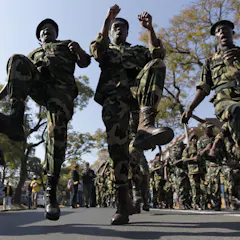
Armed struggle played a subsidiary role in the ANC’s fight against apartheid in South Africa. The tactics that were most decisive in securing freedom were those that didn’t involve organised violence.
Top contributors
-

Research Associate in the Department of Historical and Heritage Studies, University of Pretoria
-
Senior Lecturer, Stellenbosch University
-
Senior Lecturer at the School of Journalism, Media and Cultural Studies, Cardiff University
-
Post-doctoral research fellow in the International Studies Group, University of the Free State
-
Professor of Linguistics and English, Florida International University
-
Professor of Sociology, University of the Witwatersrand
-
Professeur ordinaire à l’université de Lausanne (Unil), chercheur au Centre d’histoire internationale et d’études politiques de la mondialisation (Unil), co-directeur du Groupe de recherche Achac., Université de Lausanne
-
Research Associate, Dept of Anthropology & Development Studies and Fellow, Clare Hall, University of Cambridge, University of Johannesburg
-
Lecturer, Culture and Media department, Birkbeck, University of London
-
Senior Research Fellow, Centre for the Advancement of Scholarship, University of Pretoria., University of Pretoria
-
Chercheuse postdoctorale, Université de Lausanne, Section d'histoire, Université de Lausanne
-
Lecturer in Development Studies, University of Johannesburg
-
Adjunct Lecturer, Georgetown University
-
Professor of History, Stellenbosch University
-
Postdoctoral Research Fellow, Department of English Literary Studies, University of Cape Town