
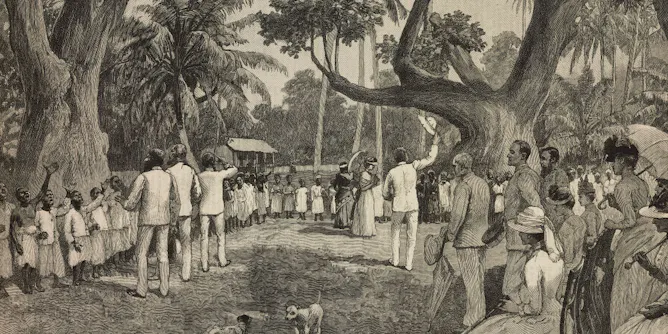
These medical volunteers have been closely associated with several kinds of non-human actors, whose behaviour is worth examining in more detail.
Articles on Zambia
Displaying 101 - 120 of 186 articles
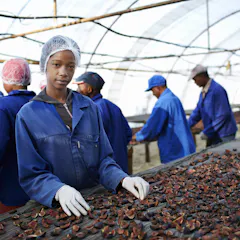
Young people typically see farming playing some role in their future as they prefer to remain in their rural homes, although few respondents want only to farm.
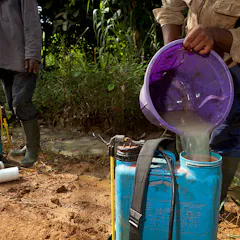
Small, practical messaging campaigns on pesticide toxicity can lead farmers to choose safer, less-toxic pesticides.
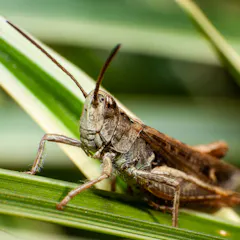
Locust outbreaks are driven by unusual climatic conditions.
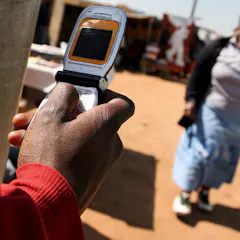
The full benefits of digital democracy are being thwarted by digital exclusion that is driven by the high cost of data.
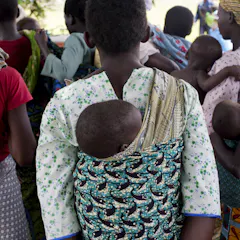
The use of antiretroviral therapy among pregnant and breastfeeding women in Zambia has increased but adherence is a problem.

Study finds that Victoria Falls, a nature-based tourism resort town, is a significant contributor to carbon emissions throughout the tourism value chain in the area.
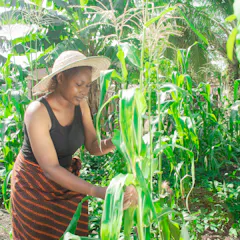
Africa is far from having an ageing farming population. What is missing is a critical mass of skilled, young farmers with access to finance who could drive productivity in farming.

Road and rail construction is booming in sub-Saharan Africa, but the pandemic has brought a welcome pause for reflection.

How Zambian farmers won the right to pursue claims in UK courts – and why UK polluters should be worried

Africa is facing a profound crisis that could set its development back a generation. It needs a solution to its debt problems that doesn’t cripple countries.
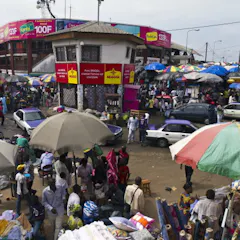
Downgrades have a devastating effect on economies that are already strained. The decision to downgrade during a crisis like the coronavirus pandemic must be challenged.

African academics draw up a reading list that speaks to the vibrancy of contemporary as well as older African literature.
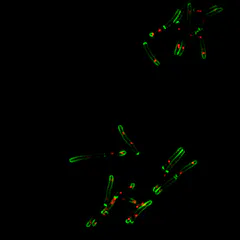
Scientists need greater understanding of the bacterium’s basic biology, as well as more about how it is spread from one individual to the next.
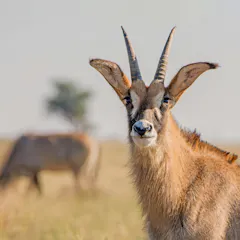
Kenya can save its roan population if it re-stocks from other countries, eliminates poaching and improves their habitat.

By pushing their usually valid complaints onto the streets and the courts, opposition leaders deny governments the popular goodwill and international credibility they need to govern effectively.
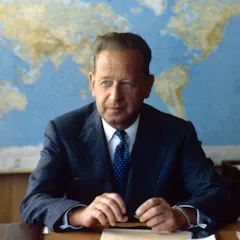
Does South Africa have skeletons in the closet over the death of the UN Secretary-General?
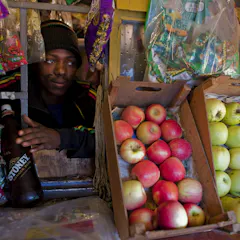
By better understanding the politics and governance of African cities and variations across cities, we can identify feasible opportunities to improve informal traders’ livelihoods.
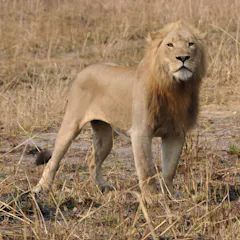
Male lions are responsible for the movement of genes between prides. New research confirmed that the genes are traveling long distances – even though no one has been spotting the lions on the journey.
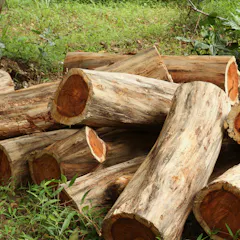
CITES’ decision seeks to increase levels of monitoring so that we can be more and better informed about the illegal trade of Mukula and over-harvesting.
Top contributors
-

Professor of World Politics, SOAS, University of London
-
Professor of Democracy, University of Birmingham
-
Professor of Economics, Centre for Competition, Regulation & Economic Development, UJ, and at SOAS University of London; advisor Shamba Centre for Food & Climate, University of Johannesburg
-
Professor/Senior Research Fellow, Centre for Advancement of Scholarship, University of Pretoria
-
Associate professor, University of Gothenburg
-
Extraordinary Professor, Department of Political Sciences, University of Pretoria
-
Researcher at Centre for Competition, Regulation and Economic Development, University of Johannesburg
-
Senior Fellow, Department of Agricultural Economics, Stellenbosch University
-
Researcher, SAMRC/Centre for Health Economics and Decision Science- PRICELESS SA, University of the Witwatersrand
-
Professor in Residence of Global Health, Marquette University
-
Professor and Programme Director, SA MRC Centre for Health Economics and Decision Science - PRICELESS SA (Priority Cost Effective Lessons in Systems Strengthening South Africa), University of the Witwatersrand
-
Economist at Centre for Competition, Regulation and Economic Development, University of Johannesburg
-
MSU Foundation Professor, Agricultural, Food and Resource Economics, Michigan State University
-
Postdoctoral fellow, Johns Hopkins University
-
PhD Research Fellow – Finance, University of Greater Manchester