
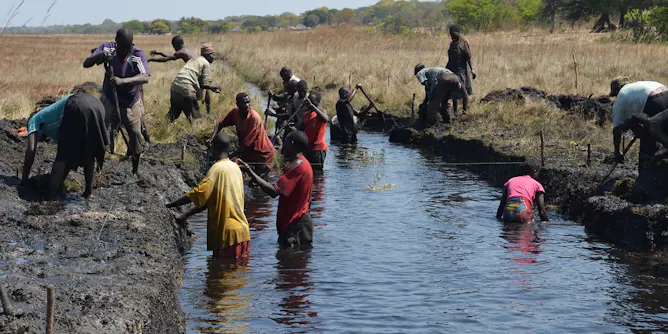
Zambia has progressively incorporated green-based policy interventions since the 1960s.
Articles on Zambia
Displaying 61 - 80 of 186 articles
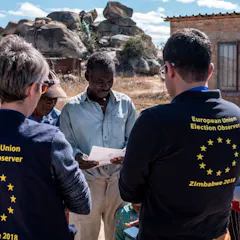
Voters speak favourably about the potential of observation to improve overall electoral quality and transparency.
The findings show that Zambian agricultural policies do reduce headcount poverty and inequality.

Research finds that the threat of being sentenced to death has no bearing on how people contemplate violent crime.

The coming copper boom presents Zambia with an extraordinary opportunity – not only to enable mining profits, but to power inclusive growth.

The Covid-19 pandemic has the potential to make tourism more sustainable in Africa, improving the lives of local communities rather than just catering to international visitors.

Tazara upgrade requires huge capital but new tracks could be incompatible with the existing Southern Africa rails.

In the Copperbelt the category of ‘expatriate’ recreated a dual wage structure that still persists.
Used clothes are being repurposed but with fresh fashionable spins.
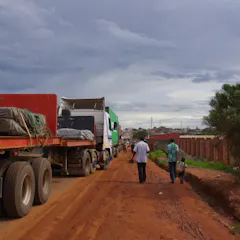
Producers in Zambia should be getting more for their crops, and buyers in East Africa should be paying less, alleviating food price spikes.

The Wafcon final on Saturday is proof of the development of the women’s game on the continent - and of mining star players abroad.

The decolonisation process was to take place rapidly during the reign of Elizabeth II.

We expected to find that screening everybody for TB would identify individuals not yet diagnosed, and treating them quickly would reduce the prevalence of TB in the community.
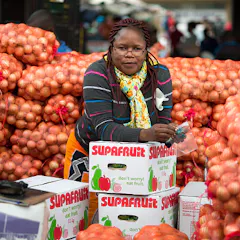
Monitoring and enforcing competition rules is essential to level the playing field for fairer food markets.

CC BY-NC-ND11.7 MB (download)
As humans and wildlife come into closer contact, it is crucial to ensure that there's a relationship that benefits both people and animals.

The majority of planners believe that land is captured with impunity by powerful interest groups in Zambia and South Africa.

The herbicide revolution reduces the availability of edible weeds, which may undermine food and nutrition security.
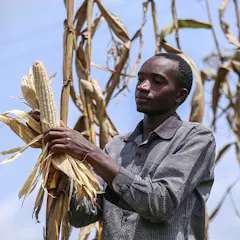
Stricter measures had major impacts on farmers’ livelihoods and food security.

African countries, rich in resources, easily fall prey to aggressive tax planning and tax evasion facilitated by offshore companies.

Saponins from plants can destroy viruses and other microorganisms in the same way commercial soaps and detergents do.
Top contributors
-

Professor of World Politics, SOAS, University of London
-
Professor of Democracy, University of Birmingham
-
Professor of Economics, Centre for Competition, Regulation & Economic Development, UJ, and at SOAS University of London; advisor Shamba Centre for Food & Climate, University of Johannesburg
-
Professor/Senior Research Fellow, Centre for Advancement of Scholarship, University of Pretoria
-
Associate professor, University of Gothenburg
-
Extraordinary Professor, Department of Political Sciences, University of Pretoria
-
Researcher at Centre for Competition, Regulation and Economic Development, University of Johannesburg
-
Senior Fellow, Department of Agricultural Economics, Stellenbosch University
-
Researcher, SAMRC/Centre for Health Economics and Decision Science- PRICELESS SA, University of the Witwatersrand
-
Professor in Residence of Global Health, Marquette University
-
Professor and Programme Director, SA MRC Centre for Health Economics and Decision Science - PRICELESS SA (Priority Cost Effective Lessons in Systems Strengthening South Africa), University of the Witwatersrand
-
Economist at Centre for Competition, Regulation and Economic Development, University of Johannesburg
-
MSU Foundation Professor, Agricultural, Food and Resource Economics, Michigan State University
-
Postdoctoral fellow, Johns Hopkins University
-
PhD Research Fellow – Finance, University of Greater Manchester