
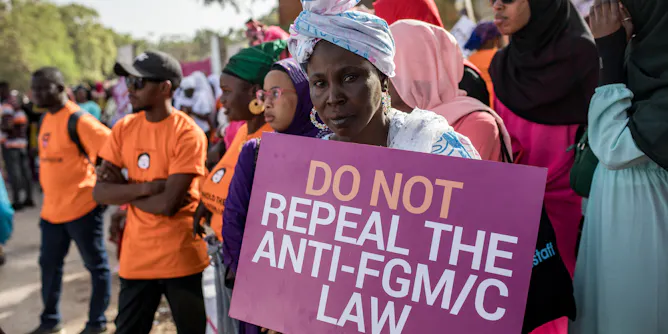
The potential repeal of the ban on female genital mutilation poses a threat to the well-being of girls in The Gambia.
Articles on Yahya Jammeh
Displaying 1 - 20 of 23 articles
Temporary measures such as legislative gender quotas can increase women’s access to political participation.
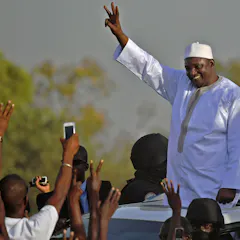
Adama Barrow’s re-election in The Gambia was not unexpected. It, however, leaves the opposition with an uncertain path forward and signals the shrinking status of his predecessor, Yahya Jammeh.
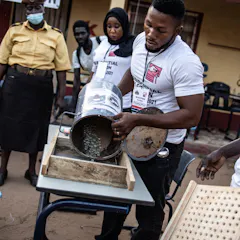
The Gambia has a unique system of voting that does not involve the use of paper ballots in casting votes – instead it uses marbles.
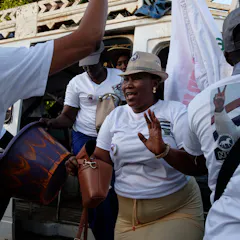
The 2021 presidential election in The Gambia is expected to be peaceful and losing candidates are likely to accept the outcome.
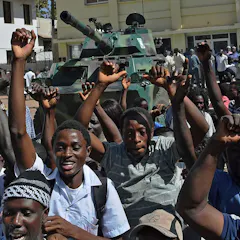
The rejection of the bill on its merits means that Gambians will not get to see this version of the 2020 draft constitution in a future referendum.
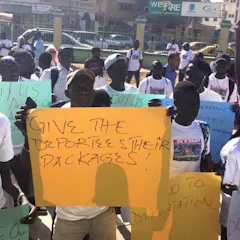
The Gambia’s agreement with the European Union to return immigrants to the country is causing the government problems at home.
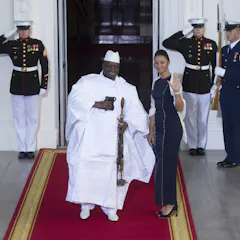
At least in the short term, it looks unlikely that Jammeh will face either his victims or consequences for human rights abuses
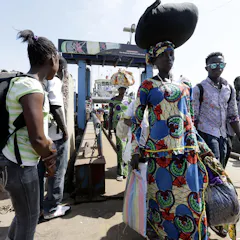
Criminal trials await those found responsible for the most serious crimes in The Gambia.
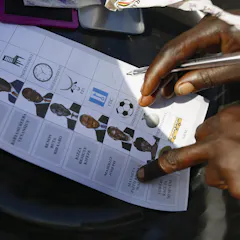
Elections are easy to rig, and they give authoritarian leaders a veneer of legitimacy they badly need.
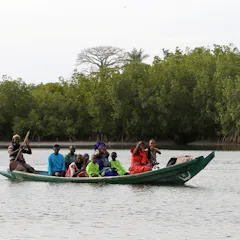
Gambia became a symbol for democratic change earlier this year when former dictator Yahya Jammeh was peacefully ousted through the ballot box. Now Europe wants its Gambian immigrants to return home.
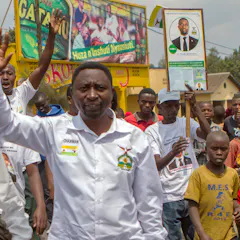
With frequent irregularities, it’s easy to become cynical about elections in Africa. But polls are an essential component of the continent’s growing democracy.
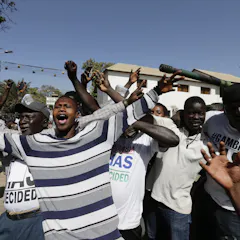
The adoption of the African Charter on Democracy, Elections and Governance five years ago raised hopes for a new democratic Africa. But its ideals remain elusive for many parts of the continent.
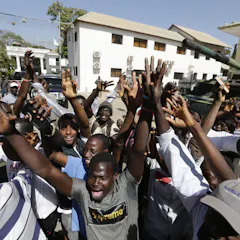
The end of Yahya Jammeh should be celebrated, but his democratic neighbours had the strongest of hands to play.
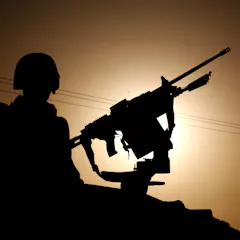
Regional power Ecowas, which has just seen off yet another dictator in Yahya Jammeh, started off with a tame agenda 42 years ago. But it was soon shaped by civil wars, military coups and despots
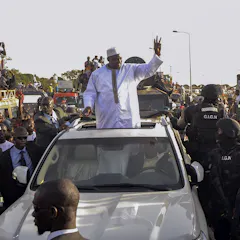
Although Ecowas and the AU made sure that Yahya Jammeh stepped down after losing the elections in The Gambia, caution is warranted in assuming this heralds a trend against African dictatorships.
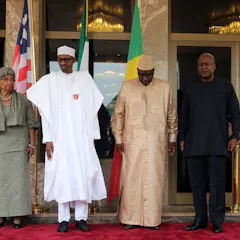
SADC’s credibility is at stake. Its lack of political will in acting decisively against despots is at odds with the African Union’s goal of promoting legitimate governance on the continent.
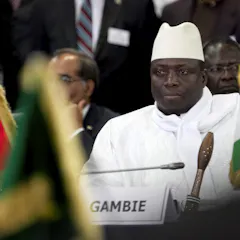
Yahya Jammeh will certainly be removed if West Africa decides to use force. But that will come at a heavy price for The Gambia, the neighbouring states and the world as a whole

The Gambian election dispute is not the first that ECOWAS has confronted. Côte d’Ivoire’s 2010 presidential election is a case in point. There it resorted to military action to enforce the outcome.
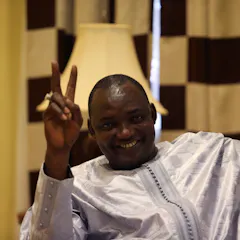
There is a real sense of optimism in The Gambia: for the first time since Yahya Jammeh came to power, there has been open dissent of the regime and a feeling of ownership of the country’s future.
Top contributors
-

Director of Programs, Human Rights Center; Research Professor of Law, University of Dayton School of Law, University of Dayton
-
Lecturer, Political Science Department, University of Ghana
-
Senior researcher, Arnold Bergstraesser Institute
-
Lecturer, Nottingham Trent University
-
Professor of World Politics, SOAS, University of London
-
Director, International Development Department, University of Birmingham
-
Director of the Leaders of Africa Institute and Research Affiliate with Davidson College, Davidson College
-
Professor of Law, Conflict and Global Development, University of Reading
-
Extraordinary Professor, Department of Political Sciences, University of Pretoria
-
Steinberg Postdoctoral Fellow in International Migration Law, Centre for Human Rights and Legal Pluralism, Faculty of Law, McGill University
-
Associate Professor of International Studies, University of Nottingham
-
Research fellow, Institute on Comparative Regional Integration Studies (UNU-CRIS), United Nations University
-
Assistant Professor, Global Affairs Program, George Mason University
-
Researcher, University of Osnabrueck, University of Basel
-
Visiting professor, University of Chester