
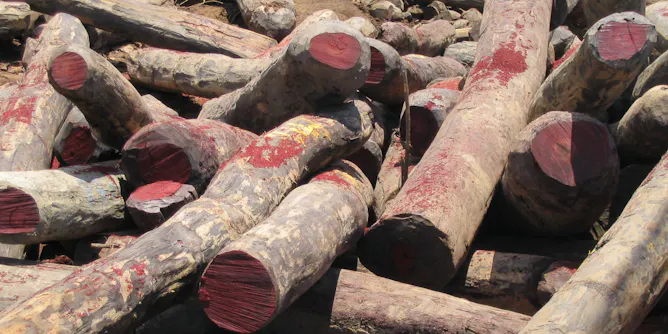
We highlight ways to celebrate Wounaan wisdom, joy, beauty and resistance while discussing centuries of taking from Indigenous communities.
Articles on Wood
Displaying 1 - 20 of 37 articles
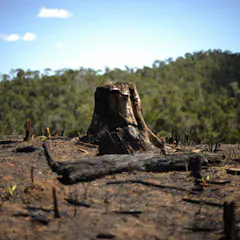
In the past 11 years, we’ve lost roughly 300 million hectares of forest. Three ecologists explain why our current conservation strategies aren’t working.

None of the analyzed bags of lump charcoal gave buyers as much effective grilling fuel as their labels promised.

When most Americans imagine a home, they picture a wood-framed house. But in an era of high housing costs and extreme weather events, precast concrete offers a mix of durability and efficiency.

New research warns the UK must grow more of its own wood to meet climate targets.

Technological solutions and environmental incentives rarely recognise that the way we heat our homes is often a way of life.

Organic soils, one of the pillars of Québec’s food self-sufficiency, could disappear within 50 years. Fortunately, the application of straw or wood chips could regenerate these soils.

More architects are using wood construction for large buildings. A resource economist argues any increase in demand for wood will push commercial growers to better manage forests.
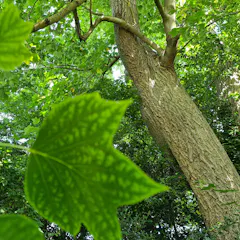
Tulip trees were long renowned for their carbon storage. Their unique wood may be responsible.
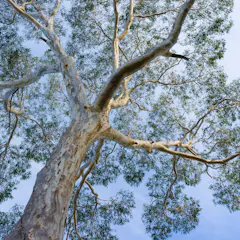
Most of us just take it for granted. But bark is one of the most complex parts of a tree and has many different jobs to do.
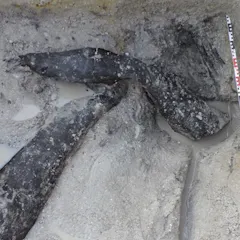
Experts speculated that very early humans worked wood, but previously didn’t have the evidence.
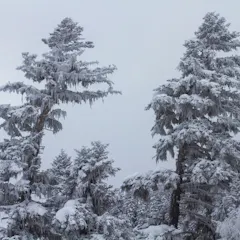
A longer growing season for trees, due to global warming, does not necessarily lead to an increase in wood production.
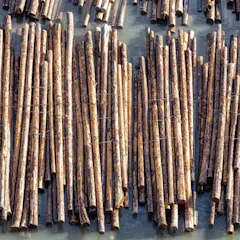
Logging over the past two centuries has had a major impact on Québec’s forests. The traces it has left will guide the adoption of sustainable forest management techniques.

Togo can take bold actions to reduce climate change emissions and also improve the health of its citizens.
Women’s relationship to the environment is shaped by their social position.

The early symptoms of carbon monoxide poisoning include headaches or dizziness, breathlessness, nausea, tiredness, chest and stomach pains and visual problems.

Cooking with wood and charcoal can raise indoor air pollution to dangerous levels.

More than 100 world leaders have pledged to end the destruction of forests by 2030 as a way to slow climate change. That will require changing how the world produces four widely used commodities.
About 60% of Mexico’s forests are managed by local communities. A scholar who has studied the forests for 30 years explains how this system protects the forests and the people who oversee them.

Observations collected since the 1980s in the Amazon, Central Africa and Southeast Asia show we are not giving tropical forests enough time to recover after logging.
Top contributors
-

Research Fellow, Queensland University of Technology
-
Honorary Associate Professor, Forest Measurement and Management, Fenner School of Environment and Society, Australian National University
-
Professor, Southern Cross University
-
Environmental Biologist, Institute of Environmental Sciences, Jagiellonian University
-
Professor, Faculty of Environmental Sciences and Natural Resource Management, Wageningen University
-
Pinchot Professor of Forestry and Environmental Studies, Director of Global Institute of Sustainable Forestry, Yale University
-
Professor Emeritus of Global Change Biology and Terrestrial Systems Science, Oregon State University
-
Director, Queen's Institute for Energy and Environmental Policy, Queen's University, Ontario
-
Postdoctoral Associate, Pacific Northwest National Laboratory
-
Professor of Materials Science and Engineering, University of Bristol
-
Principal Scientist, Center for International Forestry Research – World Agroforestry (CIFOR-ICRAF)
-
Professor of Earth and Environment, Florida International University
-
Professor of Science Communication and Chemistry, University of Hull
-
Professeur d'écologie forestière, Université du Québec en Abitibi-Témiscamingue (UQAT)
-
Associate Professor, Department of Forest and Ecosystem Science, The University of Melbourne