
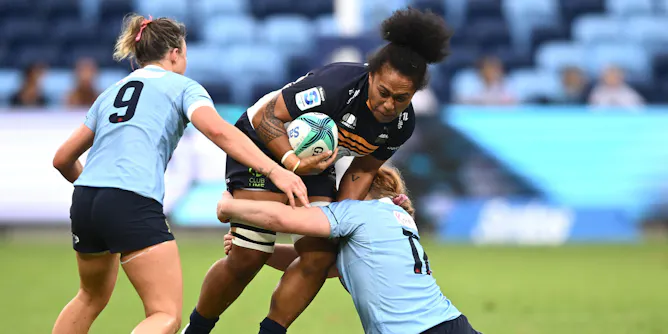
Despite the fact that there are similar injuries in men and women’s rugby, women should not be viewed merely as smaller versions of men.
Articles on Women's sport
Displaying 21 - 40 of 95 articles
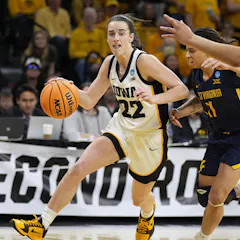
This year’s NCAA tournament might represent another high-water mark for women’s sport as new standards are set for ratings and even more pressure falls on the game’s superstars.

A trauma- and violence-informed approach calls for participants, coaches, managers and organizations to understand the effects of systemic, structural and interpersonal violence.

The nonconsensual kiss of team captain Jenni Hermoso has sparked a massive and instant rejection of machismo.
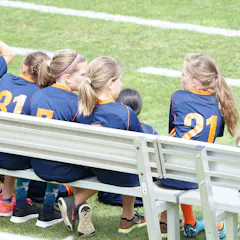
Modernising facilities can provide a short-term excitement, but it’s their management over the long term that will influence whether women and girls participate.
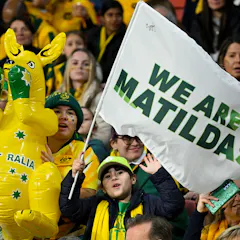
Fans of women’s sport around the world are rejecting traditional masculine norms of sports fandom, and developing a counter fan culture.
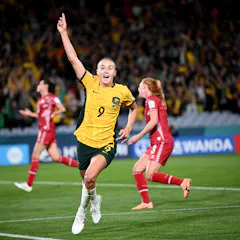
Whatever happens in the quarter final against France, in many ways the Matildas have already won before they even set foot on the pitch.
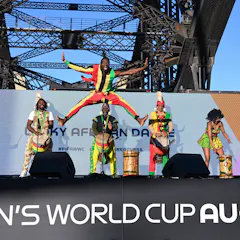
Fifa is facing a bumpy road to balancing money and moral aspects of growing the Women’s World Cup.
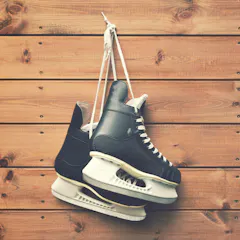
The development of a new league in 2024 offers the potential for a more unified, higher-profile, higher-paying and more sustainable structure for women’s hockey.
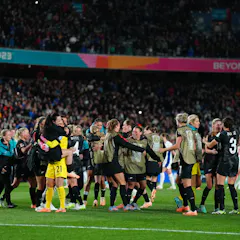
A sensational opening match win by New Zealand proves the doubters wrong and sets the stage for a milestone Women’s World Cup.
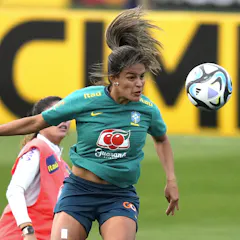
Many concussions in soccer occur when two players compete to head the ball. But extra technique training, modifying how we play the game, and more ‘red cards’ help cut the risk.
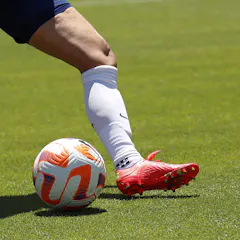
While positive change has been seen, especially surrounding this year’s Women’s World Cup, there is still much work to be done by organizations governing women’s professional sports.
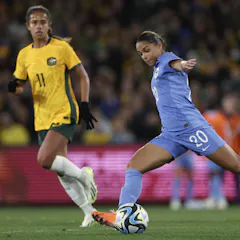
While the 2023 Women’s World Cup might be the best yet for women in terms of investments and viewership, there is still room for improvement for the 2027 World Cup.
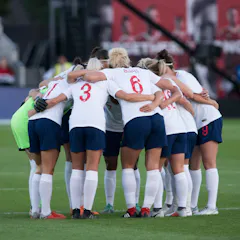
The review seeks to lay out ‘a plan to lift minimum standards in key areas’, acknowledging that there are imbalances across levels and clubs.
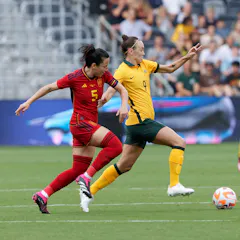
Many athletes playing in the 2023 FIFA Women’s World Cup will likely suffer breast injury from play. Symptoms can last for weeks, harm performance and have long-term consequences.
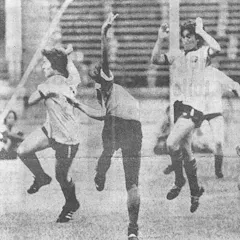
In the lead-in to the 2023 FIFA Women’s World Cup, it is revealing to look back on the media coverage of women’s international soccer.

We examined how newspapers in the UK covered the 2015 and 2019 FIFA Women’s World Cups.
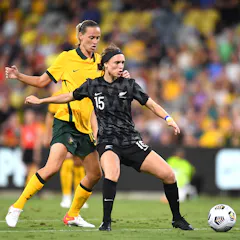
The successful Australia-New Zealand bid for the Women’s World Cup made much of the tournament’s potential to build the game for girls and young women. History suggests this is easier said than done.

The first WNBA game in Canada was more than just a game — it was about the future of women’s sports.
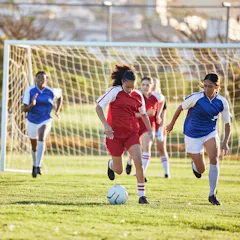
Team sport provides postpartum mothers with opportunities to build community, enhance health and well-being, and counter the often unrealistic and self-sacrificing expectations of motherhood.
Top contributors
-

Professor in the Department of Sport and Exercise Sciences, Durham University
-
Head Of Department in Department of Sport & Event Management, Bournemouth University
-
Professor in Sociology of Sport and Gender, University of Waikato
-
Assistant Professor, Faculty of Social Work, Wilfrid Laurier University
-
Football Consultant & Visiting Senior Lecturer in Strategy and Governance in Women's Football, University of Portsmouth
-
Assistant Professor, Lang School of Business, University of Guelph
-
Chair of Sport and Head of the Academy of Sport, University of Edinburgh
-
Professor of Sport Management & Chancellor's Chair for Research Excellence, Brock University
-
Senior Lecturer in Sociology of Sport, Nottingham Trent University
-
Research Fellow, Institute for Health & Sport, member of the Community, Identity and Displacement Research Network, and Co-convenor of the Olympic Research Network, Victoria University
-
Senior Lecturer in Sport and Exercise Psychology, The Open University
-
Professor, Sport Management and Director, Centre for Sport Capacity, Brock University
-
Associate Professor of Sociology, Mississippi State University
-
Associate professor, California State University, Fullerton
-
Senior Lecturer in Sports Business, Leeds Beckett University