
No one seems to be taught about the function of periods. It’s time to take menstrual literacy seriously.
Articles on Women's Health Matters
Displaying 1 - 20 of 40 articles

Women’s bodies are sexually objectified no matter what the context – and it’s a serious health issue
Spain is the egg donation capital of Europe. We hear what is driving women to donate in this episode of The Conversation Weekly podcast.
Women’s Health Matters is a comprehensive resource designed to empower women and provide them with the information they need to make informed decisions about their health and wellbeing.

Ten years of studying miscarriage has taught me that no two women will have the same experience.

All the things you wanted to know about your genitals but were too afraid to ask.

Abortion has a long and varied history and remains central to our culture, our lives and even our art.
Autistic girls tend to be diagnosed significantly later than boys,
Our research showed that the mechanisms causing chronic pelvic pain vary from person to person.
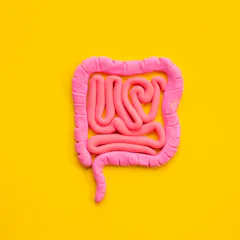
Studies have found that the gut microbiome in women with PCOS differs from those without the condition.
Around 7,000 women were on waiting lists for menopause treatment in England earlier this year, one report found.

Workplace initiatives for women to discuss health and wellbeing can be formal or informal but they should focus on individual needs to be sustainable.
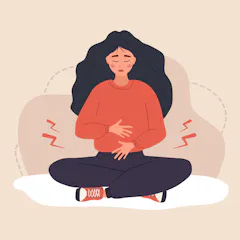
Women are less likely than men to have positive treatment outcomes for chronic conditions.
Two recommendations for making menopause work for women at work.

PCOS is thought to affect 20% of women worldwide.

IVF doesn’t always work, but clinics often don’t make that clear to patients.
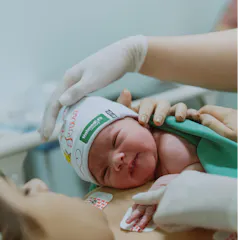
We’ve put together a mini-series on birth and early motherhood, an area many of our readers felt they wanted more evidence-based information on.
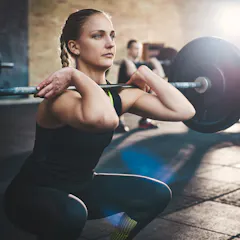
Understanding our menstrual cycle and taking a proactive approach to our periods is vital to improving sports performance.

How to improve your pelvic floor and get active after giving birth.
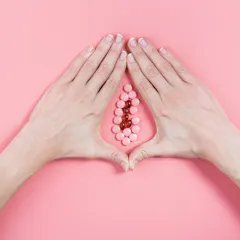
Vulval conditions can be life threatening. But many people don’t know even know what the correct terms for female genitals are.
Top contributors
-

First Book Fellow 2023, Independent Social Research Foundation
-
Doctor Liverpool Women's NHS Foundation Trust, University of Liverpool
-
Lecturer, School of Nursing and Midwifery, Queen's University Belfast
-
Research Fellow, University of Oxford, University of Oxford
-
Research Associate, University of Lancashire
-
Researcher, Primary Care Health Sciences, University of Oxford
-
Senior Lecturer in Sociology, University of York
-
Senior research associate, University of Portsmouth
-
Research Assistant at the National Centre for Population Health and Wellbeing Research, Swansea University
-
Associate Professor, Pain in Women Group, University of Oxford
-
Senior Research Lab Coordinator , School of Clinical Medicine, University of Cambridge
-
Visiting Fellow in Menstrual Physiology, King's College London
-
Professor of Child Public Health, Swansea University
-
Emeritus Professor of Psychology, University of Florida
-
Professor in Public Health Data Science, Swansea University