

Even when both sides occupy the same area, men’s facilities can serve more users.
Articles on Women at work
Displaying 1 - 20 of 23 articles

Research shows the swearing, shouting and enforced muting suggests deeper problems at the Reform-led council.
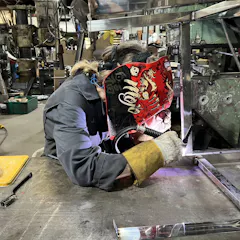
Jean Reith Schroedel’s 1985 book captured the struggles and triumphs of tradeswomen. Forty years later, its lessons remain urgent.
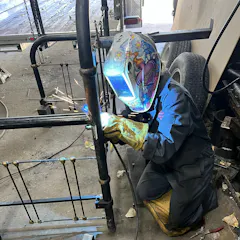
Being a woman in a welding and fabrication shop means finding workarounds for getting tasks done.

Acknowledging that factors like the built environment, social and health systems, and outdated policies are the problems — rather than people — is a step towards healthier and safer workplaces.

The legendary psychoanalyst would encourage us to embrace the feminine at work and at home by resisting the urge to see life as a linear, organised path.

Why many women leaders break the glass ceiling only to fall off a glass cliff.

Two recommendations for making menopause work for women at work.

Sexism and misogyny still rears its head in everyday interactions in the financial services industry, not just in the scandals that hit the headlines.

The burden of changing workplace gender relations has traditionally been on women, but men have an important role to play in creating gender equality at work and beyond.

Why companies should be worried about diversity in ‘top jobs’ and what they can do to make this happen.

The 1960s cartoon The Jetsons got three things about the future very wrong: the place of women in the workforce, how much we will work, and where we work.
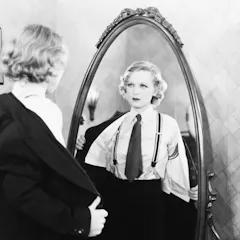
Women have had to forge their own identity at work but still face issues based on their appearance.

The silver lining to recent tech giant job cuts could be more skilled labour for Irish tech and better options for women and older workers.

Some women with endometriosis are in so much pain, they’re giving up work. Others are struggling at work or uni. Here’s how we support women with this debilitating disease.

Many factors influence women’s underrepresentation in investment careers. One that isn’t often discussed: their concerns about ethics.

Many large employers must already report statistics on issues such as how many women they employ, their pay and their level of seniority. But that’s not enough; an intersectional approach is needed.

Research reveals a complicated relationship between surveillance and freedom, as surveillance activities allow for greater autonomy for women hoping to work in Jordan.

At a time when corporations are struggling to address gender gaps at all levels, killing off stereotyped myths such as the Queen Bee Syndrome is essential.
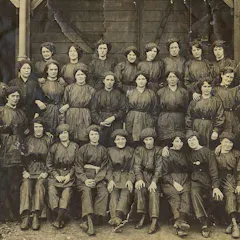
Wartime employment gains were merely on loan for women in Wales.
Top contributors
-

Professor of Rhetoric and Professional Communication, Iowa State University
-
Director of Programmes for War and Society, Swansea University
-
Professor in Business History, Henley Business School, University of Reading
-
Adjunct Associate Professor in History, University of New England
-
Professor of Leadership and Organisation, King's College London
-
Adecco Professor of Strategy and Entrepreneurship, London Business School
-
Associate Professor in Sociolinguistics, University of Nottingham
-
Educational Developer, Mount Saint Vincent University
-
Associate Dean of Business (Indigenous Leadership & Engagement); Director, UTS Centre for Indigenous People and Work, University of Technology Sydney
-
Associate professor, University of Sydney
-
Senior Research Officer, Population Health Program, QIMR Berghofer and Honorary Research Fellow, School of Public Health, The University of Queensland
-
Professor in Employment Studies, University of Bristol
-
Researcher, University of Washington
-
Project Manager, Social Sciences and Humanities Network, Canadian Center for Vaccinology, Dalhousie University
-
Senior Lecturer Human Resource Management, University of Newcastle