

Mulled wine has been around for at least 2,000 years.
Articles on Winter
Displaying 101 - 120 of 185 articles
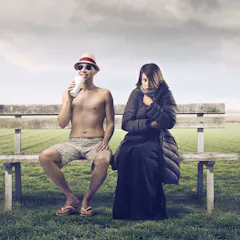
You’ve fought over the thermostat in the office right? Here’s why it’s usually women turning it up and men turning it down.
No, you’re not imagining it. You can pee more in winter. Mostly, there’s nothing to worry about. But it could be a sign of hypothermia.

Normally, the feeling is only temporary. But if someone always has cold hands and feet, even when their body is quite warm, it could be a sign that something else is contributing.
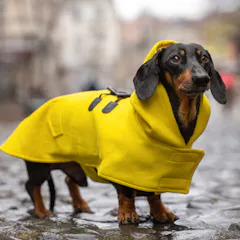
Want to check your canine friend isn’t suffering when an Antarctic blast hits? Start with their ears and feet.

Flu vaccines will soon be available. And this year, you can get your COVID shot at the same time.
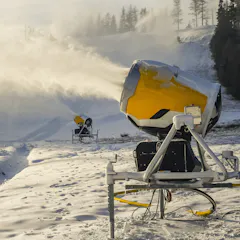
Snowmaking machines can produce enough snow to cover a run, but artificial snow is very different from natural flakes that fall from the sky.
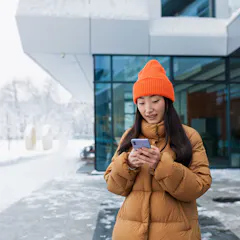
Research on how text messaging could provide mental health resources resulted in SaskWell, a texting service for people in Saskatchewan that provides 10 weeks of mental health and wellness prompts.
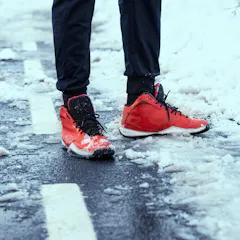
Preparing for being active in cold weather can help keep us safe and increase our enjoyment.
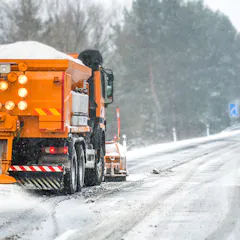
Salty water seeps into our soils and groundwater through surface runoff and storm-water pipes. The long-term storage of salt in the environment impacts aquatic life, infrastructure and drinking water.
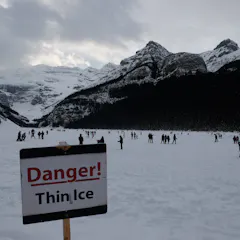
Lakes in the northern hemisphere are rapidly losing their ice cover due to rising greenhouse gas emissions. The only way to preserve lake ice is to limit GHG emissions and slow down climate change.
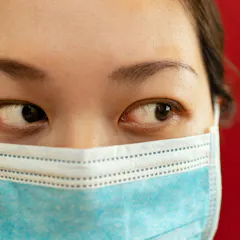
Increased digital screen use, face masks and winter weather combine to form a triple threat to eye health: The dry eye triad. Here’s how to combat the resulting eye fatigue, irritation and discomfort.

As winter approaches, every family has a favourite cold remedy, but experts say few work.

Southern Québec is warming twice as rapidly as the rest of the world due to the progressive loss of snow cover. An average annual warming of 3 C to 6 C is expected by the end of the century.
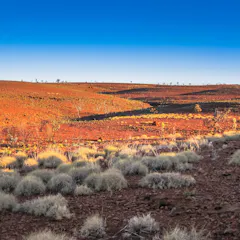
Our research looked at deaths in Australia between 1968 and 2018. While more people tend to die in winter than summer, this gap is narrowing – and that’s a worry.
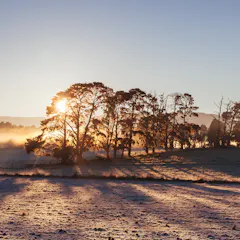
Yes, some of this is normal seasonal transition. But at least a portion of it is due to a particularly vigorous cold front that swept across southeast Australia over the weekend.

Public health measures have helped control COVID-19 in Australia. But they’ve affected other winter viruses, too.
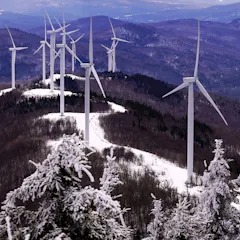
Wind turbines in cold areas typically include methods for removing and repelling ice, but those methods can waste energy. There’s a better way.
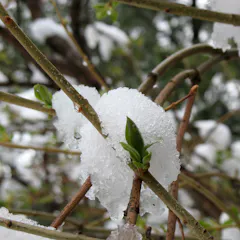
Trees and shrubs in cold-weather climates rely on certain signals, such as temperature and light, to know when to leaf out and bloom. Climate change is scrambling those signals.
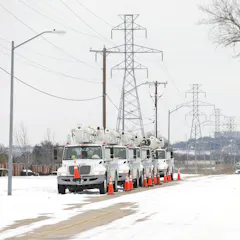
There will be more weather-driven disasters like February’s deep freeze in Texas, and energy planners aren’t prepared.
Top contributors
-

ARC Future Fellow and Associate Professor in Climate Science, ARC Centre of Excellence for 21st Century Weather, The University of Melbourne
-
Associate Professor of Science & Medicine, Bond University
-
Professor Emeritus of Climate and Space Sciences and Engineering, University of Michigan
-
Professor of Anatomy, Lancaster University
-
Assistant Professor of Medicine, Bond University
-
Climate scientist, Australian Bureau of Meteorology
-
David King is a Friend of The Conversation.
Senior Lecturer in General Practice, The University of Queensland
-
Adjunct Professor (Practice) in the School of Earth, Atmosphere and Environment, Monash University
-
Professor of Nursing, Purdue University
-
Professor of Physical Geography, University of the Witwatersrand
-
Lecturer in Cognitive Psychology and Environmental Temporal Cognition Lab Director, Keele University, Keele University
-
Climate Scientist, Australian Bureau of Meteorology
-
Climatologist, Australian Bureau of Meteorology
-
Climate Scientist, Australian Bureau of Meteorology
-
Professor and York University Research Chair in Global Change Biology; Director of the United Nations Institute for Training and Research Global Water Academy, York University, Canada