
The pace of investment to manage diseases transmissible from animals to humans is dangerously slow.
Articles on Wet markets
Displaying all articles
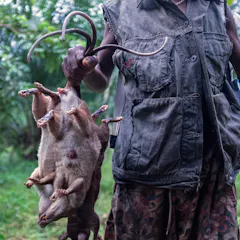
Strategies to beat a disease outbreak like mpox must start with the root causes.
A new study of genetic testing of samples collected from the Huanan Seafood Wholesale Market in Wuhan does not provide definitive clues about COVID origins.

Evidence is mounting for links to animals at the Wuhan wet market. But we’ve wasted a lot of time and energy getting here.
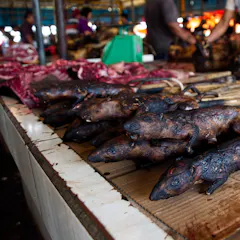
Needed: less wild meat in cities, more wildlife experts in public health.
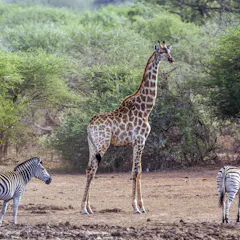
If South Africa’s proposed Meat Safety Act gets passed in its present form it opens up the possibility of massive consumption of wildlife.
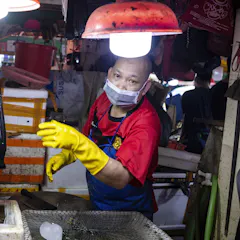
A full ban on eating wildlife in China probably isn’t possible, and could encourage unregulated underground markets.
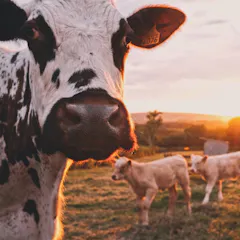
Animal suffering not only harms other species, it endangers our own. Here’s how we can do better.
The US and its allies are demanding answers over how COVID-19 became a pandemic. But instead of pointing fingers at China, the inquiry should focus on scientific clues to help us thwart future disasters.
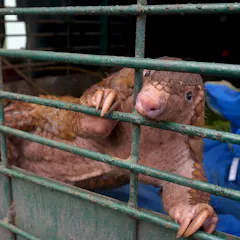
Covid-19, like other major epidemics, is not unrelated to the biodiversity and climate crisis we are experiencing.
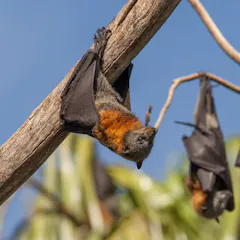
Zoonotic diseases can emerge closer to home than you realise.
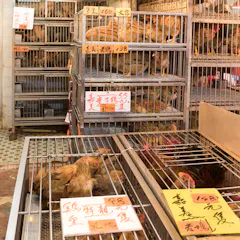
Stressed animals are more likely to harbour new diseases because their immune systems are compromised.
In the real world, new diseases emerge from complex environments. To learn more about how, scientists set up whole artificial ecosystems in the lab, instead of focusing on just one factor at a time.
Top contributors
-

Professor of Medicine, Monash University
-
Alborada Lecturer in Epidemiology, University of Cambridge
-
Public Health Pathology, NSW Health Pathology, Westmead Hospital and University of Sydney, University of Sydney
-
Professor of Bioethics & Medicine, Sydney Health Ethics, Haematologist/BMT Physician, Royal North Shore Hospital and Director, Praxis Australia, University of Sydney
-
Professor of International Relations, London School of Economics and Political Science
-
Research Fellow in Medical Anthropology, London School of Hygiene & Tropical Medicine
-
Professor of Biodiversity and Human Development, Manchester Metropolitan University
-
Directeur de recherche CNRS, systématicien, directeur de l’Institut de systématique, évolution, biodiversité (ISYEB), Centre national de la recherche scientifique (CNRS)
-
Research Associate, Department of International Relations, University of the Witwatersrand; Chief Research Officer, Good Governance Africa; Managing Director, Harvey Economics Pty Ltd.
-
Professor, Dalla Lana School of Public Health, University of Toronto
-
Professor, Management and Organizational Studies, Huron University College and Coordinator of Animal Ethics and Sustainability Leadership, Western University
-
Adjunct Professor in Animal Welfare, Curtin University
-
Professeur, UMR ISYEB (Institut de Systématique, Évolution, Biodiversité), Muséum national d’histoire naturelle (MNHN)
-
Professor of Biomedical Sciences and Vice President for Research, Colorado State University
-
Professor of Biomedical Sciences, Colorado State University