

No matter how much you weigh, there are many benefits to starting exercise, from a reduced risk of heart disease to better mental health.
Articles on Weight loss
Displaying 201 - 220 of 365 articles

A biologist frustrated by his own struggle to lose weight explains why simply exercising more and harder won’t melt the pounds away.

Adolescence is a time of heightened vulnerability around body image. Instagram’s policy to stop teens viewing posts advertising weight loss ‘solutions’ and cosmetic procedures is socially responsible.

Diets like mono, charcoal detox, Noom, time-restricted feeding and Fast800 are growing in popularity. Here’s what the evidence says about them.

Caffeine may be able to increase the function of what we call ‘brown fat’. But we shouldn’t immediately scramble for the closest long black or flat white and expect to see the kilos drop.

There is a huge variety of sugar substitutes available. What’s the difference? Is one better for controlling blood sugar levels for diabetes? Is one better for individuals trying to lose weight?

Intermittent fasting diets are increasingly popular.

You are tired. Would nine more minutes really hurt? Is hitting the snooze button a good idea? Should you just get out of bed? Or is snoozing a sign of a more serious medical issue?
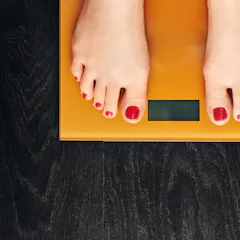
Losing just 5% of weight in people newly diagnosed with diabetes can reduce the risk of cardiovascular disease.

Women with polycystic ovary syndrome say they find it hard to lose weight. Here’s what they can do to improve their symptoms and long-term health.

Intuitive eating is a popular non-diet diet.

When it comes to weight loss, there’s no such thing as a quick fix. But some foods will keep you feeling fuller for longer.
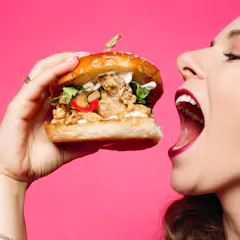
Mindful eating can help to reduce emotional eating and promotes the consumption of smaller portions and fewer calories.
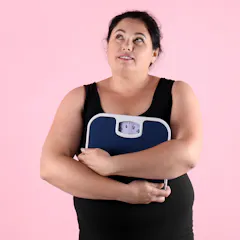
Your body doesn’t know when you’ve overeaten, but exercise can help.
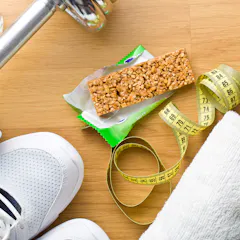
A new review suggests that meal-replacements diets can be a safe and effective way to lose weight.

Behavior change is very hard. Try as we might to keep those New Year’s resolutions, many have given up by this time. Here are some ways to keep going and stay on track, from a counseling psychologist.

When did eating become so confusing? In the 1960s, studies began to show a link between heart disease and dietary fat, and fat was demonized. As it turns out, fat is nuanced and may not be so bad.
Moralistic talk about food, exercise and bodies has its roots in Christianity and is perpetuated by corporations. Collectively, we can resist.

What research says about how to stick to your New Year’s resolutions
The Conversation, CC BY82.9 MB (download)
Today, experts will be sharing with us insights into how to make a change in your life -- big or small -- using evidence from the world of academic research.

We have a tendency to eat more when we eat with others, but weight gain isn’t inevitable these holidays.
Top contributors
-

Laureate Professor in Nutrition and Dietetics, University of Newcastle
-
Clinical Trials Director, Department of Endocrinology, RPA Hospital, University of Sydney
-
Senior Research Associate, Centre for Lifestyle Medicine and Behaviour, Loughborough University
-
Associate Professor of Nutrition, University of Surrey
-
Honorary Associate Professor, University of Leicester
-
Associate Professor, Deakin University
-
Accredited Practising Dietitian and Lecturer, Southern Cross University
-
NHMRC Senior Research Fellow in the School of Human Sciences, The University of Western Australia
-
Professor of Community Health and Wellbeing, The University of Queensland
-
Postdoctoral Researcher, University of Newcastle
-
Professor, School of Biotechnology and Biomolecular Sciences, UNSW
-
Senior Lecturer in Nutrition and Exercise Physiology, University of Leicester
-
Senior Visiting Fellow, School of Medical Sciences, UNSW
-
Head of Division of Sport, Exercise & Nutrition Sciences, University of Huddersfield
-
Postdoctoral research fellow, University of Newcastle