
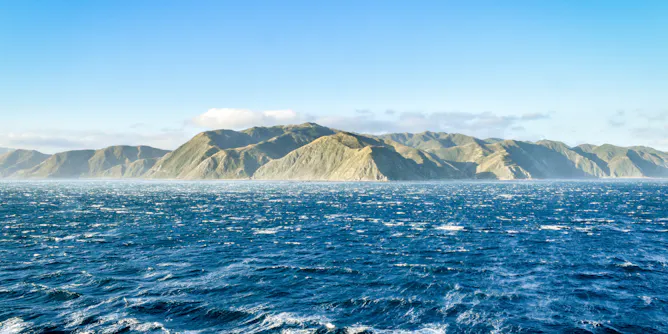
The oil shocks of the 1970s spurred marine energy innovation. Fifty years on, New Zealand still has vast untapped ocean power waiting to be harnessed.
Articles on Wave energy
Displaying all articles
Millions of jobs could be created from sustainable economic ocean development.
Underwater waves could also be used to reduce the risks of tsunamis and to improve their early warning systems.
What drives surfers to hit the waves as a cyclone approaches the coast? And what will it take to get them to stop?
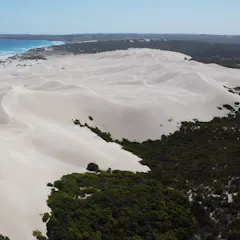
Some Aussie beaches are being reshaped and coastal dunes are marching inland. We used data from aerial photography, field surveys, laser mapping and drones to study incredible rates of change.
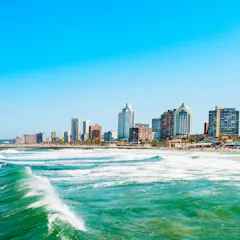
Climate change is changing wave patterns and strength. Bigger waves combined with sea level rise will hit coasts hard – but only in some countries.
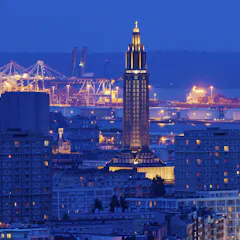
Carbon emissions from maritime shipping and port activities are on the rise. But city ports are finding ways to reduce their carbon footprints and reconnect with nearby cities.
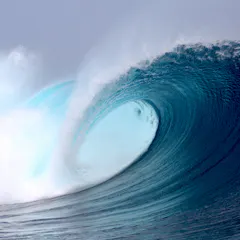
Ocean waves are a massive source of energy, but it’s challenging to design power generators for the harsh environment. Allowing marine organisms to grow on engineered structures could help.
Environment minister Greg Hunt wants the Clean Energy Finance Corporation to focus on new technologies, not wind and solar. But that’s not what it was set up to do, and Australia already has an agency for that.
After months of deadlock, a deal has finally been reached to reduce the Renewable Energy Target, ending the uncertainty for industry but also risking an already sparse pipeline of future projects.
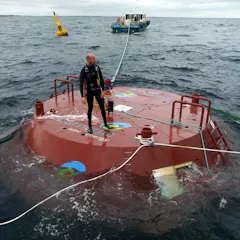
Australia’s first large-scale wave energy project is online off the coast of Perth. As Hugh Wolgamot writes, it’s a promising development, but technological challenges remain.
Top contributors
-

University of Southern Queensland
-
Professor in Ocean Physics, University of Auckland, Waipapa Taumata Rau; Earth Sciences New Zealand
-
Professor, Kyoto University
-
Docteur en sciences économiques, Ingénieur de recherche et enseignant associé, Sciences Po Bordeaux
-
Associate professor
-
Flinders University
-
Associate Professor, Tokyo Institute of Technology
-
Lecturer in environmental interactions of marine renewables, Queen's University Belfast
-
Senior Lecturer in Mechanical Engineering, University of Auckland, Waipapa Taumata Rau
-
Professor, Universidad Nacional Autónoma de México (UNAM)
-
Posdoctoral researcher, Universidad de Cantabria
-
Adjunct Fellow, Climate Change Research Centre, UNSW
-
Professor, Flinders University
-
NHMRC Research Fellow, School of Population Health and Co-founder UNSW Beach Safety Research Group, UNSW
-
Reader of Applied Mathematics, Cardiff University