
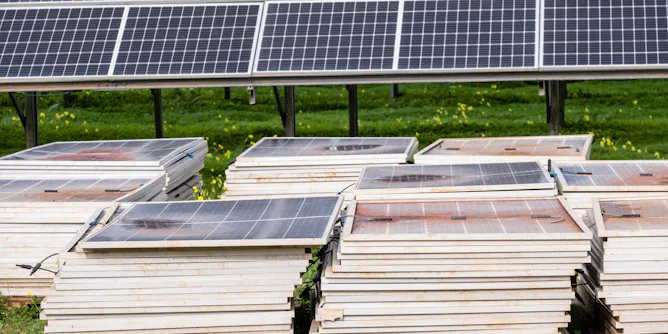
Older rooftop solar systems are being scrapped – often well before the end of their useful life. Establishing a product stewardship scheme is part of the solution.
Articles on Waste crisis
Displaying all articles

Whether we can recycle plastic or not depends on what it’s made of (because there are many different types of plastic), if it’s sufficiently clean and if enough people will buy recycled products.

An essential part of managing a growing global waste problem is sorting, recovering and recycling it. But you won’t see this on children’s shows that feature waste collection.
Understanding the success of the ABC’s War on Waste is a lesson in behavioural psychology. Research reveals five ways to guide other entertainment-education interventions to similar success.
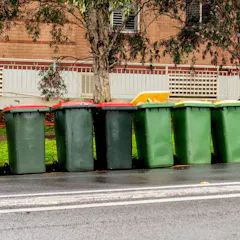
Apartments have lower waste recycling rates than houses, which means the growing numbers of apartment dwellers could add to Australia’s waste management crisis. But there are solutions to the problem.
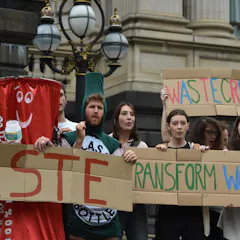
Experimenting with low-waste living shows it’s not easy being green. But householders can help policymakers design better waste management systems.
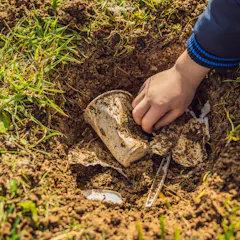
Biodegradable plastics have great potential to replace problematic plastics that don’t break down. But we, and the environment, need greater clarity on how to dispose of them.

Initiated in 2018 to help address the problem of plastic pollution in Bali, the Pulau Plastik initiative shares the insights from its campaign and the collective actions needed to move forward.
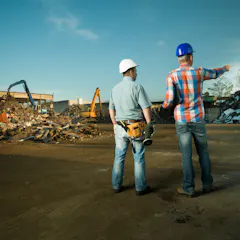
Construction and demolition creates more waste than any other sector, but much of it can be recycled. However, public resistance to setting up new plants stands in the way of a sustainable market.
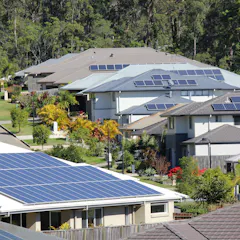
New research found lots of incentives to chuck out working solar panels and replace them with new ones. This may be creating huge amounts of unnecessary waste.
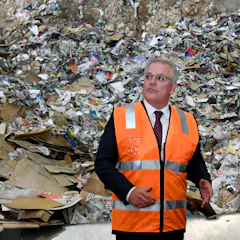
It’s great to see the federal government finally providing clear policy direction for the waste industry. But it’s far from enough to temper the waste crisis.
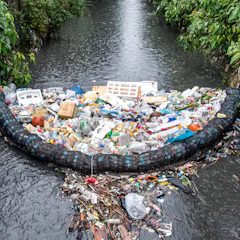
This automated approach can be used in any other city around the world, helping to reduce how much waste enters local waterways and reaches the ocean.
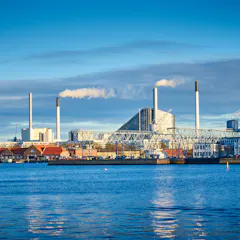
Waste-to-energy incinerators could help Australia deal with its mounting waste crisis, but burning rubbish may come with risks to public health.
Top contributors
-

Senior Lecturer, School of Property, Construction and Project Management, RMIT University
-
Senior Research Fellow, Northern Institute, Charles Darwin University
-
Senior Research Fellow, BehaviourWorks Australia, Monash University
-
Associate Professor of Urban and Regional Planning, Te Kunenga ki Pūrehuroa – Massey University
-
Behavioural Scientist, CSIRO
-
Associate Professor, The University of Queensland
-
Senior Natural Hazards Risk Scientist, GNS Science
-
Knowledge and Translation Broker- Centre for Air pollution, energy and health Research (CAR), University of Sydney
-
Professor and Deputy Director (Research), Monash Sustainable Development Institute, Monash University
-
Science Communicator, ARC Centre of Excellence in Optical Microcombs for Breakthrough Science (COMBS), RMIT University
-
Assistant professor, Queensland University of Technology
-
Chair professor - Circular Economy, The University of Melbourne
-
Research Affiliate, Imperial College London
-
Senior Impact Measurement Officer, Yayasan Kopernik
-
Associate Professor in Human Geography, Monash University