
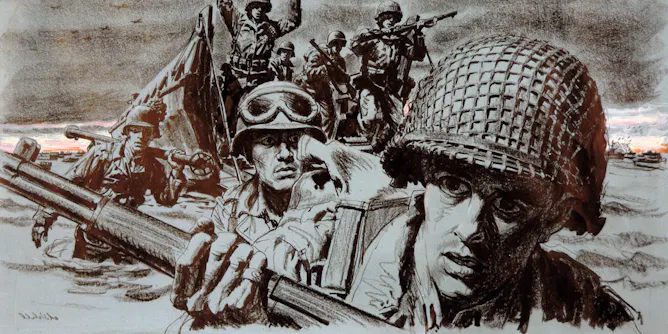
The military newspaper earned credibility by informing troops about the good, the bad and everything in between. But the Pentagon’s recent crackdown on the paper is putting that trust to the test.
Articles on war reporting
Displaying 1 - 20 of 25 articles
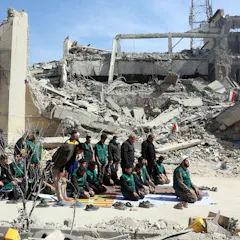
Reporting on Iran is challenging, both from inside the country and from outside.
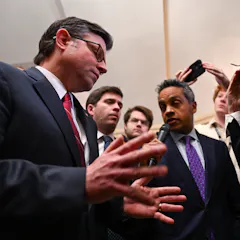
Responsible journalists verify and fact-check information. That can create a lag, leading the audience to believe they’re not just slow but wrong.
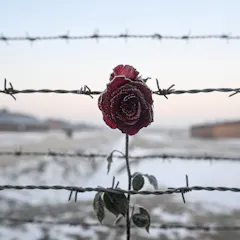
On International Holocaust Remembrance Day, it’s timely to reflect on how the liberation of the camps was reported at the time – and how it changed journalism.

Language has been dubbed “the covert operations of war”, such is the power it holds in shaping public opinion. Here’s what we found about the way Australian media has been framing the conflict.
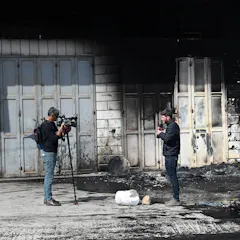
International press freedom bodies are concerned about the high numbers of deaths of journalists reporting from Gaza.
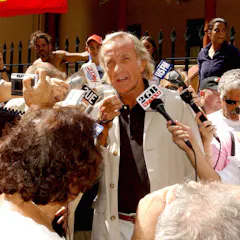
Pilger inspired many with his willingness to critique the damaging effects on ordinary people’s lives of capitalism and Western countries’ foreign policies. But he also provoked global controversy.
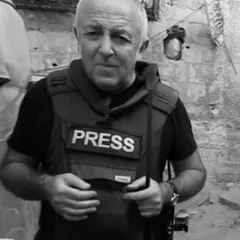
If the first casualty of war is truth, it’s not often the fault of the journalists on the frontline who do a tough job in difficult circumstances.
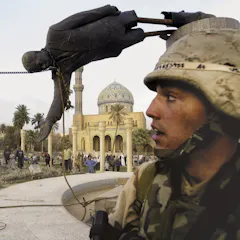
Countless memoirs have been published by US and British veterans in the 20 years since the Iraq War began in March 2003. Iraqi journalist Ghaith Abdul-Ahad offers a fresh perspective.
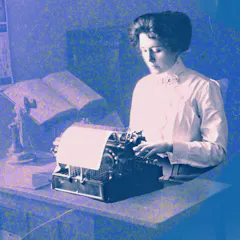
A new book illuminates the bold lives of Australian women journalists between 1860 and the end of Word War II – a time when female reporters were ‘almost unheard of’.
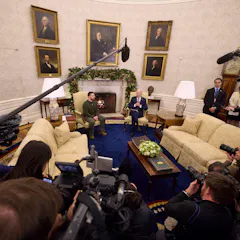
The two sides have used media very differently during the conflict: Zelensky has inspired support, Putin has stifled dissent.
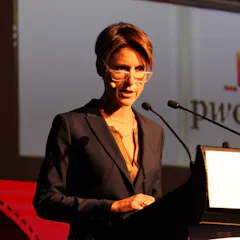
Does a journalist’s gender matter if their job is to speak truth to power? It shouldn’t but until recently did. A new book, Through Her Eyes, tells the stories of our women foreign correspondents.
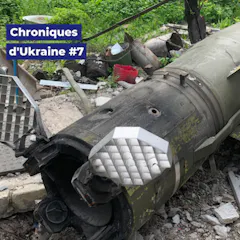
Bringing aid to the residents of bomb-ravaged cities becomes all the more difficult and perilous when the front line is just a stone’s throw away.
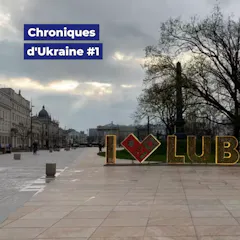
In this series, The Conversation France sends out an ethnographic correspondent to document the war in Ukraine. Here, Romain Huët reflects on what the conflict means for ordinary people and prepares to cross the Ukrainian border.
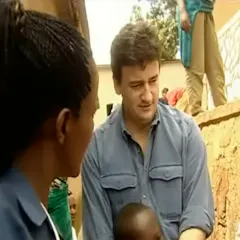
Keane is stepping back from his role as the BBC’s Africa editor due to a long struggle with PTSD after years reporting from conflict zones.
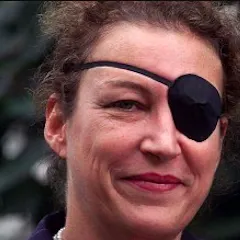
The American reporter killed in Syria was a complex figure, but her commitment to the truth was authentic and unwavering.
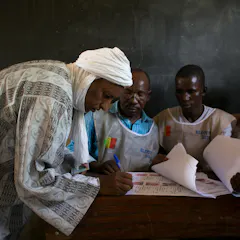
In Africa, biased media coverage is one of the reasons voters have little faith in credible elections.
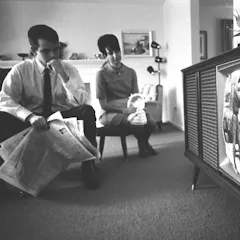
After footage from America’s first ‘living room war’ shocked the public, the government would clamp down on media coverage of future military conflicts.
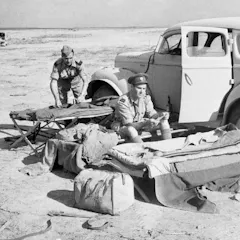
Alan Moorehead’s accounts of the second world war revealed his vital and gripping talent, but his peacetime novels were stilted and corny. A new biography delves into his life and language.
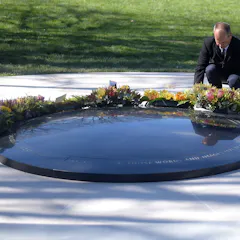
A memorial unveiled in Canberra this week honours the work of Australian war correspondents, but a new Pentagon “Law of War” manual identifies journalists in conflict zones as “spies and belligerents”.
Top contributors
-

Reader in International Journalism, City St George's, University of London
-
Full Professor in Journalism, Dublin City University
-
Maitre de conférences en sciences de la communication, Chercheur au PREFICS (Plurilinguismes, Représentations, Expressions Francophones, Information, Communication, Sociolinguistique), Université Rennes 2
-
Director of Undergraduate Studies, School of Journalism, Media and Cultural Studies, Cardiff University
-
Lecturer in history, The University of Melbourne
-
Senior lecturer, St Petersburg State University
-
Associate Professor in the Media School, Indiana University
-
Lecturer in Journalism, University of Technology Sydney
-
Professor of Sociology, Tufts University
-
Lecturer in Digital Journalism, University of Stirling
-
Associate Professor of Journalism and Global Narratives, Centre for Excellence in Media Practice (CEMP), Bournemouth University
-
Associate Professor, Journalism, Curtin University
-
Professor of Journalism, Bournemouth University
-
PhD, University of Sydney
-
Professor, Monash University