

Vitamin D has long been known to play essential roles in boosting immune health and protecting the nervous system. New research now points to its critical importance in fetal development as well.
Articles on Vitamin D deficiency
Displaying all articles

New guidelines recommend people aged 75 and older consider taking vitamin D supplements. Here’s why.

In the UK, it’s recommended people aim to get at least 400IU of vitamin D a day.
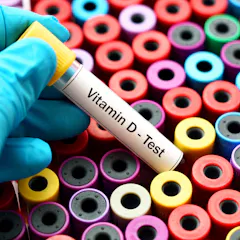
Vitamin D has been shown to regulate the function of 229 genes in humans, suggesting that it plays many roles in maintaining health.

There is a relationship between vitamin D and COVID-19, but taking too many supplements can be toxic.

Vitamin D is essential for good health and particularly for fighting infections and keeping the microbes in the human gut healthy. But in winter it can be difficult to get enough.

UV ratings indicate risk of skin damage – but they’re based on pale skin. New wrist bands designed for six different tones of skin provide a more personalised way to track safe UV exposure.

Asthmatics given vitamin D had fewer severe attacks that needed treatment with oral medication.

Vitamin D is often seen as a harmless supplement to take – the more the better. But the evidence suggests a different picture.

Allergies are reactions caused by the immune system as it responds to environmental substances that are usually harmless. But we don’t yet have a cure or the ability to prevent them from developing.
Top contributors
-

Post Doctoral researcher - Experimental and Translational Respiratory Medicine Research Group, University of Newcastle
-
Professor&Chair of Paediatrics | HMRI, University of Newcastle, Australia | Senior Staff Specialist Paediatric Respiratory&Sleep Medicine | John Hunter Children's Hospital, Australia, University of Newcastle
-
Senior Research Fellow, Primary Health Care/Cochrane Airways Australia Coordinator, University of Tasmania
-
Associate Professor, Paediatrics and Child Health, University of Tasmania
-
Staff Specialist General Paediatrician at John Hunter Children's Hospital, Newcastle, Australia. Conjoint Lecturer & PhD student, University of Newcastle
-
Professor, ARC Future Fellow & Founding Director, Sir Ian Potter NanoBioSensing Facility, RMIT University
-
Professor of Genetic Epidemiology, King's College London
-
Senior Staff Specialist in Paediatric Allergy and Immunology at John Hunter Children's Hospital Newcastle NSW Conjoint Lecturer in Paediatrics, University of Newcastle
-
Emeritus Professor, University of Tasmania
-
Senior Lecturer in Chemical Pathology, University of Westminster
-
Postdoctoral fellow, KEMRI Wellcome Trust Research Programme
-
Professor of Molecular Endocrinology, University of Birmingham
-
Distinguished Professor of Molecular Immunology, Penn State
-
Professor of Nutritional and Genetic Epidemiology, Adelaide University
-
PhD Candidate - Nutrition and Genetic Epidemiology, Adelaide University