
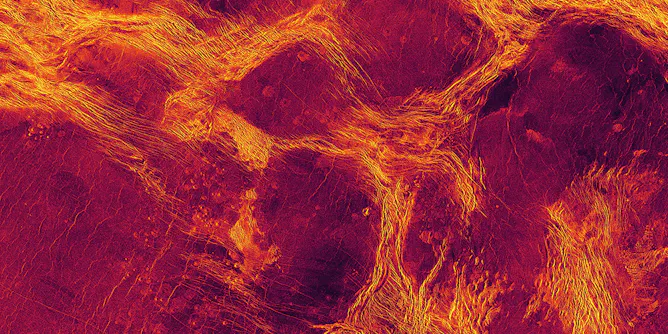
Researchers used decades-old radar data and found that some low-lying areas of Venus’ crust are moving and jostling. This evidence is some of the strongest yet of tectonic activity on Venus.
Articles on Venus
Displaying 21 - 40 of 58 articles
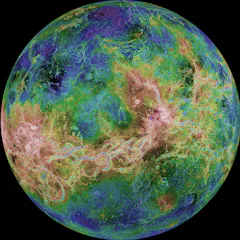
Two new NASA missions – VERITAS and DAVINCI+ – are headed to Venus. The missions will use radar and a probe to learn about Earth’s hard-to-study and potentially prophetic neighbor.
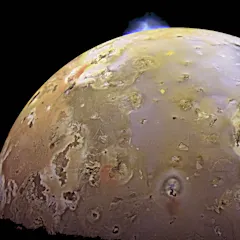
When two missions to Venus were announced, two others missed out.
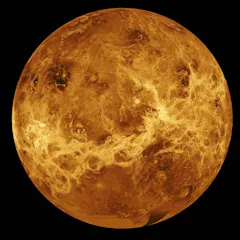
Nasa’s sending its first missions to Earth’s twin since 1990.
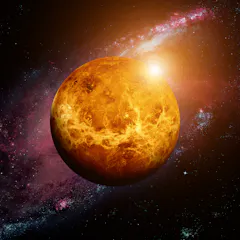
Venus wouldn’t attract much attention if it were outside our solar system. Its skies are filled with sulphuric acid, its land abounds with extinct volcanoes and its surface is mostly red hot lava.
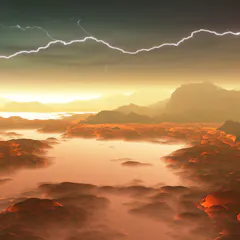
The Earth should be safe (and habitable) for a few billions of years, but we still need to worry about the impact now of just a few degrees of global warming.
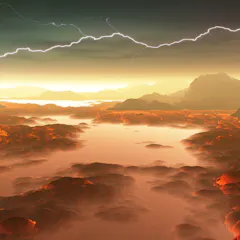
A severe climate change event on Venus may have transformed an Earth-like climate to the current uninhabitable-to-humans state.
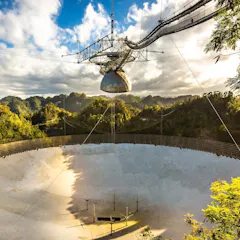
The Arecibo radio telescope has collapsed but its amazing discoveries will live on.
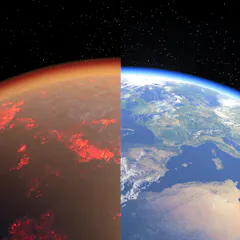
Unlike our hellish neighbour Venus, Earth was far enough from the Sun for liquid water to form and create a more hospitable environment for life.
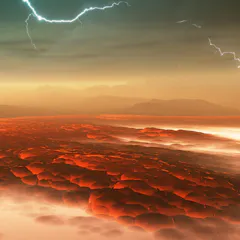
Considering what we know about the key ingredients for life’s formation on Earth, here are three explanations for how this process may have occurred on our sister planet.
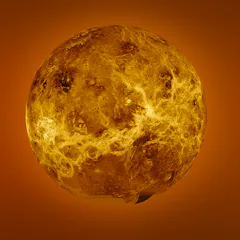
News that Venus may harbor life has swept the globe. So how do we find out for sure? A planetary scientist explains what’s next.
The clouds of Venus may harbour alien life. But where else?
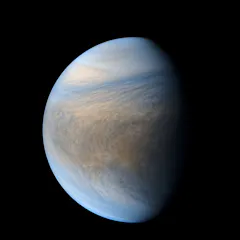
The discovery of phosphine in the acidic clouds of Venus can’t be explained by any known chemical or geological processes.
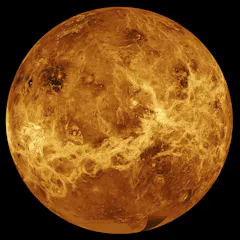
Scientists don’t claim to have evidence of life on Venus but they have ruled out pretty much everything else.

Many people are still upset that Pluto was demoted from being a planet. But definitions of various celestial objects are fairly fluid. So whether it is an asteroid or moon or planet is up for debate.
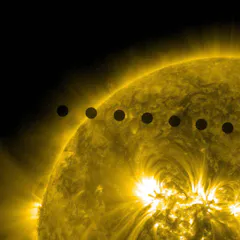
This hot, acidic neighbor with its surface veiled in thick clouds hasn’t benefited from the attention showered on Mars and the Moon. But Venus may offer insights into the fate of the Earth.
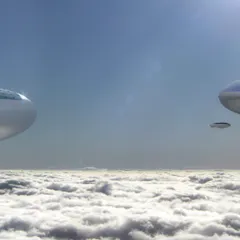
The upper atmosphere of Venus is the most Earth-like extra-terrestrial location in the solar system. It could even host life.
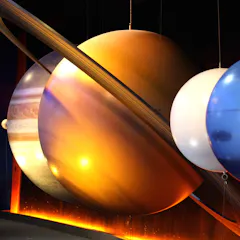
The five planets visible to the naked eye since ancient times are putting on a dazzling display this month, in a night-sky dance along with the Moon.

The longest lunar eclipse this century, and other special features such as Mars looking spectacular will be seen.
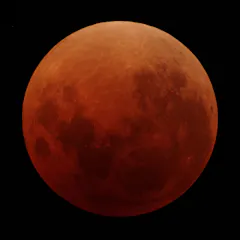
All five five planets visible to the naked-eye are on show in the night skies over Australia, and a Blood Moon on the way too.
Top contributors
-

Senior Curator (Astronomy), Museums Victoria Research Institute; The University of Melbourne
-
Associate Professor of Earth, Environmental, and Planetary Sciences, Washington University in St. Louis
-
Senior Lecturer in Physics, Nottingham Trent University
-
Associate Professor in Archaeology and Space Studies, Flinders University
-
Postdoctoral research associate, University of Oxford
-
Professor (Astrophysics), University of Southern Queensland
-
Science Engagement Astronomer, South African Astronomical Observatory, National Research Foundation
-
Professor of Physics, Deputy Director (Solar System) at the Mullard Space Science Laboratory, UCL
-
Teaching Professor of Astronomy & Astrophysics, Penn State
-
Professor of Planetary Geosciences, The Open University
-
Professor of Astronomy, Vanderbilt University
-
Associate Professor, Japan Aerospace Exploration Agency (JAXA)
-
Astronomer at the Instituto de Astrofísica, Universidad Católica de Chile
-
Scientist, Max Planck Institute for Solar System Research
-
Senior Research Associate in Space and Planetary Physics, Lancaster University