
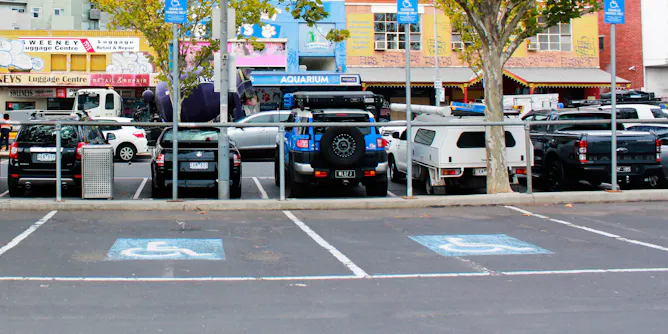
A new study estimates a reduction in emissions of only 35-45% of pre-COVID levels by 2050. Lighter vehicles and faster uptake of electric vehicles can dramatically improve progress towards net zero.
Articles on Vehicle emissions
Displaying 21 - 40 of 61 articles
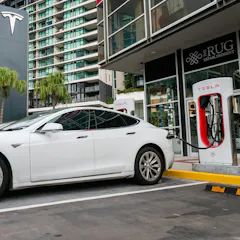
The rest of the nation should follow the ACT’s lead. Incentives to boost the transition to electric vehicles are one of the best ways to tackle Australia’s fastest-growing source of emissions.
Canada’s zero-emissions vehicle sales target will need hundreds of thousands of EV charging points to be installed in homes, workplaces, retail spaces and along highway corridors in the coming years.
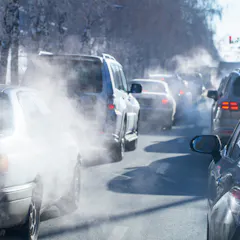
Air pollution from traffic causes the deaths of thousands of Australians. A swift transition to electric vehicles will save lives – and save households and businesses money in the long run.

The controversial cars are under attack.
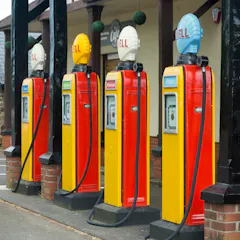
The world recently celebrated the end of leaded petrol, as sales ceased in Algeria.
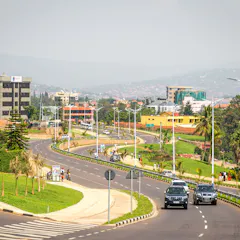
These results emphasise the high significance of the transport sector in Kigali’s air pollution levels and the need for further action to address air pollution from the sector.
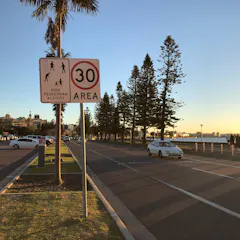
The push for 30km/h speed limits is not about revenue-raising or anti-cars. Even a seemingly small decrease from 40km/h to 30km/h makes a huge difference to the safety and liveability of local streets.
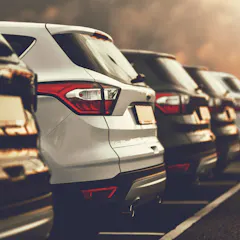
SUVs accounted for 7% of the European market in 2009. Today, it’s almost 40%.
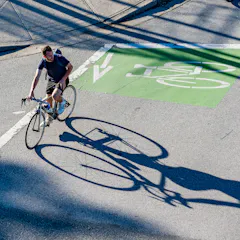
Active travel can help tackle the climate crisis earlier than electric vehicles – even if you swap the car for a bike for just one trip a day.
A new Morrison government plan sorely misses the point on electric vehicles. It’s in stark contrast to Biden’s ambitious EV strategy.
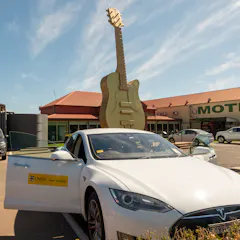
Australia has a lot of work to do to overcome the challenges facing electric vehicles users, starting with the lack of a comprehensive national charging network.
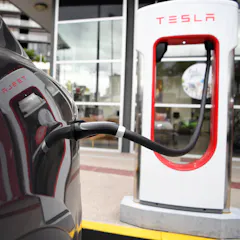
Electric vehicles would lower emissions, but if their lower running costs lead to increased car use that creates a whole lot of other costs for our cities.

Working from home has become the new norm for many during the pandemic. But it’s an opportunity that divides along racial and economic lines – and isn’t as beneficial to the environment as many believe.
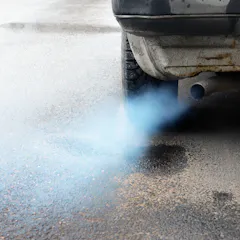
Removing engine idling would be like removing up to 1.6 million cars from the road.

You can reduce your fuel consumption by 15-20% with improved driving habits alone – reducing emissions and saving money at the same time.

Researchers built cheap air quality monitors using parts found at hardware and electronics scores. The results have big implications for anyone who travels outside near busy roads.

Households generate a large share of national greenhouse gas emissions and can take steps to reduce them.

Surprise findings have revealed that Australia’s cars are getting less fuel efficient. This is bad news for the hip-pockets of motorists - and for the climate.
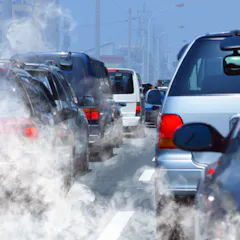
This shocking figure comes from our back-of-the-envelope calculations looking at the effect of forcing more efficient engines on the Australian market.
Top contributors
-

Adjunct Professor of Transport, University of Technology Sydney
-
Professor, School of Economics, The University of Queensland
-
Professor of Transport Technology and Sustainability, Swinburne University of Technology
-
Senior Lecturer in Operations and Supply Chain Management, Anglia Ruskin University
-
Senior Lecturer and Co-Director, Electric Vehicle Centre of Excellence (EVCE), Cardiff University
-
E-Mobility Research Fellow, The University of Queensland
-
Senior Lecturer, Griffith Business School, Griffith University
-
Head of Implementation, ClimateWorks Australia, Monash University
-
Emeritus Professor of Environmental Science, University of Essex
-
Conjoint Professor, School of Population Health, UNSW
-
Research Fellow, Curtin University
-
Project manager, ClimateWorks Australia, Monash University
-
Research Fellow, Centre for Business in Society, Coventry University
-
Professor of Atmospheric Chemistry at the National Centre for Atmospheric Science, University of York
-
Housing Policy Researcher, Expert Advisor, Housing Assessment Resource Tools and Adjunct Professor, L’Université d’Ottawa/University of Ottawa