
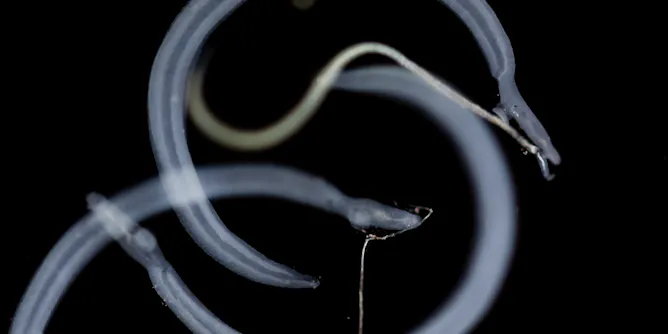
Although there is no evidence yet that it affects COVID-19 vaccines, schistosomiasis, a neglected tropical disease, has been associated with lower vaccine immunity for several vaccines.
Articles on Vaccines
Displaying 341 - 360 of 930 articles

President Biden outlined a six-point strategy to confront the pandemic. But two public health scholars believe it would work better with help from states.
A lot has happened since the WHO declared the coronavirus outbreak a pandemic. A portrait in data highlights trends in everything from case counts, to research publications, to variant spread.
When the coronavirus copies itself, there is a chance its RNA will mutate. But new variants must jump from one host to another, and the more infections there are, the better chance this will happen.
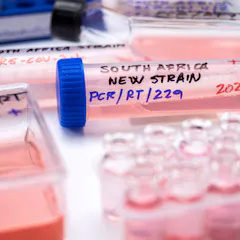
Communities with high vaccine coverage rates are likely to see lower case numbers, hospitalisations and deaths related to COVID-19 compared to those with poor vaccine coverage.
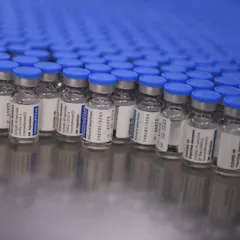
Thanks to the collaborative efforts of governments, funding agencies, academia, biotech and pharmaceutical companies, large-scale manufacturing of mRNA drug products is becoming a reality.
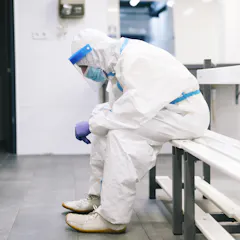
Although stretched thin and imperfect, health care workers do our best for everyone who needs us, regardless of the personal choices people have made.
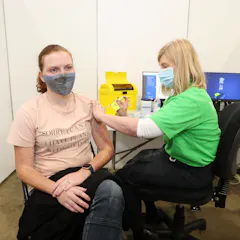
mRNA vaccines are the first synthetic vaccines, meaning they’re made outside of a living cell. But so are lots of things we consume every day, such as vitamin C pills and other dietary supplements.
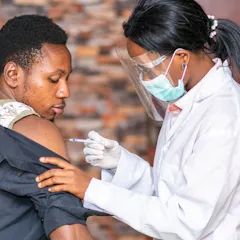
Cell-mediated immunity is particularly effective at eradicating viruses, and more durable. This is important in the fight against COVID-19.
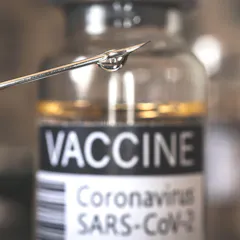
A universal vaccine has been described as the ‘holy grail’ – but how close are we to getting one?
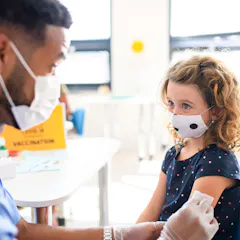
An infectious disease doctor explains the science behind COVID-19 vaccines at a level that children – and adults – of all ages can understand.
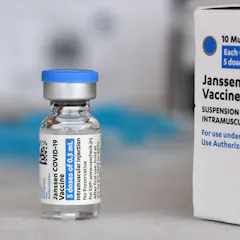
It has been six months since the Johnson & Johnson vaccine received emergency use authorization. What does six months of data show about its efficacy, side effects and protection from variants?
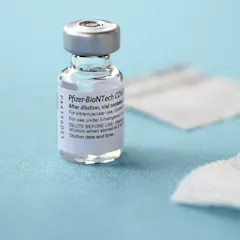
The U.S. FDA has approved the first COVID-19 vaccine. How is approval different from emergency use authorization, and what difference will it make to a vaccine that’s already in global use?

Anti-vaccine activists are using the side effect reporting system to spread fear and misinformation about the COVID-19 vaccines. But the database could also be used as a gauge for public concerns.
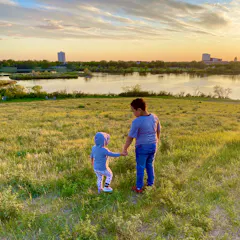
There is an urgent need to combat historically fuelled vaccine hesitancy within Indigenous communities. The best way to do this is through evidence-based knowledge and community-led work.
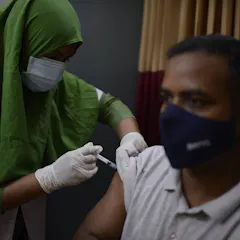
Each dose of Pfizer has a long and complex path involving mixing, storage at temperatures colder than the South Pole and specific protocols that must be followed before it becomes a jab.

The largest immigration detention centre is located in a COVID hot spot in western Sydney. We need to make vaccinations for detainees and staff an urgent priority.

People with weakened immune systems are at a high risk of severe and prolonged COVID-19 infections. An extra vaccine dose can bolster protection.
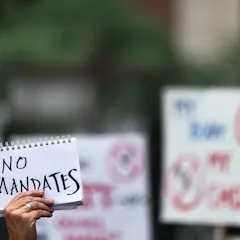
At its core, the constitution holds a moral vision of people as autonomous moral agents, capable of rationally forming their own opinions.
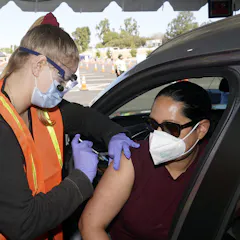
Two economists explain what insurers can and can’t do to factor vaccination status into their coverage and rates.
Top contributors
-

Professorial Fellow, University of Canberra
-
Vice-Chancellor's Research Fellow, School of Health and Biomedical Sciences, RMIT University
-
Professor of Medicine, University of Virginia
-
Research associate, Warren Alpert Medical School, Brown University, Brown University
-
Associate Professor of Health Law, Policy and Management, Boston University
-
Dean Faculty of Health Sciences and Professor of Vaccinology at University of the Witwatersrand; and Director of the SAMRC Vaccines and Infectious Diseases Analytics Research Unit, University of the Witwatersrand
-
Professor, The Children's Hospital at Westmead Clinical School and Sydney Infectious Diseases Institute, University of Sydney
-
Professor of Microbiology, School of Medicine, University of Washington
-
Professor, School of Social Sciences, The University of Western Australia
-
Professor, School of Public Health, University of Sydney
-
Lecturer in Virology, Queen's University Belfast
-
Associate Professor of Biology, Rochester Institute of Technology
-
Distinguished Professor, Professor of Immunology, RMIT University
-
Associate Professor and ARC Future Fellow, The University of Western Australia
-
Associate professor, Department of Family and Community Medicine, University of Toronto; York University, Canada; University of Sydney