

When COVID-19 and the flu co-infect, it’s ‘flurona.’ But such cases are rare, and there are effective ways to protect yourself from both viruses.
Articles on Vaccine side effects
Displaying all articles
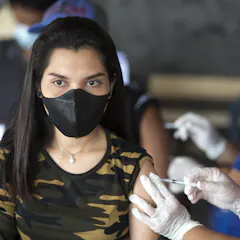
Fewer people reported needing to miss work after their booster, compared to their second dose.
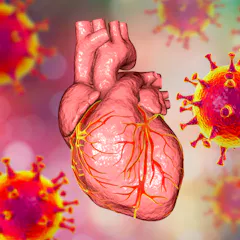
Myocarditis following COVID-19 vaccination is rare, and the risk is much smaller than the risks of cardiac injury linked to COVID-19 itself.

What do you need to weigh up when working out whether to get the AstraZeneca vaccine? Here’s what the evidence says.
Ongoing tracking is meant to spot very rare risks – like the connection between the Johnson & Johnson shot and Guillain-Barré syndrome. And it relies on public reporting.
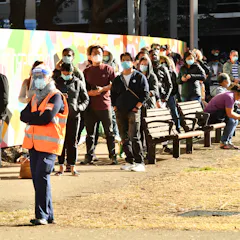
If you’re in Sydney, the advice is for people to bring forward the timing of their second AstraZeneca shot, and for the under 60s to consider having it if they can’t get hold of Pfizer.

At the moment, the scheme only applies to health practitioners, not patients.

Experts are continually monitoring how well COVID vaccines are working, their side effects, and the amount of disease in the community. These factors can change, and advice will adapt accordingly.

Australia is now rolling out the Pfizer vaccine to people aged under 50, with the 40-49 age group newly eligible. Here’s what you can expect.

The TGA has reported a handful of cases of the autoimmune disorder Guillain-Barré syndrome following the AstraZeneca vaccine.

A serious event such as a blood clot could be caused by an underlying medical condition, a medication the person was taking at the time, or some other factor unrelated to the vaccine.
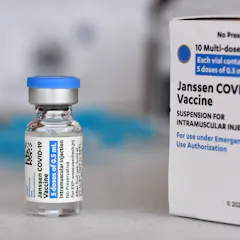
The CDC first paused, then unpaused, the administration of the Johnson & Johnson COVID-19 vaccine due to concerns about blood clots. But what are those clots, and how do they form?

The AstraZeneca COVID vaccine is now available to Australians over 50. Here’s what you need to know before you roll up your sleeve.
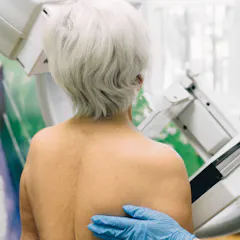
As Australian women over 50 prepare to have their COVID shot, they need to factor in timing of their mammogram. Here’s why.
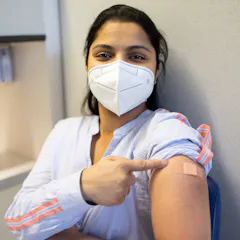
It’s normal for different people to mount stronger or weaker immune responses to a vaccine, but post-shot side effects won’t tell you which you are.
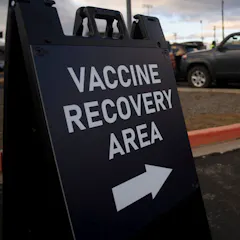
Many people never experience the least bit of discomfort from the COVID-19 vaccines, but mild side effects are common. They include swelling in the affected arm, nausea and chills.
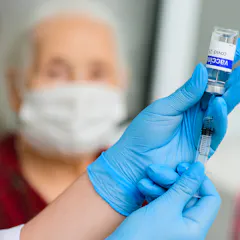
Pausing COVID-19 vaccine rollouts can backfire. There are better ways to manage safety issues while they’re being investigated.

Years of vaccine research tells us that, if side effects are going to occur, they normally occur within the first months after getting a vaccine.

We already track potential vaccine side-effects in Australia. So we’ll be using, and building on, years of experience in monitoring any long-term effects of COVID-19 vaccines.
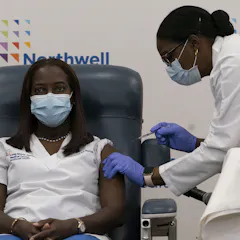
A serious allergic reaction was reported in a health care worker in Alaska after she received the COVID-19 vaccine. Does this mean that people with allergies need to be concerned? An expert answers.
Top contributors
-

Professor, The Children's Hospital at Westmead Clinical School and Sydney Infectious Diseases Institute, University of Sydney
-
Professor of Paediatrics and vaccinologist, Royal Childrens Hospital, University of Melbourne and Murdoch Childrens Research Institute (MCRI); Associate Dean International, University of Melbourne, Murdoch Children's Research Institute
-
Paediatrician, Infectious Diseases Physician and Clinical Microbiologist, The Kids Research Institute Australia, The University of Western Australia
-
Professor, Discipline of Paediatrics and Child Health, University of Sydney
-
Paediatrician and Clinical Senior Lecturer, Children's Hospital Westmead Clinical School, University of Sydney
-
Chen Su Lan Centennial Professor in Medical Ethics, National University of Singapore; Distinguished Visiting Professor in Law, University of Melbourne; Uehiro Chair in Practical Ethics, The University of Melbourne
-
Professor of Infectious Diseases and Global Health, University of Sydney
-
Professor of Breast Cancer Research, Institute of Health and Biomedical Innovation and School of Biomedical Sciences,, Queensland University of Technology
-
Senior Research Officer, National Centre for Immunisation Research and Surveillance; PhD candidate
-
Professor of Internal Medicine, Oklahoma State University
-
Associate Professor of Pediatric Cardiology, Oregon Health & Science University
-
Professor of Pediatrics and Human Development at the Michigan State University College of Human Medicine, Michigan State University
-
Professor of Medicine, UMass Chan Medical School
-
Professor of Nursing, Purdue University
-
Manager of Ambulatory Pharmacy Services, University of Virginia