

Research shows acute psychological stress can rapidly alter blood clotting in healthy people.
Articles on Blood clots
Displaying 1 - 20 of 30 articles
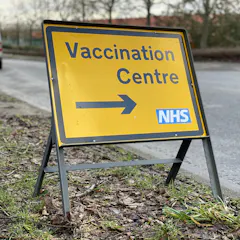
A rare clotting disorder puzzled doctors during the COVID vaccine rollout. New research reveals the unlikely chain of events that causes it.

Deep vein thrombosis (DVT) — a condition caused by blood clots that has affected NBA all-star Damian Lillard and tennis star Serena Williams — is treated with blood thinners.
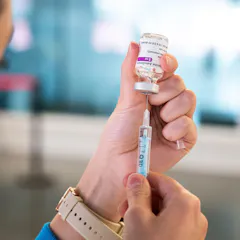
Adenoviral vaccines are widely used. We need to know why some people get deadly blood clots.

Auditory processing disorders and aphasia can make spoken speech difficult to produce and understand. But these challenges alone do not imply cognitive impairments.

Although the study found greater risk of blood clots for obese women taking the pill, the risk of developing one was still very low.
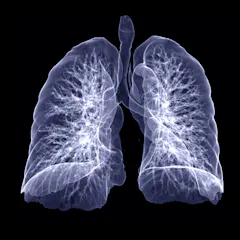
Understanding how injury and disease, including COVID-19, can impair lung function can help researchers and clinicians better help patients who are experiencing chronic conditions
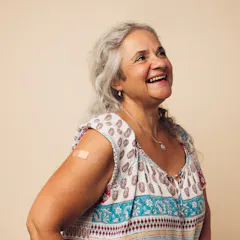
With the reality of the COVID situation in Australia, particularly in New South Wales, some older adults could literally die waiting.
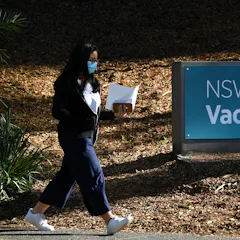
Experts are continually monitoring how well COVID vaccines are working, their side effects, and the amount of disease in the community. These factors can change, and advice will adapt accordingly.

If you have risk factors around blood clots, heart attack or stroke, this should actually be an impetus to get vaccinated sooner rather than later.

The clotting condition has affected one in 88,000 Australians and is less deadly than previously thought.

Each province and district in South Africa has allocated persons responsible for investigating adverse events following COVID-19 vaccination.
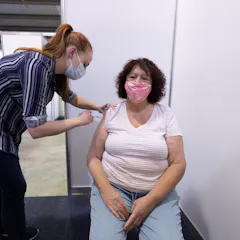
Many over 50s seem to be asking this question. But there are a number of reasons it’s important to go ahead and get the AstraZeneca vaccine now.
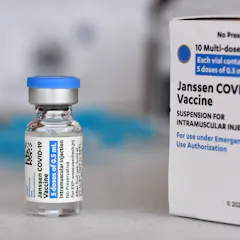
The CDC first paused, then unpaused, the administration of the Johnson & Johnson COVID-19 vaccine due to concerns about blood clots. But what are those clots, and how do they form?

The AstraZeneca COVID vaccine is now available to Australians over 50. Here’s what you need to know before you roll up your sleeve.

With changing recommendations about AstraZeneca’s COVID-19 vaccine making headlines, many people have questions about its use.

How do we reasonably and accurately balance the risks of the AstraZeneca vaccine against the benefits? Conceptualising risk can be tricky, but the government’s latest advice is sensible.
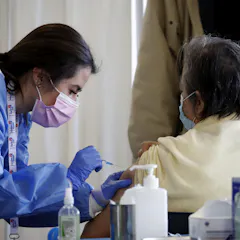
The UK’s proposal to give under-30s other vaccines shouldn’t be too disruptive, but in Europe, greater restrictions look likely.
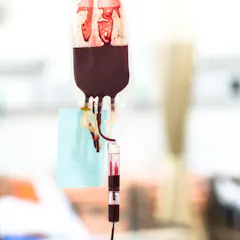
Scientists have called it “vaccine-induced prothrombotic immune thrombocytopenia”, or VIPIT. The condition is characterised by a shortage of platelets in the blood.
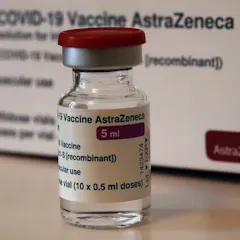
AstraZeneca just announced results from its US-based trial. It found the vaccine to be 79% effective and safe for use, despite recent concerns around reports of blood clots.
Top contributors
-

Haematology Registrar and Clinical Research Fellow, University of Birmingham
-
Interventional Cardiologist, Alfred Hospital; Professor of Medicine and Immunology, Monash University; Professor and Head, Department of Cardiometabolic Health, University of Melbourne; Lab Head, Atherothrombosis and Vascular Biology and Deputy Director, Baker Heart and Diabetes Institute
-
Postdoctoral Research Fellow, Institute of Cardiovascular Sciences, University of Birmingham
-
Associate Professor, Epidemiology, Deakin University
-
Research Fellow, Baker Heart and Diabetes Institute, Haematologist, Alfred Hospital, Baker Heart and Diabetes Institute
-
Professor, Infectious Diseases and Microbiology, The University of Queensland
-
Head, Melbourne School of Population and Global Health, The University of Melbourne, WEHI (Walter and Eliza Hall Institute of Medical Research)
-
Professor of Pharmaceutical Chemistry, Macquarie University
-
Distinguished Professor, Professor of Immunology, RMIT University
-
Associate Professor of Biology, Rochester Institute of Technology
-
Adjunct Professional Fellow, CQUniversity Australia
-
Professional Research Fellow, Victoria University
-
Associate professor, Victoria University
-
Associate Professor in Contraception, Reproductive and Sexual Health, Anglia Ruskin University
-
Assistant Professor of Medicine, University of Virginia