
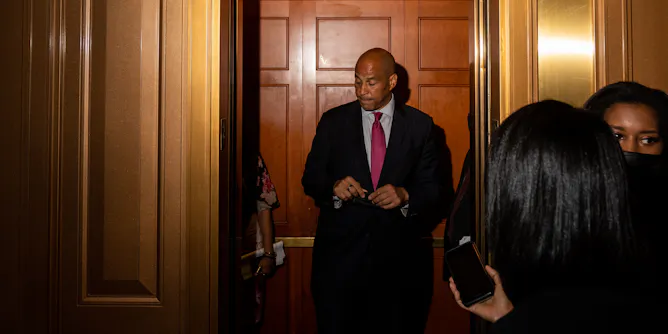
Months of bipartisan talks in Congress aimed at reaching consensus over policing reforms have ended with no agreement. Two policing scholars argue that federal efforts are better placed focusing on supporting local measures.
Articles on US police
Displaying 21 - 40 of 90 articles
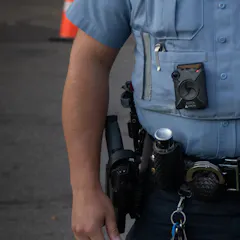
Police body cameras have the potential to make private details about people’s lives, including some of the most stressful experiences of their lives, public and easily accessible online

Sheriffs in less populated counties got bigger boosts from military surplus than sheriffs in more populated counties.
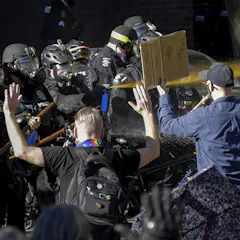
New research confirms that unfair police treatment is psychologically damaging and that the consequences are decidedly worse for certain racial and ethnic groups.
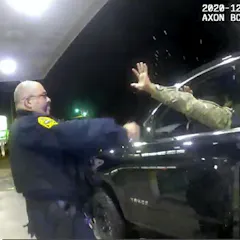
Police officers who kill, injure or violate the rights of citizens are often not held accountable, even in civil court – because in most cases, they can’t be sued for official acts.
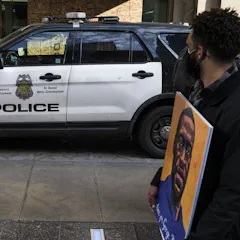
Attempts to reform US police departments fail when they are unable to get community support. Perhaps it is time to take a different tack, argue two criminal justice scholars – one a former cop.
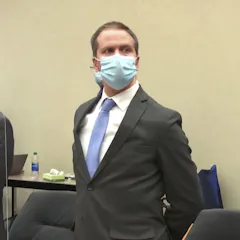
The conviction of a former police officer for murder is unprecedented - and an indication of the long, brutal history of racism in US law enforcement.
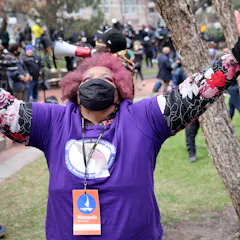
Scholars of policing, law, race and Minnesota history explain the landmark guilty verdicts handed down in the trial for the murder of George Floyd.
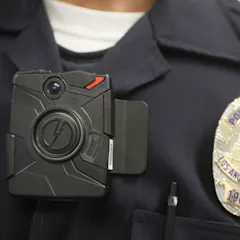
Nonwhites were less willing to wait for an internal investigation to wrap up before seeing the footage.
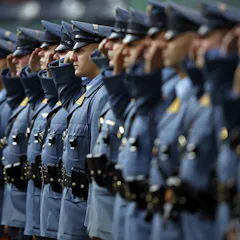
Racism was an early hallmark of the New Jersey State Police, and remains challenging for police agencies in the 21st century.
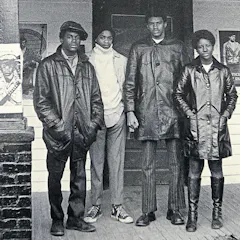
In the early hours of Feb. 10, 1971, heavily armed officers moved in on a house occupied by Black Panther activists – marking a policing trajectory toward a more militarized response to Black activism.
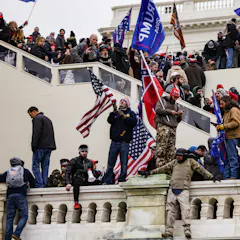
Ostensibly protesting an election they may have thought was stolen, their actions fed a larger set of goals that American militants are seizing upon to take more extreme action.
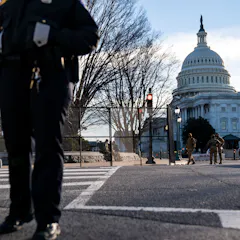
The FBI has long warned that white supremacist groups are seeking to infiltrate police, which makes the events of Jan. 6 all the more concerning.
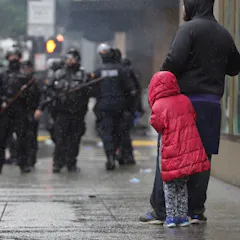
At age 7, Black, white and Hispanic children have a similar opinion of the police. But this increasingly turns negative by the time they are teenagers, especially for nonwhite teens.
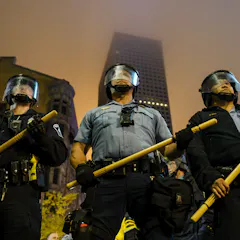
George Floyd’s death has thrust police unions into the spotlight amid a growing recognition that they are not part of the U.S. labor movement but a narrow interest group pursuing their self-interests.
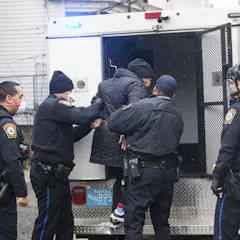
When police arrest a suspect who is then convicted of the crime, it is a rare exception rather than the rule in the US.

Anti-black violence exists against the backdrop of the political and cultural dehumanization of Black people. How did this happen and where do we go from here?
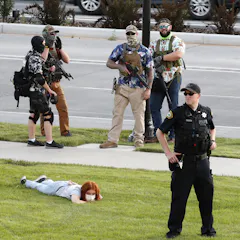
For many Americans, law and order has long been as much a private matter as something for the government to handle.
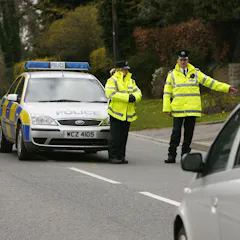
A decadeslong process of recruiting a more diverse police force has led to more peaceful communities and widespread, bipartisan trust in policing in Northern Ireland.

Scholars who study policing explain what they have found that could help reduce police prejudice and violence.
Top contributors
-

Associate Professor of Criminology and Criminal Justice, University of Nebraska Omaha
-
Assistant Professor, Augusta University
-
Assistant Professor of Criminal Justice and Criminology, Georgia State University
-
Assistant Professor of Criminology and Criminal Justice, University of South Carolina
-
Visiting Associate Professor of Sociology, Emmanuel College
-
Associate Professor of Law, Rutgers University - Newark
-
Associate Professor of History, Deakin University
-
Ph.D. candidate in Political Science, University of Utah
-
Senior lecturer, Liverpool John Moores University
-
Assistant Professor, School of Criminal Justice, Rutgers University - Newark
-
Professor of Teaching, Wayne State University
-
Associate Professor of Law, Georgetown University
-
Assistant Professor of Justice Studies and Sociology, Norwich University
-
Professor of Law, Faculty Director of the Excellence in Policing & Public Safety Program, University of South Carolina
-
Assistant Professor in Media Studies, University of Colorado Boulder