
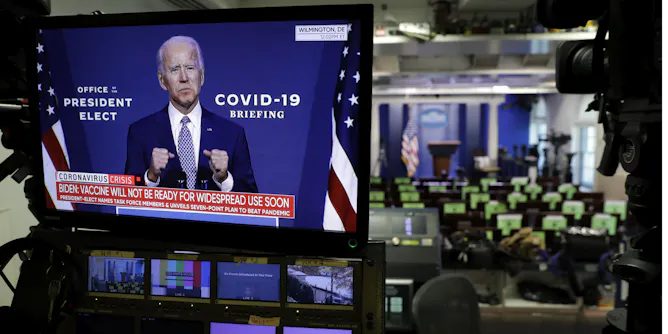
A new era will require a new approach when it comes to reporting US politics.
Articles on US media
Displaying 61 - 80 of 158 articles
Media outlets used visual metaphors to explain to the public how election results would emerge.
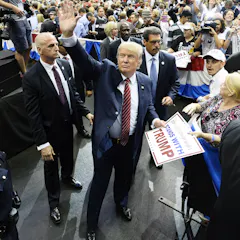
The future of democracy could depend on how the forthcoming election plays out – so the way in which it is covered will be crucial.
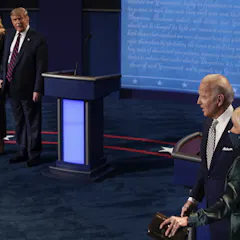
Voters are told little about policy issues as journalists focus on the ‘contest’.
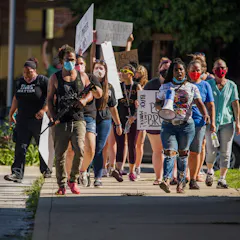
In principle, white Americans support efforts to end racism. But in practice, they have long been unwilling to support the fundamental change needed to do that. Will this year’s events change that?

Thanks to some serendipity and fortuitous timing, the images emerging out of Selma had a uniquely powerful effect on the nation.

COVID-19 has accelerated the decline in local and national journalism. Is it time to find a new funding model, or for the government to intervene?

The media have mad a significant contribution to the current crisis of democracy - now, they must play a vital role in any democratic revival.
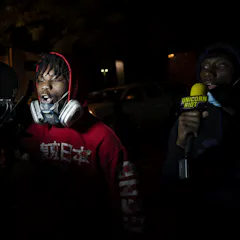
Livestreamed video coverage of protests across the country is the modern heir to decades of grassroots documentary filmmaking.
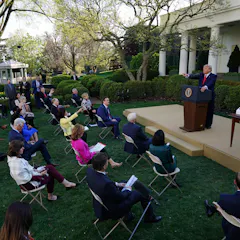
Though political elites complain about what the media covers, and how they cover it, research shows that ideological bias among media outlets is largely nonexistent.

Although some have dubbed the flurry of new video services coming out as a ‘streaming war,’ the reality is very different.
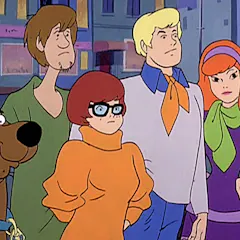
Demands for regulation of media violence reached a fever pitch after RFK’s assassination, and networks scrambled to insert more kid-friendly fare into their lineups. Enter: the Mystery Machine.
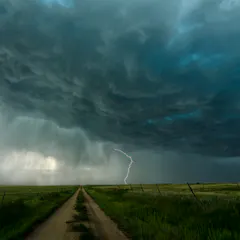
Media Files: Washington Post weather editor Jason Samenow on how weather coverage is evolving – and building audience growth
The Conversation40.1 MB (download)
The Washington Post's weather editor explains how digital media changed the way we connect to the weather, and why it's wrong for weather editors to leave climate change out of the discussion.
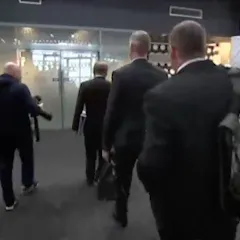
An American media scholar studying in Australia looks at the protections offered by the two countries for investigative reporting, raising crucial questions about journalism’s role in democracy.
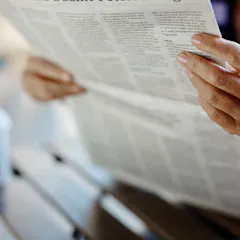
Journalism’s crisis – loss of readers, revenue and respect – has led many to conclude that if the news business is to survive, it has to do a better job of connecting with its audience. How can it be done?
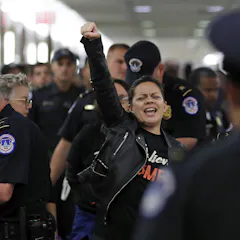
A polarized electorate is divided into tribal camps that demonize each other. That’s the setting for the upcoming midterm elections. If the US continues down this path, democracy will suffer.
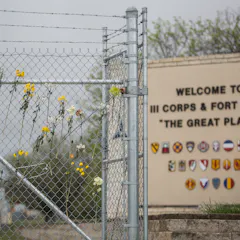
In scrutinizing statues honoring Confederate figures, journalists have overlooked military bases named after generals who fought to defend the slavery of black people.
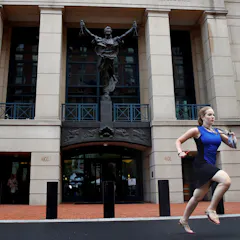
Instead of taking pride in how quickly they cover the same stories as everyone else, these organizations make public service journalism their top priority.
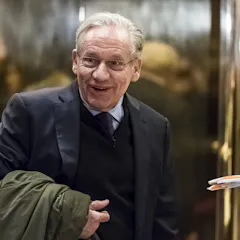
Bob Woodward’s supposedly explosive findings about Trump are not what we need.
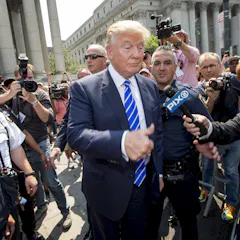
Trump despises the media and says it’s a threat to the American people. Yet the White House’s daily newsletter scours the US to find good press, touting even tiny bits of praise from local newspapers.
Top contributors
-

Carolyn S. Chambers Professor in Journalism, University of Oregon
-
Professor of Communication, Radford University
-
Professor of Communication and Journalism, University of Maine
-
Professor of Political Communication; Director CAJ, The University of Melbourne
-
Associate professor emeritus, Journalism, Virginia Commonwealth University
-
Professor of Media Studies, Penn State
-
Full Professor in Journalism, Dublin City University
-
Associate Professor of Communication, University of Utah
-
Associate Professor of Communications, Penn State
-
Professor of Sociology, University at Albany, State University of New York
-
Professor of Journalism, Indiana University
-
Professor of Criminal Justice, University at Albany, State University of New York
-
Senior Lecturer in Critical Digital Media Practice, Lancaster University
-
Knight Chair in Sports Journalism and Society, Penn State
-
Director of Undergraduate Studies, School of Journalism, Media and Cultural Studies, Cardiff University