
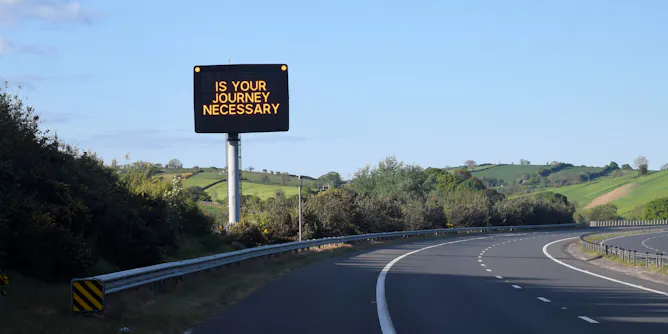
The world could be facing an unprecedented energy shock if oil supplies remain choked.
Articles on US-Iran
Displaying 61 - 80 of 242 articles

US consumers, already feeling pain at the gas pump, can expect higher prices and prolonged shortages for goods of all sorts, including food, as additional consequences of slowed oil production.
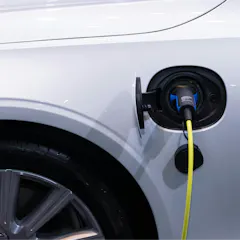
The clear signal this trend data sends is Australians are a pragmatic lot. If using an EV might save them money, they are interested.

The national intelligence community has seemingly been sidelined from Trump’s Iran war decisions – a far cry from previous administrations, writes a former National Security Council member.
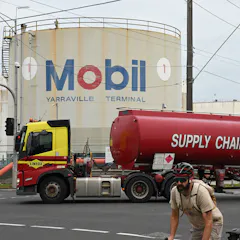
It’s highly unlikely Australia will end up with no diesel. But if what is available becomes extremely expensive, the whole economy – and all of us – will feel it.
Nations’ stores of petroleum can dampen price shocks in the short term, but as reserve supplies dwindle, economic pain may continue.
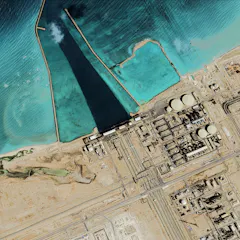
The plant is the largest of its kind in the world – and it suffered extensive damage.

Since the U.S.–Israeli strikes on Iran began, damage to cultural heritage has raised legal concerns—and may undermine the campaign’s strategic aims.

Air travel faces major disruption. For those whose plans have been disrupted, there are ways to navigate the uncertainty.
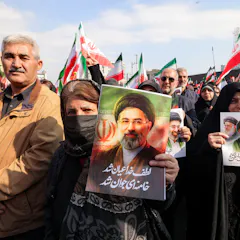
Several people on the list are deeply embedded in Iran’s political, intelligence and security architecture.
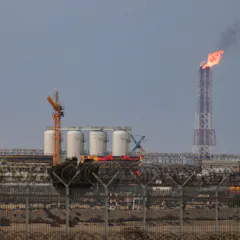
Iran has responded in kind to attacks on its energy infrastructure. With the energy assets of Gulf states now in play for Tehran, regional chaos grows by the hour.
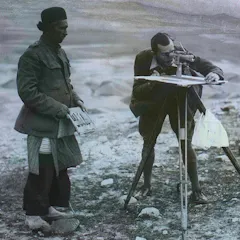
For more than a century, Iran has occupied a powerful place in the western imagination, characterized as a volatile region that sits atop vast oil reserves.
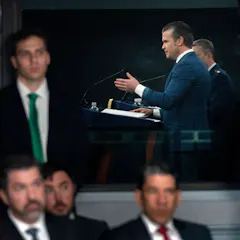
In the face of little information, or misinformation, about the war in Iran, media literacy can prove a valuable tool to assess what’s happening on the ground.

Suspending the Jones Act will increase the supply of fuel by allowing foreign-flagged ships to transport oil between US ports, which should eventually educe gas prices.

In the law of naval warfare, the line between belligerents and neutrals is not always an easy one to draw.

Geopolitical violence abroad translates into homegrown threats in the US and Canada. Recent antisemitic attacks show how the Jewish community is a target of those threats.
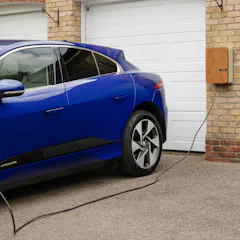
For many drivers, the question is no longer whether an EV could work for them – it is simply a matter of when.
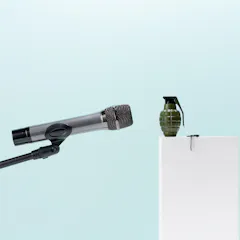
Americans have been able to know what troops at war are facing, and make informed decisions about the war’s cost, because a free press has been able to tell the story − good or bad. Can it still?
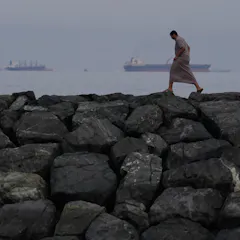
Rising tensions between the United States, Israel and Iran have sent oil prices surging. While households and governments face higher costs, parts of the fossil fuel industry stand to gain billions.

The war in Iran has cut off diplomatic efforts to limit the country’s development of nuclear weapons. Securing that material and equipment in other ways would be difficult and dangerous.
Top contributors
-

Professor of International Politics, Clinton Institute, University College Dublin
-
Fellow for the Middle East at the Baker Institute, Rice University
-
Senior Lecturer in International Relations, University of Pennsylvania
-
Honorary Research Fellow, Department of International Politics, City St George's, University of London
-
Assistant Professor of International Relations, American University
-
Associate Professor of Practice of Public Policy, University of Michigan
-
Professor in the Department of Government, University of Essex
-
Professor of the Practice of Political Science and International Relations, USC Dornsife College of Letters, Arts and Sciences
-
Professor of Practice in International Relations, USC Dornsife College of Letters, Arts and Sciences
-
Lecturer in Energy Systems, University of Oxford
-
Associate Professor of Politics and International Relations, Florida International University
-
Tony Walker AM is a Friend of The Conversation.
Director, La Trobe University
-
Professor of History and Peace Studies, University of Notre Dame
-
Lecturer in International Relations, University of East London
-
Graduate Teaching Associate, School of Politics and Global Studies, Arizona State University