
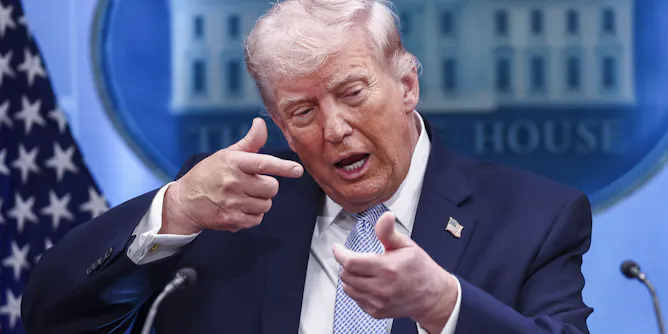
Donald Trump’s pre-ceasefire social media post was unprecedented, immoral, and a diplomatic blunder for the US’s standing in the world.
Articles on US-Iran
Displaying 41 - 60 of 243 articles
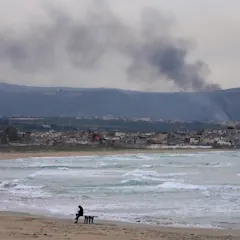
As before, however, any such move into the country would be fraught with the same risks that have bedeviled past Israeli invasions of Lebanon.

Some are calling for Australia to follow in the footsteps of other countries that are mandating WFH or shorter weeks. Here’s what the evidence says.
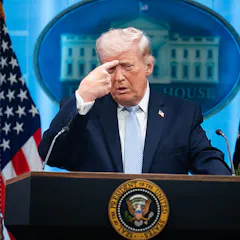
Amid lawmakers’ calls for the president’s removal from office, Americans may be wondering what would come next.
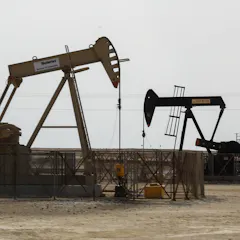
For sheer abundance and ease of production of oil and natural gas, it simply doesn’t get any better than the Persian Gulf region.

Fertilizer is more expensive and in shorter supply. Without the right amounts of fertilizer at specific times, yields drop, food prices increase and food shortages result.
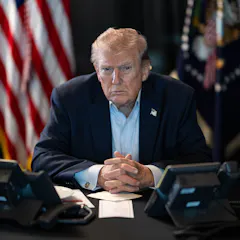
Donald Trump’s communication style, especially since the start of the US military campaign against Iran has revived several old myths that are engrained in the American psyche.
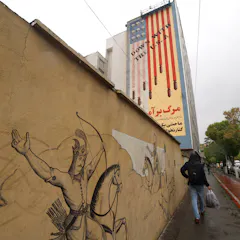
Some major events in the history of US-Iran relations highlight differences between the countries’ views, but others have presented real opportunities for reconciliation.

Fuel shortages are rising worldwide, and some countries have started rationing fuel. Wartime rationing offers a model for managing scarcity more fairly.
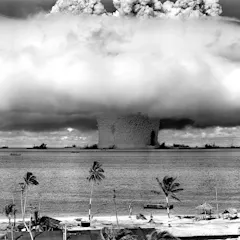
For decades, the US seriously pursued the idea of ‘peaceful nuclear explosions.’

Without adequate fertiliser, crops such as wheat and barley produce lower yields with lower protein content.

Communal laundries are easy to find in Swedish apartment buildings and can provide a cheap way to do the washing.
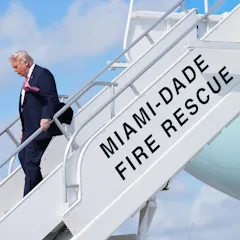
Donald Trump will probably lean into his rhetorical strengths and try to convince Americans the U.S. has won in Iran when it hasn’t.
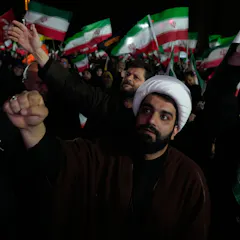
Wars that define eras are remembered not just for how they are fought, but for what follows. For Canada, the end of the Iran war will be a chance to lead with clarity, consistency and purpose.
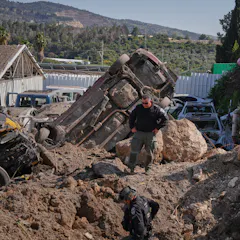
U.S. leaders brag about airstrikes’ tactical effects while Iran’s drones and missiles achieve strategic results.

While media outlets are signing deals with Polymarket and Kalshi for their insights into the wisdom of crowds, gamblers are pouncing on opportunities to wager on geopolitics and celebrity weddings.

In normal times, as much as 14% of global maritime trade goes through the Bab el-Mandeb Strait. Disruption would be felt around the world.
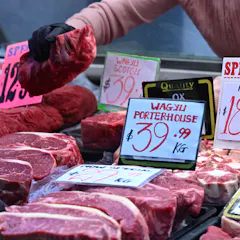
Modelling shows higher costs affecting freight, food production, and manufacturing – pushing up the cost of all kinds of goods, from steak to steel.
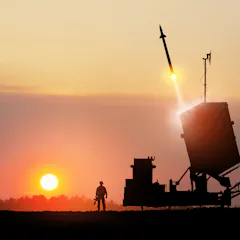
If Israel possesses a nuclear arsenal, while Iran is denied that possibility, what do the international norms on accepting, producing or acquiring nuclear weapons have to say about such double standards?
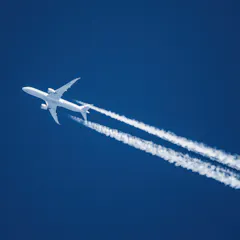
The Middle East conflict is the latest crisis to hit the industry.
Top contributors
-

Professor of International Politics, Clinton Institute, University College Dublin
-
Fellow for the Middle East at the Baker Institute, Rice University
-
Senior Lecturer in International Relations, University of Pennsylvania
-
Honorary Research Fellow, Department of International Politics, City St George's, University of London
-
Assistant Professor of International Relations, American University
-
Associate Professor of Practice of Public Policy, University of Michigan
-
Professor in the Department of Government, University of Essex
-
Professor of the Practice of Political Science and International Relations, USC Dornsife College of Letters, Arts and Sciences
-
Professor of Practice in International Relations, USC Dornsife College of Letters, Arts and Sciences
-
Lecturer in Energy Systems, University of Oxford
-
Associate Professor of Politics and International Relations, Florida International University
-
Tony Walker AM is a Friend of The Conversation.
Director, La Trobe University
-
Professor of History and Peace Studies, University of Notre Dame
-
Lecturer in International Relations, University of East London
-
Graduate Teaching Associate, School of Politics and Global Studies, Arizona State University