
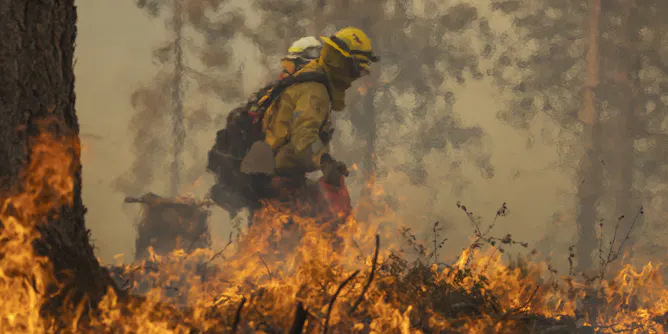
Wildland firefighters face heat from the environment, the fire and their own bodies as they work long, exhausting hours. The head of Purdue’s fire lab explains the health risks and what can help.
Articles on US Forest Service
Displaying all articles
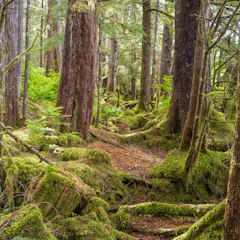
The courts have rejected similar arguments before. Meanwhile, maintenance costs are rising, and the Forest Service’s own data contradicts the administration’s wildfire claims.
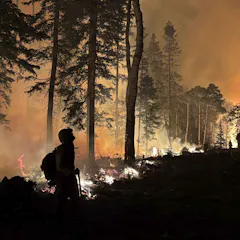
The Trump administration and members of Congress propose cutting environmental reviews and public involvement to boost logging. But data show reviews aren’t the problem.
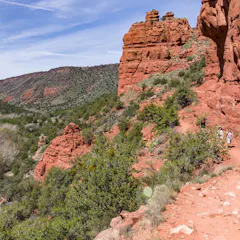
Thanks to the power of writer Wallace Stegner, Americans have for decades been able to put words to the importance wilderness holds in the nation’s history and imagination.
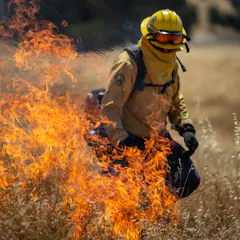
Uncertainty from Washington along with staff and budget cuts have created turmoil for the US Forest Service’s fire management efforts.
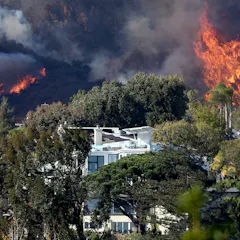
In many parts of the US, Americans must learn to live with fire. That means careful decisions on where homes are built and what’s around them, and allowing more low-risk fires to burn.
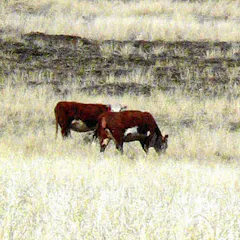
That delay can tip ranchers’ finances into the red. While the land needs time to recover, studies raise questions about whether two years is really necessary.

A new study offers a rare window into the hidden effects of aggressive fire suppression that go beyond fuel accumulation. The practice may even change the course of forest evolution.
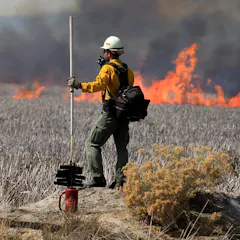
A hot, dry summer on the heels of a wet winter raises the risk of wildfires.
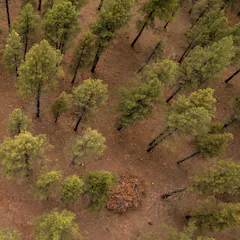
Forest thinning and controlled burns take away fuel for fires, but the US can only treat so many acres. Which ones to choose?
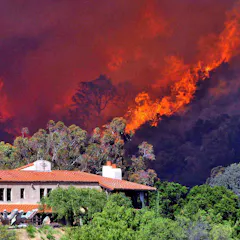
Adapting to our fiery future means preparing for the risks and not putting out every low-risk wildfire, writes the author of a new book on learning to live with fire.

After another devastating wildfire year in the West, the Biden administration has a plan to ramp up forest thinning and prescribed burns. Two foresters explain why these projects are so important.
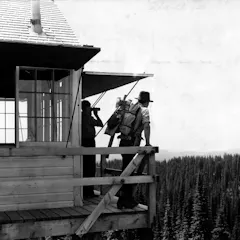
The US has learned that it cannot suppress its way to a healthy relationship with fire in the West. That strategy failed, even before climate change proved it to be no strategy at all.
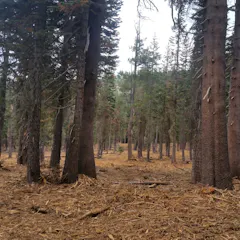
Restoring western forests – thinning out small trees and dead wood – is an important strategy for reducing the risk of massive wildfires. But these projects aren’t fast, easy or cheap.

Conservation or copper? A proposed mine in northern Minnesota pits industrial jobs against a thriving outdoor economy.

Debating whether climate change or forest management has caused the devastating wildfires in California, Washington and Oregon is a false choice.
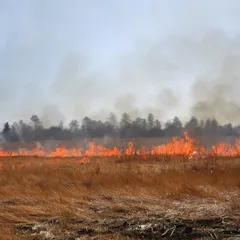
Decades of wildfire suppression have allowed flammable fuels to pile up in US forests. Scientists and managers say careful use of planned fires can reduce risks of large, out-of-control burns.

Wildland firefighting has always been a risky job, but development in fire-prone areas is making it more dangerous by putting forest firefighters in situations they are not equipped or trained for.
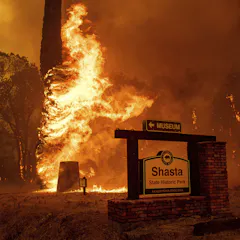
Climate change, development, past forest management policies and current firefighting practices are creating conditions for large, costly wildfires.
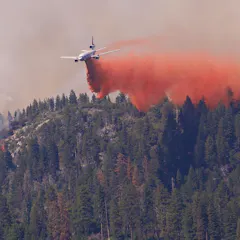
A perfect storm of climate, forestry, development and fire management trends are driving up the costs of fighting wildfires.
Top contributors
-

Sr. Associate Vice President for Research and Research Professor, University of Oregon
-
Professor of Forest and Natural Resource Policy, Colorado State University
-
Professor of Marketing, University of Montana
-
University of California, Merced
-
Postdoctoral fellow, US Forest Service, Pacific Southwest Research Station, Agricultural Research Service, USDA
-
Assistant Professor of History, University of Oregon
-
Associate Director of the Huntington-USC Institute on California and The West, USC Dornsife College of Letters, Arts and Sciences
-
Professor of History, USC Dornsife College of Letters, Arts and Sciences
-
Cooperative Extension Forester and Natural Resources Advisor, University of California, Division of Agriculture and Natural Resources
-
Distinguished Professor of Engineering, University of California, Merced
-
Professor of Engineering, University of California, Merced
-
Cooperative Extension Forester and Natural Resources Advisor, University of California, Division of Agriculture and Natural Resources
-
Associate Professor of Forest and Rangeland Stewardship, Colorado State University
-
Postdoctoral Research Fellow, University of Montana
-
Professor of Forest Ecology, University of Montana