
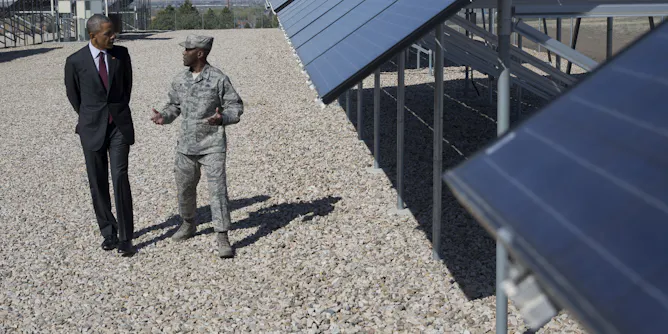
The Trump administration has the tools to slow the momentum Obama started on clean energy. Countering Trump are global market forces and state-level action.
Articles on US energy policy
Displaying 81 - 100 of 119 articles
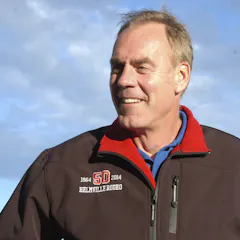
If US Rep. Ryan Zinke of Montana is confirmed as interior secretary, he will face difficult choices about balancing extractive activities like energy production with conservation on public lands.
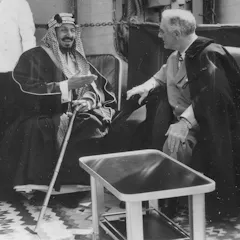
Big Oil has historically played a behind-the-scenes role on American policy and politics. No longer.
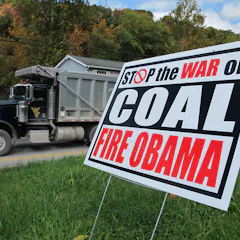
Scholars of communications pick apart the rhetoric behind the ‘war on coal’ and explain why it ultimately benefits the coal industry.

President Obama used an obscure 1953 law to bar offshore drilling in Arctic Alaska and along the Atlantic coast. Republicans and energy companies want to reverse the ban, but it will not be easy.

Economists have shown, using both theory and data, that uncertainty about U.S. environmental policies makes clean tech innovation less likely.

Former Texas Gov. Rick Perry has experience with energy, but if confirmed as secretary of energy, he should get ready to learn a lot about DOE’s big jobs: nuclear security and basic science research.
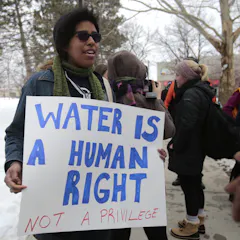
The hostility of Scott Pruitt, Trump’s nominee to head the EPA, toward climate change rules is well-known. But his anti-regulatory stance could easily set back years of work on environmental justice.

The protesters have scored a big victory in the Dakota Access Pipeline conflict, but it’s served only to illuminate the sharp divisions over energy policy in the US.
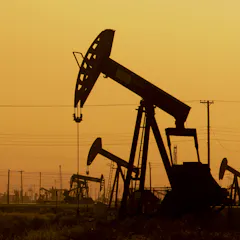
An America that drills more, and imports less, could mean Opec no longer gets to call the shots.
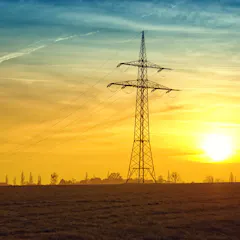
The ‘war on coal’ is not really a result of onerous regulations but a combination of market forces over which a Trump administration has limited control.
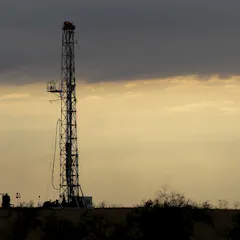
President-elect Trump’s objective on energy and climate is clear: Undo Obama’s legacy of environmental regulations and massively expand fossil fuel production.
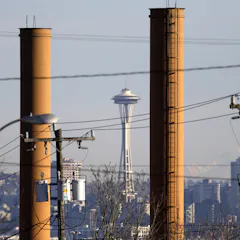
Washington state’s plan to create a carbon tax would make it a climate leader, but local environmental groups are fighting it. What gives?
What are the crucial energy and climate policy questions facing the next president? Our academics weigh in.
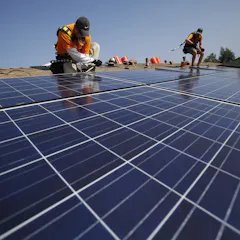
Will government policy to promote clean energy be disastrous or a boon? A close look at the 2009 stimulus, which plowed $90 billion into energy, can tell us a lot.
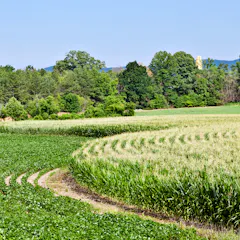
A new study challenges the longstanding view that biofuels are carbon-neutral, and asserts that in the U.S. to date, they have done more harm to the climate than gasoline.
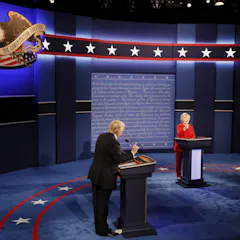
Trump is following in Ronald Reagan’s footsteps by pushing against regulations, but in the 1980s, it only awakened the public to environmental concerns.
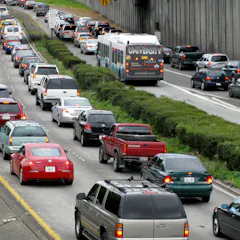
Many people thought U.S. gasoline consumption had already peaked. They were wrong. What happened?
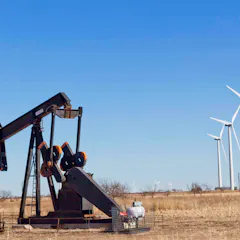
Presidential candidates need to talk more about energy and address a tough question: what does the government do well on energy policy and what it should stay out of?
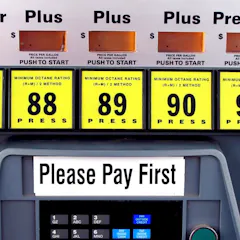
A fight’s breaking out over who should pay subsidies for corn ethanol, and it is consumers who may end up paying for any changes.
Top contributors
-

Josey Centennial Professor of Energy Resources, The University of Texas at Austin
-
Lecturer in International Studies, University of Washington
-
Research Scientist, The University of Texas at Austin
-
Director, Energy, Climate Justice, and Sustainability Lab, and Research Professor, New York University; Tufts University
-
Professor at the Haas School of Business, University of California, Berkeley
-
Assistant Professor of Energy Resource Economics, State University of New York College of Environmental Science and Forestry
-
Professor of Energy and Environmental Economics and International Affairs, Penn State
-
Senior Scientist, Lawrence Berkeley National Laboratory
-
Affiliate, Electricity Markets & Policy Group, Lawrence Berkeley National Laboratory
-
Professor, Texas A&M University
-
W. M. Keck Professor of Environmental Analysis and History, Pomona College
-
Senior research associate (Resources for the Future), Lecturer (University of Michigan Ford School of Public Policy), University of Michigan
-
Research Professor Emeritus, University of Michigan
-
Professor of Climate Justice, Maynooth University
-
Director, Center for the New Energy Economy, Colorado State University