
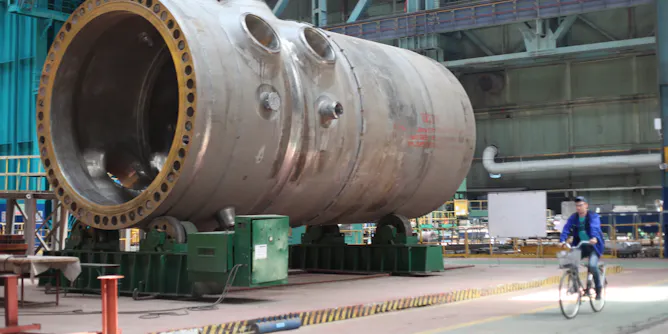
Russia isn’t a major producer of uranium, but it handles a large share of the steps that turn it into nuclear fuel. That makes it a major player in this globalized industry.
Articles on US energy policy
Displaying 21 - 40 of 119 articles
Oil revenues are crucial to Russia’s economy. The US only accounts for a small fraction of them, so banning Russian oil imports has mainly symbolic value.
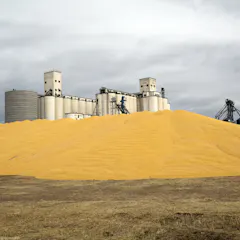
The US has required motor fuels to contain 10% biofuels since 2005. As this program nears a key milestone in 2022, farm advocates want to expand it while critics want to pare it back or repeal it.
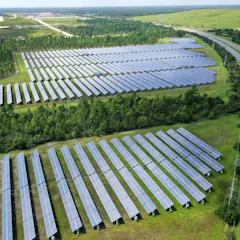
President Biden’s proposed solar power expansion would cost $350 billion in federal support over the coming decade. An energy expert explains where that money would come from and who it would help.

A decade ago, solar power was a tiny sliver of the US energy supply. Today it’s expanding rapidly – and the Biden administration wants to make it much, much bigger.
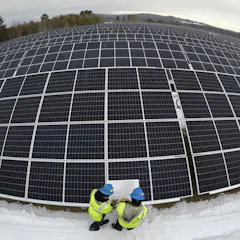
The US is generating more electricity than ever from wind and solar power – but often it’s not needed at the time it’s produced. Advanced energy storage technologies make that power available 24/7.
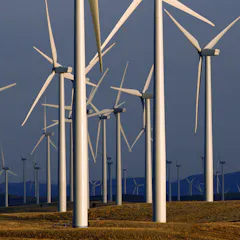
Fifteen years ago electric power generation was the largest source of US greenhouse gas emissions. Now the power sector is leading the shift to a clean energy economy.

Solar power doesn’t have to be just for the wealthy anymore. With the right kind of financial incentives, households at all income levels can benefit from affordable clean energy.
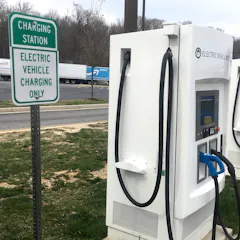
Joe Biden has sweeping plans for a clean energy revolution. Congress will be a big speed bump, but it can’t block everything.
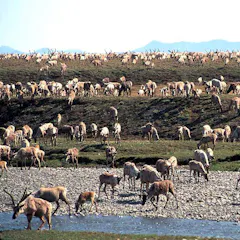
The Trump administration is opening the Arctic National Wildlife Refuge to oil and gas leasing – a step that’s as much about politics as it is about energy.
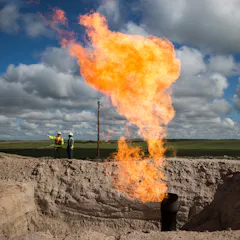
Flaring, or burning, waste gas from energy production has sharply increased over the past decade. It wastes usable fuel, pollutes the air, and helps drive climate change.
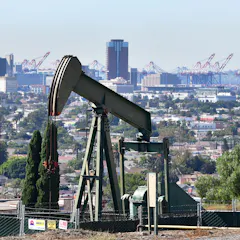
A new study finds an association between living near active oil and gas wells in California and low birth-weight infants, adding to findings elsewhere on health risks from oil and gas production.
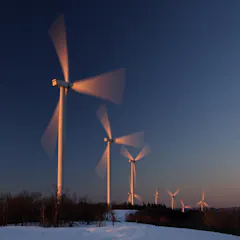
How should the United States power its economy in 2050? A recent survey finds surprising agreement from Americans of all political stripes.

The Deepwater Horizon disaster set new records for holding polluters to account. But it had much less impact on laws regulating offshore drilling or US oil dependence.
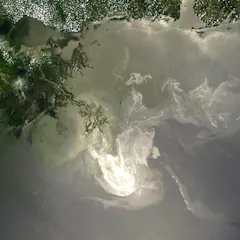
The BP Deepwater Horizon blowout on April 20, 2010 triggered the largest offshore oil spill in history. Ten years later, post-spill reforms are being undone and the Gulf of Mexico remains vulnerable.
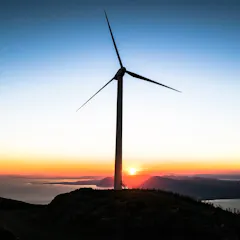
The US President pledged ambitious growth in the fossil fuel industry on his 2016 campaign trail – but new data shows that the green economy was already growing almost three times as fast.
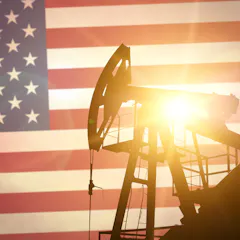
The Trump Whitehouse’s weaponising of words has won them many battles – but whether ‘molecules of US freedom’ are aimed at foreign buyers or domestic supporters, this marketing ploy misses the mark.
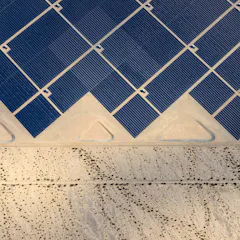
Solar and wind can’t deliver power on demand. But overbuilding solar and wind, and simply dumping unneeded energy, would go a long way to smoothing out those bumps, study finds.
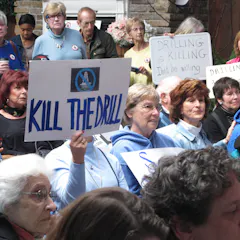
The Trump administration plan to expand offshore oil and gas production along US coastlines faces serious roadblocks. But there are smarter ways to pursue ‘energy dominance.’
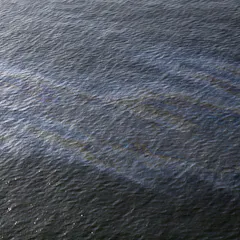
In 2004 an underwater avalanche destroyed an oil platform off Louisiana, causing a 14-year spill. An expert on oil and gas seeps in the Gulf of Mexico warns that this could happen in other places.
Top contributors
-

Josey Centennial Professor of Energy Resources, The University of Texas at Austin
-
Lecturer in International Studies, University of Washington
-
Research Scientist, The University of Texas at Austin
-
Director, Energy, Climate Justice, and Sustainability Lab, and Research Professor, New York University; Tufts University
-
Professor at the Haas School of Business, University of California, Berkeley
-
Assistant Professor of Energy Resource Economics, State University of New York College of Environmental Science and Forestry
-
Professor of Energy and Environmental Economics and International Affairs, Penn State
-
Senior Scientist, Lawrence Berkeley National Laboratory
-
Affiliate, Electricity Markets & Policy Group, Lawrence Berkeley National Laboratory
-
Professor, Texas A&M University
-
W. M. Keck Professor of Environmental Analysis and History, Pomona College
-
Senior research associate (Resources for the Future), Lecturer (University of Michigan Ford School of Public Policy), University of Michigan
-
Research Professor Emeritus, University of Michigan
-
Professor of Climate Justice, Maynooth University
-
Director, Center for the New Energy Economy, Colorado State University