
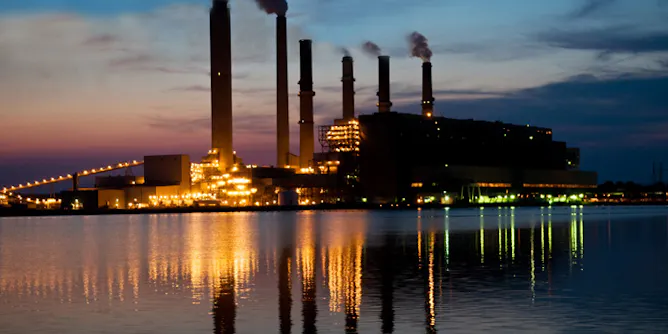
Trump’s energy plan may meet the letter of the law but the Affordable Clean Energy Plan reflects the administration’s clear agenda to move slowly or not at all on climate change.
Articles on US energy policy
Displaying 41 - 60 of 119 articles
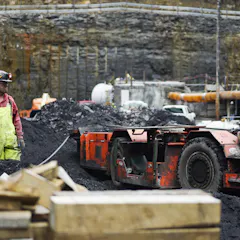
The Trump administration’s Affordable Clean Energy Plan would help the declining coal industry, but a study shows many coal workers could transition to a new industry – solar – and earn more money.
The Trump administration’s move to freeze fuel economy standards reflects a sea change in American energy policy first born during an era of oil shortages and environmental crises.
Law scholars from California unpack the legal questions raised by the Trump administration’s plan to roll back mileage standards and revoke California’s ability to set more stringent rules.
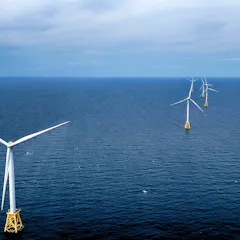
A recent survey of electric utility leaders finds that Trump administration efforts to promote coal energy and roll back air pollution regulations have had little impact on their long-range plans.
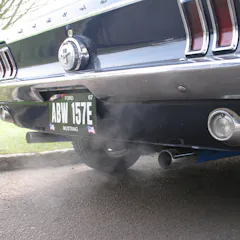
The Trump administration announced a plan to relax fuel economy standards, but well-designed regulations can drive clean car innovations that make U.S. industry globally competitive.
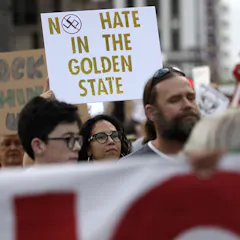
Defiant against Trump’s policies on immigration and environment, California finds itself defending its way of life – the California Dream itself.
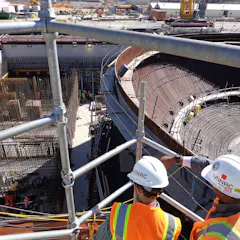
Nuclear power provides 60 percent of US carbon-free electricity generation, but existing plants are aging and only one is under construction. Should government intervene to keep nuclear energy in the mix?
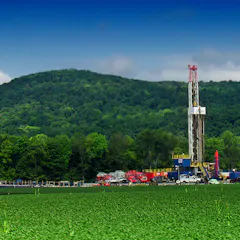
Natural gas is widely viewed as a clean fuel, but methane, its main component, is a powerful greenhouse gas. Two experts propose a plan for detecting and cutting methane leaks across North America.

Fifty years after a major oil spill in Santa Barbara helped launch the environmental movement, Californians strongly oppose the Trump administration’s push to expand offshore drilling.
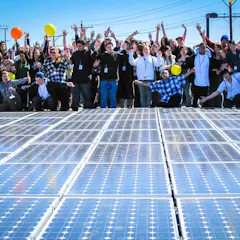
What’s at stake as the Trump administration imposes trade sanctions on imported solar panels? A look at the US solar energy industry, which generates more than twice as many jobs as coal energy.

The Federal Energy Regulatory Commission has rejected a Trump administration proposal to reward coal and nuclear power plants for storing fuel on-site, as a way to make the power system more reliable.
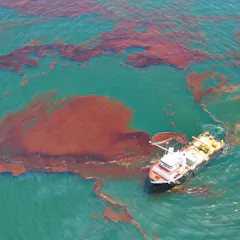
A scientist who served on a national commission to review the 2010 BP oil spill explains why Trump administration efforts to loosen offshore drilling regulation pose major risks for minor payoffs.
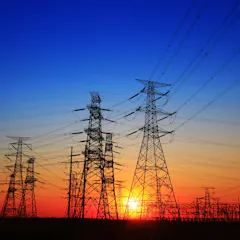
The Federal Energy Regulatory Commission normally works in obscurity, but is in the spotlight as it considers a proposal to support coal and nuclear power plants that are having trouble competing.
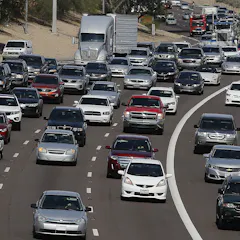
What if the world really got serious about meeting global climate goals? Doing the math on current emissions and the pace of energy transitions shows how quickly fossil fuels need to be phased out.

With better access to energy, women in developing nations could spend more time working or in school. But Energy Secretary Rick Perry’s claim that fossil fuels improve women’s lives misses the mark.
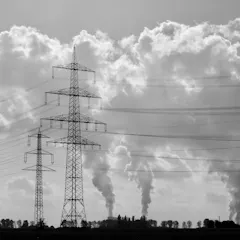
Two moves by the Trump administration signal a dramatic shift in energy policy to favor coal and nuclear, but markets forces and legal challenges mean changes could take years.
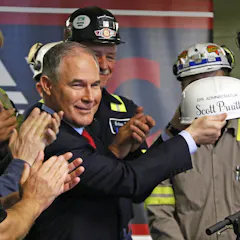
The Trump administration is committed to deregulating industry, as it’s done with the EPA Clean Power Plan. But a historian shows how regulations have actually benefited both industry and consumers.
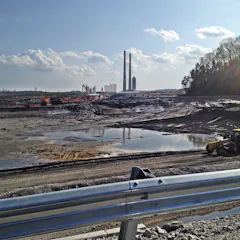
Rural development experts say the best way to help coal communities by is investing in people, infrastructure and a clean environment. Instead, President Trump’s budget cuts programs in these areas.
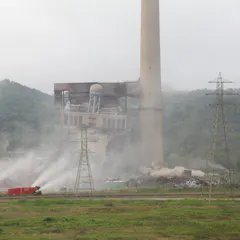
Energy Secretary Rick Perry has proposed to reward coal plants for stockpiling fuel onsite – allegedly making the power system more reliable. Two economists give this idea a failing grade.
Top contributors
-

Josey Centennial Professor of Energy Resources, The University of Texas at Austin
-
Lecturer in International Studies, University of Washington
-
Research Scientist, The University of Texas at Austin
-
Director, Energy, Climate Justice, and Sustainability Lab, and Research Professor, New York University; Tufts University
-
Professor at the Haas School of Business, University of California, Berkeley
-
Assistant Professor of Energy Resource Economics, State University of New York College of Environmental Science and Forestry
-
Professor of Energy and Environmental Economics and International Affairs, Penn State
-
Senior Scientist, Lawrence Berkeley National Laboratory
-
Affiliate, Electricity Markets & Policy Group, Lawrence Berkeley National Laboratory
-
Professor, Texas A&M University
-
W. M. Keck Professor of Environmental Analysis and History, Pomona College
-
Senior research associate (Resources for the Future), Lecturer (University of Michigan Ford School of Public Policy), University of Michigan
-
Research Professor Emeritus, University of Michigan
-
Professor of Climate Justice, Maynooth University
-
Director, Center for the New Energy Economy, Colorado State University