
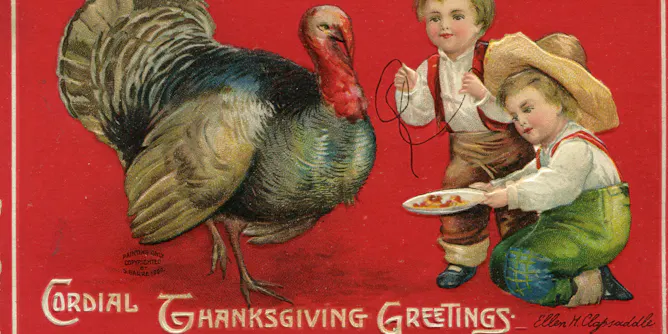
A mix of New England and British traditions and historical events led to the particular poultry you’ll find on Thanksgiving tables everywhere.
Articles on US Civil War
Displaying 41 - 60 of 116 articles

Lawmakers are seeking to downplay the role that slavery played in the development of the United States, but history tells a different story.
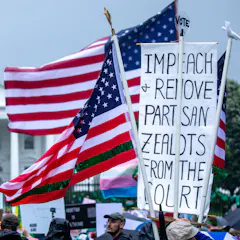
History shows that political contests over the ideological slant of the court are nothing new.
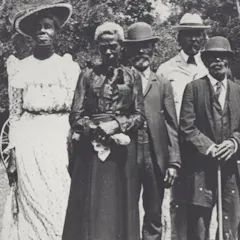
Known as Juneteenth in Texas, Emancipation Days symbolized America’s attempt to free the enslaved across the nation. But those days were unable to prevent new forms of economic slavery.
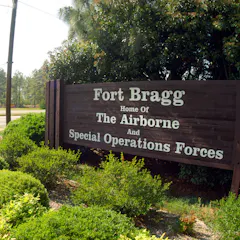
One of the last relics of ‘lost cause’ ideology is nearing its end as a federal panel has recommended renaming US military bases now honoring Confederate generals.
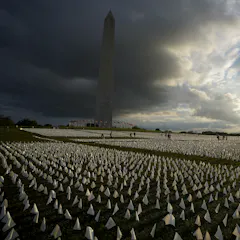
The Civil War – the second-most-deadly event in US history, just behind COVID-19 –contributed to lasting changes in how Americans care for the dead.
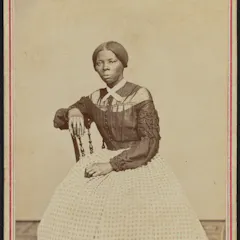
Harriet Tubman has long been known as a conductor on the Underground Railroad leading enslaved Black people to freedom. Less known is her role as a Union spy during the Civil War.
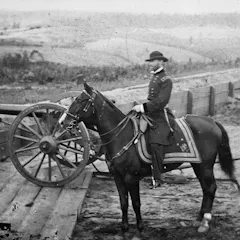
A career soldier and a careful scholar of the military profession, William Tecumseh Sherman knew that wars are part of human nature, and are unavoidably cruel and harsh.
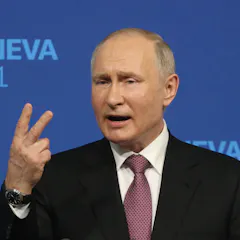
A military historian and U.S. Army veteran explains how wars are not easy to win – something political leaders often forget when looking at the calculus of conflict.

A historian explains how the US has used war bonds to both fund its wars and inspire patriotism among Americans.

Canada has unambiguously expressed its support for those wanting to fight for Ukraine. If even a fraction of Ukrainian-Canadians decide to do so, large numbers of Canadians could soon be in Ukraine.
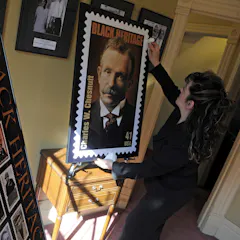
Black writers like Charles Chesnutt had to contend with a dilemma writers today know all too well: give the audience and editors what they want, or wallow in obscurity.
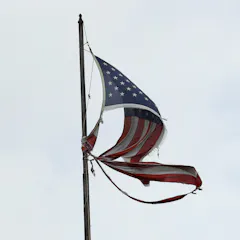
Despite growing public discussion of the risk of civil war in the US, a political violence scholar says widespread civil strife is unlikely to happen – but other political violence is more likely.
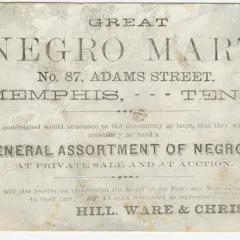
By the time slavery ended, over 1 million enslaved people had been forcibly moved in the domestic slave trade across state lines. Hundreds of thousands more were bought and sold within states.
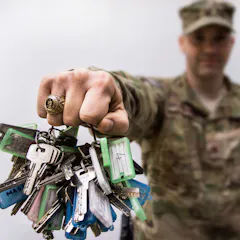
For much of the country’s history, Americans won their wars decisively, with the complete surrender of enemy forces and the home front’s perception of total victory.
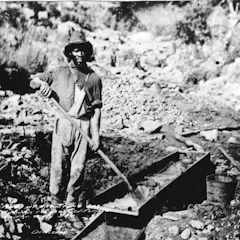
If you thought slavery in the US was confined to southern states, think again.
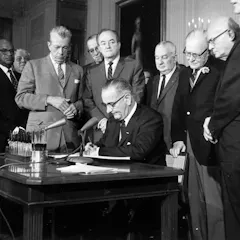
A scholar of race and racism explains what critical race theory is – and how many people get it wrong.

The most successful third parties in US politics don’t typically rise to dominance, but instead challenge the major parties enough to force a course correction.

Many Americans first heard of Elizabeth City, North Carolina, when protests began after Andrew Brown Jr. was killed by sheriff’s deputies. But the city has a long history of fighting racial injustice.
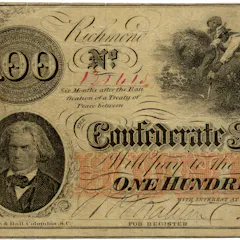
Confederate paper money was a promise to exchange the bill for gold or silver, but only after the Confederacy won the war.
Top contributors
-

Professor and Chair of History Department, Colorado State University
-
Associate professor emeritus, Journalism, Virginia Commonwealth University
-
Senior Lecturer in History, Heritage and Classics, Swansea University
-
Professor of History, Arizona State University
-
Assistant Professor of US History, Durham University
-
Professor of Literature and Director of Irish and Irish American Studies, College of Charleston
-
Williams Memorial Professor of Law, Northwestern University
-
Professor of History and Michael Douglas Dean of Humanities and Fine Arts, University of California, Santa Barbara
-
Anthropologist, Sterling Prof Political Science; Acting Dir Agrarian Studies, Yale University
-
Associate Professor of Business, Boston University
-
PhD Student, Department of History, University of Liverpool
-
Professor of Communication Arts and Sciences, Penn State
-
Maître de conférences, Université Paris-Est Créteil Val de Marne (UPEC)
-
Professeure en sciences de l’information et de la communication, Université Paris-Est Créteil Val de Marne (UPEC)
-
Associate Professor of English, Virginia Tech