
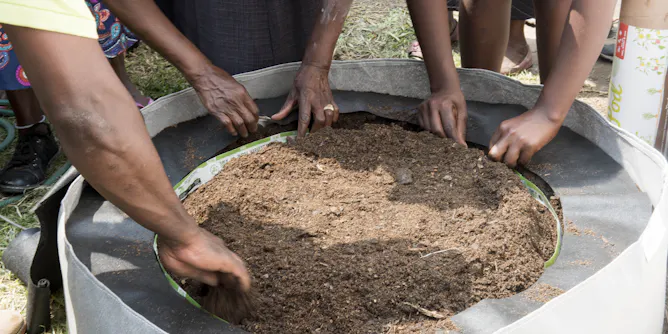
South Africa has problems with hunger and obesity and both are linked to malnutrition. But solutions like taxes, education, regulating food advertising and labelling can help the problem.
Articles on Urbanisation
Displaying 121 - 140 of 168 articles

New South African research supports evidence that urbanisation has a positive impact on people’s lives and must be managed appropriately for development.
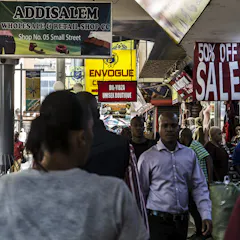
Johannesburg’s central business district is developing into a major cross border shopping hub, servicing the broader sub-Saharan region and has a potential to grow even further.

To tackle the increasing burden of diabetes in Africa, health systems on the continent need to be strengthened.
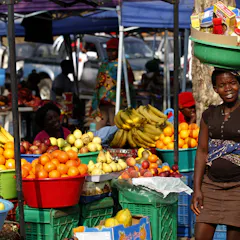
Most African cities are expensive, informal and non-industrial. This has produced unique socioeconomic and environmental risks that must be carefully considered in policy development.

The increase in cases of non-communicable diseases in developing countries has led to an emerging pattern of high levels of multimorbidity.

Although hypertension can easily be detected in Africa, up to half of the population are unaware of their condition.
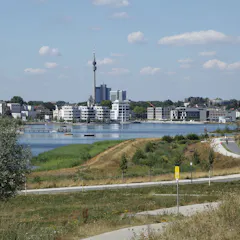
A former industrial region in the heart of Germany is slowly reinventing itself for the 21st century, offering urban planning lessons for Detroit and beyond.

The Southern African Development Community (SADC) roadmap towards greater regional trade integration and development is a good start but lacks detail.
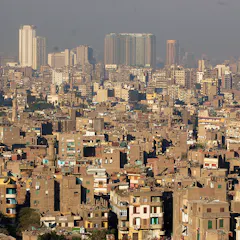
How can African research universities be more responsive to African countries’ needs? And how can these universities work together to leverage funding for research informed by African realities?

The trillions of dollars spent on infrastructure demands democratic transparency and accountability. This applies to both the investment and to the effects on cities, societies and the environment.

Toxic industrial processes put a distance between work, home and leisure. Now, in the post-industrial era, these functions are being reunited.
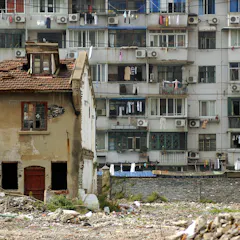
In a nation where urban living is the ultimate attainment, some households are bracing against the surging tide of development.
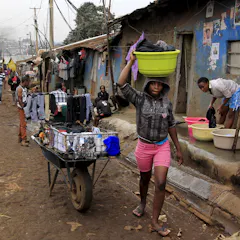
Despite increased global awareness about poor conditions in slums, the health of their inhabitants is a little studied phenomenon.

Athi-Kaputiei is close to Nairobi where undeveloped land is exceedingly scarce and expensive. This has made it a powerful magnet for people.

This global conference will set out how cities should develop over the next 20 years, tackling some of humankind’s toughest issues.

Here’s how social and political power can come together in cities, to counteract the focus on short-term profit.

Wrestling is Senegal’s national sport. But the presence of an ethnic discourse within the sporting arena may well threaten the notion of the multi-ethnic nation state.
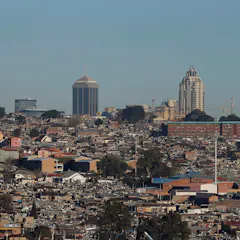
Populations revolt when lives are improving but not fast enough to meet their rising expectations.

From its earliest days as a haven for refugees, Shanghai developed a distinctive character and urban identity that have driven its emergence as one of the world’s great metropolises.
Top contributors
-

Research associate at African Centre for Cities, University of Cape Town
-
Professor School of Architecture and Planning, University of the Witwatersrand
-
Associate Professor at the Southern Centre for Inequality Studies, University of the Witwatersrand
-
Teaching Assistant Professor, University of Pittsburg and Visiting Associate Professor, The University of Osaka, University of Pittsburgh
-
Research Active Lecturer, Discipline of Psychology, Charles Darwin University, Charles Darwin University
-
Research Associate, MRC Epidemiology Unit, University of Cambridge
-
Guest Lecturer, Climate Change Economics, University of Oxford & Director, Climate and Sustainability Programme, ODI Global
-
Distinguished Research Fellow, Human Sciences Research Council
-
Head of Urbanisation and Wellbeing, African Population and Health Research Center, African Population and Health Research Center
-
Medical Entomologist at the School of Biological Sciences, University of Nairobi
-
Research Scholar, Center for Sustainable Urban Development, Climate School, Columbia University
-
Associate professor, Uppsala University
-
Professor, University of the Witwatersrand
-
Professor of Development Planning, UCL
-
Assistant professor, University of San Francisco