
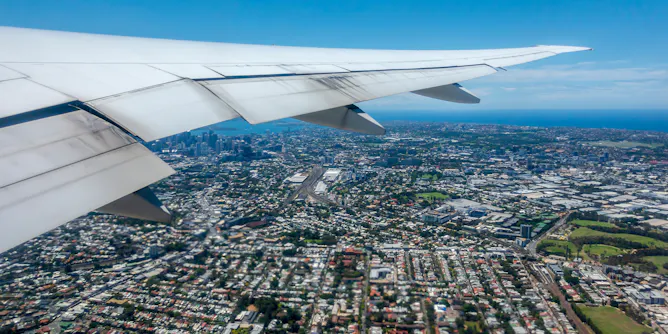
Seen from above, parts of our cities now have very little green space, and we’re losing the green corridors that enable wildlife to move between the remaining urban habitats.
Articles on Urban trees
Displaying 21 - 40 of 45 articles
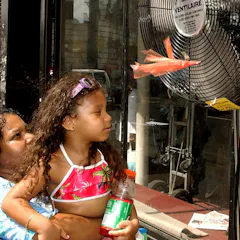
Extreme heat waves are putting lives in danger, with some of the hottest urban neighborhoods 10 degrees hotter or more than their wealthier neighbors. Often, these are communities of color.

Two urban policy experts explain why taking down highways that have isolated low-income and minority neighborhoods for decades is an important part of the pending infrastructure bill.
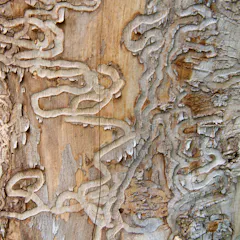
Biological control strategies curb pests using other species that attack the invader. A biologist explains why it can take more than a decade to develop an effective biological control program.
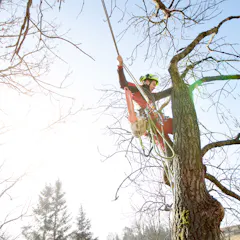
As a tree scientist who works with urban trees, I can assure you some large, old trees are well worth leaving alone, even you find them annoying sometimes.
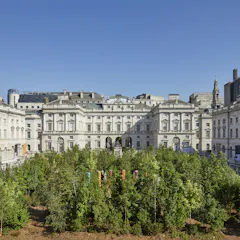
All symmetrical lines and strict proportions, Enlightenment architecture believed that nature got in the way of reason.
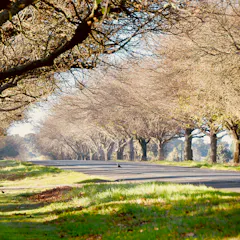
Avenues of Honour were planted to remind us of the sacrifice and suffering of our servicemen and women. But as the years wore on, many declined or disappeared.
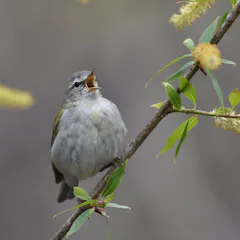
Cities are danger zones for migrating birds, but there are ways to help feathered visitors pass through more safely
We must re-establish contact between our cities and the natural world.

Sleep might be a key factor in the link between greener neighbourhoods and better health. A new study shows living in an area with more tree canopy improves people’s odds of getting enough sleep.
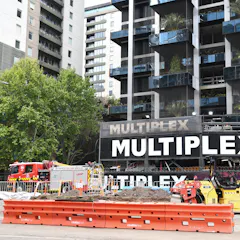
Inner Melbourne alone has lost 2,000 street trees to major developments within a decade. Losing tree cover makes it even more difficult for our cities to cope with an increasingly tough climate.
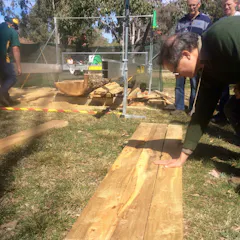
City trees are often short-lived and many others get cut down in their prime. Turning them into mulch both wastes timber and releases stored carbon. A wood rescue program creates a more fitting legacy.
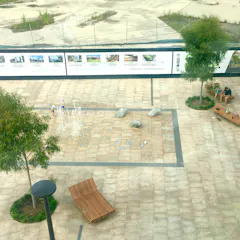
Trees and the shade they provide are one of the best ways of cooling cities. But they also present challenges that are best resolved by managing this shared resource as part of an urban commons.
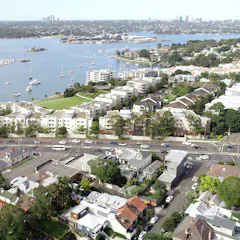
Greater urban density is making it harder to preserve, let alone increase, tree cover. It’s vital, then, to demonstrate the full value of green infrastructure for healthy liveable cities.
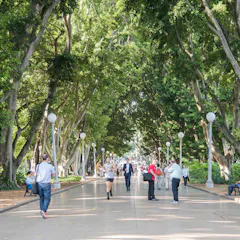
Cities around Australia have plans to increase their green space, but new research shows not all green spaces are equal. Good tree cover is better than grassed areas for residents’ mental health.

Thirty tree species make up more than half of Australia’s urban forests. Some won’t survive climate change, so cities must plant a more diverse mix of the right species to preserve their tree cover.
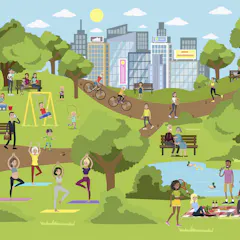
Some parks reduce violence in the local vicinity. Other parks attract crime. The difference has to do with how these urban green spaces are designed, programmed and managed, experts say.
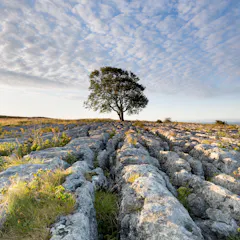
A new study has calculated the tremendous cost of ash dieback to the UK economy.

Not all of the solutions to the climate and ecological crisis have to be painful.
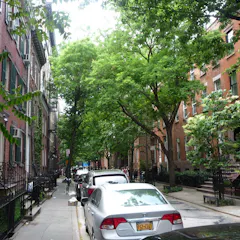
Trees clean urban air, store carbon, slow floodwaters and can be used to design safer streets. Scholars are starting to calculate what these services are worth – a fitting topic for Arbor Day.
Top contributors
-

Senior Research Associate, School of Agriculture, Food and Ecosystem Sciences, The University of Melbourne
-
National Technical Executive in Ecology at WSP Australia Pty Ltd. Adjunct Associate Professor, School of BioSciences, The University of Melbourne
-
Honorary Associate Professor, Forest Measurement and Management, Fenner School of Environment and Society, Australian National University
-
Professor of Ecology and Associate Director, Hawkesbury Institute for the Environment, Western Sydney University
-
Lecturer, Bangor University
-
Professor and ARC Future Fellow, Hawkesbury Institute for the Environment, Western Sydney University
-
Professor of Urban Health and Environment, UNSW
-
Professor of Cities and Planetary Health, ARC Future Fellow in nature-based solutions for loneliness, University of Sydney
-
Senior Lecturer in Urban Planning, University of Auckland, Waipapa Taumata Rau
-
Senior Lecturer, Macquarie University
-
Senior Researcher in Ecology & Biostatistics (CNRS), Université de Picardie Jules Verne (UPJV)
-
Professor of Practice, School of Architecture and Built Environment, University of Newcastle
-
Distinguished Professor, Director of Smart Green Cities, Macquarie University
-
Assistant Professor, North Carolina State University
-
Spatial analyst, Macquarie University