
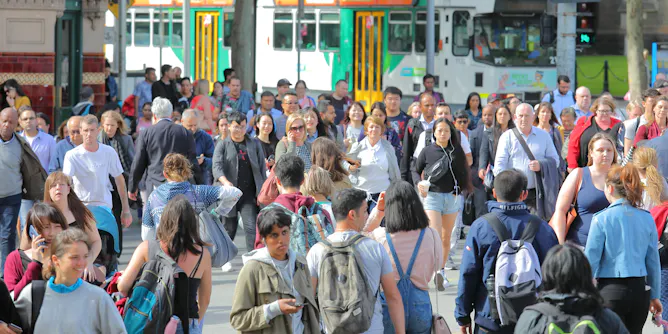
Capital city populations are growing twice as fast as the rest of Australia, because of the employment and business opportunities and lifestyle on offer to both new migrants and long-term residents.
Articles on Urban growth
Displaying 21 - 37 of 37 articles

City fringe foodbowls supply much of our fresh produce and can increase climate resilience by making better use of wastewater and organic waste. A new roadmap outlines how to protect these foodbowls.
The Canadian immigration model shows that giving states and territories a say in immigration policy can help take the pressure off major urban areas.
Urban growth has had much less impact on commuting distances and times than media reports would suggest. The explanations include jobs being widely dispersed and residents’ adaptable decision-making.

The largest cities in Australia and the US are both the richest and the most likely to push out low-income earners. Having cities of all sizes will increase people’s choices of where to live and work.
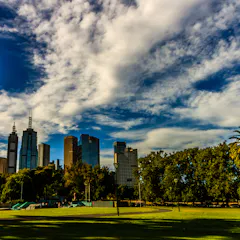
Australian cities are experiencing the third big wave of growth in their history. The response in the past was planning and investment in green infrastructure, and it’s time to do the same again.
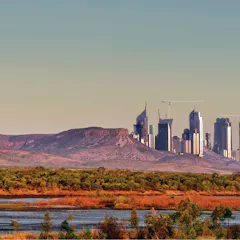
Business-as-usual projections assume our four biggest cities must absorb three-quarters of Australia’s population growth over the next 30 years. Might new cities be a better way to deal with it?
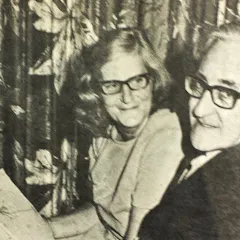
Ruth and Maurie Crow were early advocates of the compact city. They also warned 50 years ago that a clear justice intent was needed to shape cities for their citizens rather than vested interests.
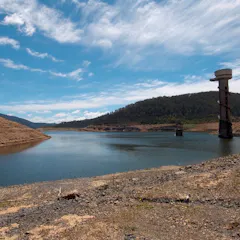
Australian cities have turned to some very costly solutions when water is scarce. But as the world’s second-highest users of water per person, more efficient use and recycling are key.

A new project documents who uses urban industrial lands slated for redevelopment. It reveals a vibrant but largely hidden sector at the interface between creative industries and small manufacturing.
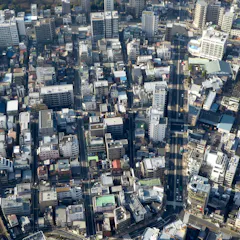
Tokyo has experienced extraordinary population growth but is among the world’s most liveable cities. Just how has it managed the pressures of growth?
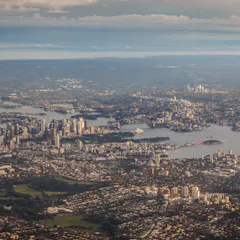
Financial benefits are behind the development industry’s push for a continuous rapid population growth. But our poorly planned cities are ill-prepared and already struggling.
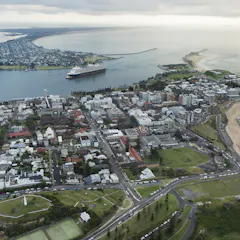
Australia has few places to capture the spill-over of talented workers priced out of the big cities. Some may leave the country altogether – and where talent goes, capital flows.
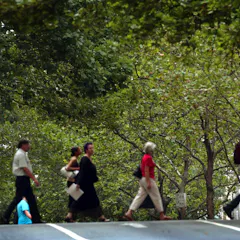
Greening cities that are becoming denser is a major challenge. City-dwellers’ health benefits from both well-designed green spaces and urban density, so we must manage the tensions between them.
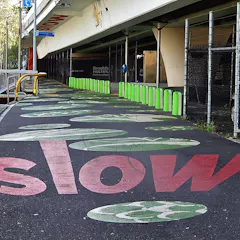
Smart cities are usually optimised like a business for speed and efficiency. Placemaking can slow down cities to improve health and wellbeing and promote more democratic engagement of citizens.
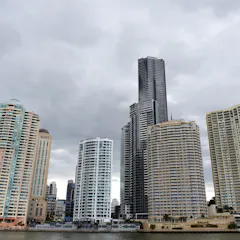
Research suggests stakeholders’ understandings of urban consolidation vary. And they often subvert policies to suit their own ends.
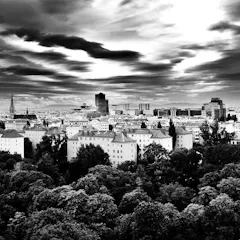
Australia’s growing cities face a shortage of urban parks. Often, the provision of parks is seen only as planning compliance or an accessory.
Top contributors
-

Associate Professor in Environmental Science, Western Sydney University
-
Research associate, The University of Melbourne
-
Professor of Social Economics, UTS Business School, University of Technology Sydney
-
Head of School of Landscape Architecture and Senior Lecturer in Landscape Planning, Lincoln University, New Zealand
-
Professor and Director of Urban Planning & Design, Monash University
-
Senior Research Fellow, Healthy Liveable Cities Group, Centre for Urban Research, RMIT University
-
Professor of Strategic Design, Queensland University of Technology
-
Senior Lecturer in Urban and Environmental Planning, Griffith University
-
Innovation Fellow and Senior Lecturer, School of Architecture, University of Technology Sydney
-
Deputy Director, Australian Urban Design Research Centre, The University of Western Australia
-
Senior Lecturer, School of Built Environment, University of Technology Sydney
-
Honorary Associate Professor in Planning, University of Queensland, University of Sydney
-
Professor, Director Australian Urban Observatory, Centre for Urban Research, RMIT University
-
Transport and Cities Program Director, Grattan Institute
-
Australian Laureate Fellow, University of Sydney