
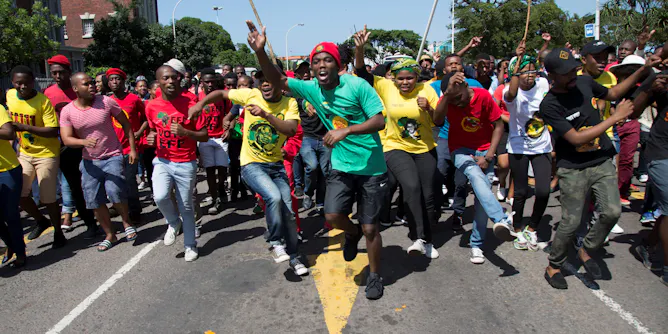
There is a very real risk that South Africa’s major research projects will stumble and the whole research machine will be shut down by ongoing student protests.
Articles on University fees
Displaying 41 - 60 of 90 articles
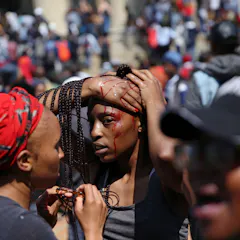
Protest movements become radicalised by two factors: escalating policing and competitive escalation between political adversaries and other protesting groups.
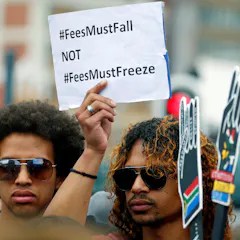
Higher education is a resource intensive enterprise. It cannot effectively function without a massive injection of resources in a sustained and escalated manner.
There is no such thing as ‘free higher education’. Someone has to pay. And the reality is that low, or no tuition fees benefit middle and high-income families.
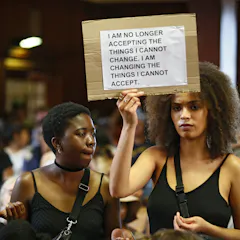
South Africa’s higher education minister has dealt with fee increments for 2017 but sidestepped students’ fundamental issue: an ongoing call to make higher education free for all.

South Africa must examine how science funding is allocated to universities. It also needs to acknowledge that not all universities should be focusing on research and development.

After almost a decade of failed processes to reform the current funding system, the government must produce a revised system that improves the quality of outcomes for students in all courses.
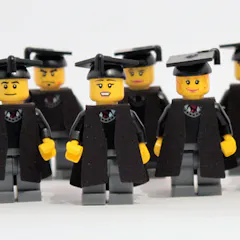
Students currently pay higher fees for courses that lead to jobs with typically higher wages. But not all students find, or want, a job in their area of study. Should all students then pay the same amount for their university degree?
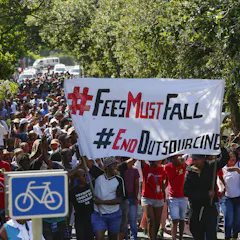
South African students’ demands for free university education are not going away. Nor are the country’s economic realities.
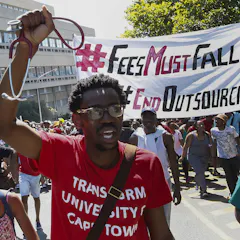
Free public higher education is possible and necessary. It’s also realistic, if it’s based on thorough research, consultation and students giving back through community service after graduation.
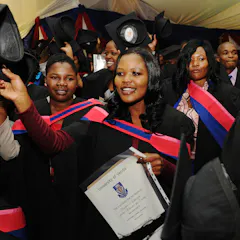
Student funding processes must be opened up to public scrutiny and participation if they’re to succeed.
The move by PNG’s Supreme Court to strike down the continued detention of asylum seekers on Manus Island carries danger for both the government and Labor.
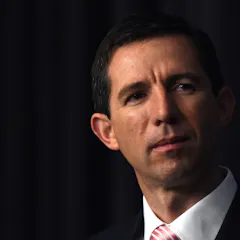
Education Minister Simon Birmingham has flagged that the government is still committed to reconsidering the balance between what students and governments pay for higher education.
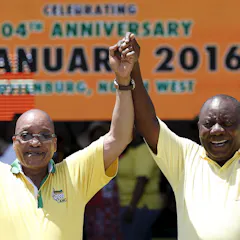
The ANC will be judged by its ability to deliver on its promises to provide basic services and good governance, practise sound financial management and combat corruption this election year.
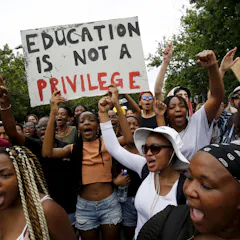
South Africa will need about R60 billion a year to rollout free university education. A tax on graduates seems to be a practical solution.
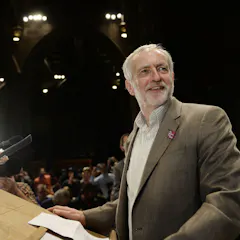
The Labour leader is hoping to recruit a new generation of activists in one of his party’s strongest cities.
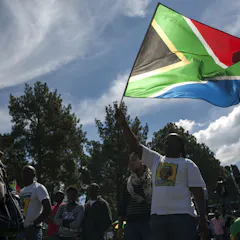
University students in South Africa have shown the potential of mass mobilisation to influence policy in advancing justice for their constitutional democratic rights.

For many students, stress about money is a terrible and unwelcome distraction from their degrees – qualifications they hope can lift themselves and their families out of poverty.
When funding imperatives dominate universities’ strategies, higher education loses sight of the work it ought to be doing: developing graduates who can make a real difference in the world.
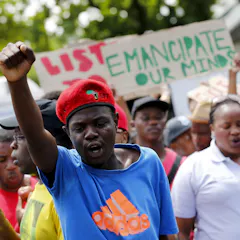
Student protests in South Africa, as well as an unrelated clash between lawyers, have offered a chance for the country to hear voices that are usually marginalised.
Top contributors
-

Professor of Higher Education Policy, Monash University
-
Professorial Fellow, University of Canberra
-
Associate Professor, Melbourne Centre for the Study of Higher Education, The University of Melbourne
-
Researcher, Social Sciences, University of Fort Hare
-
Director of the Centre for Education Rights and Transformation and Associate Professor of Education, University of Johannesburg
-
Senior Researcher in Labour Studies and Education, University of Johannesburg
-
Research Associate in Higher Education Policy and Planning, Ali Mazrui Centre for Higher Education Studies, University of Johannesburg
-
Chief Director: Tshwane University of Technology – Institute for Economic Research on Innovation; Node Head: DST/NRF SciSTIP CoE; and Professor Extraordinary: Stellenbosch University – Centre for Research on Evaluation, Science and Technology., Tshwane University of Technology
-
Professor of Higher Education, Rhodes University, South Africa, Rhodes University
-
PhD Scholar, Wits School of Education, University of the Witwatersrand
-
Researcher at the Centre for Integrated Post-School Education and Training, Nelson Mandela University
-
Professor of Education, Postgraduate School, University of Johannesburg
-
Professor, Sol Plaatje University
-
Teaching & Learning Specialist, Office of DVC Academic, University of the Western Cape
-
Professor of Sociology, University of the Witwatersrand