
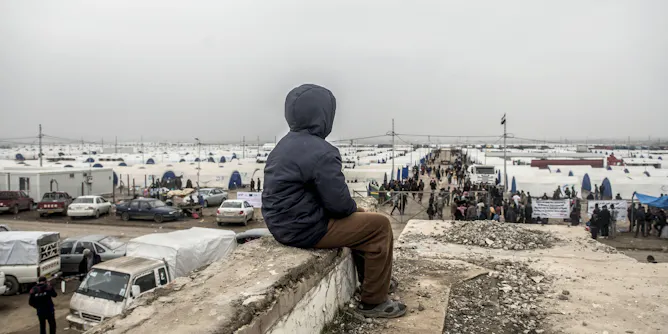
On the eve of the 30th anniversary of the UN Convention on the Rights of the Child, the human rights of child migrants rarely follow them when they cross borders.
Articles on UNICEF
Displaying 21 - 40 of 47 articles
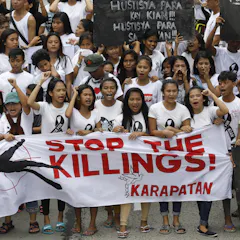
The UN’s new rights focus has the potential to overhaul the punitive nature of the war on drugs.
Laws in Mauritius allow minors to marry while some cultures on the island are tolerant of child marriage.

Children with disabilities face several challenges and need to be heard to make school infrastructure friendlier for them.
For the thousands of children who have left armed groups, education is crucial to their reintegration.
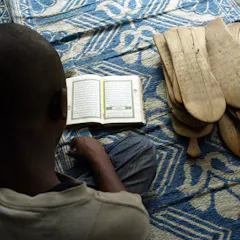
The assumption that children’s schooling decisions are mainly decided by their parents, and their fathers in particular, is not entirely accurate.
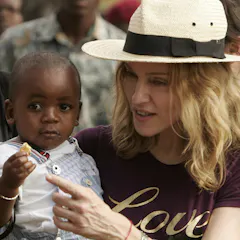
Voluntourists’ ability to change systems, alleviate poverty or provide support for vulnerable children is limited. They don’t have the skills and can perpetuate patronising and unhelpful ideas.

How do you teach empathy? Can it be in a way that foregrounds ancient, indigenous knowledge and practices? Design thinking might hold the answers.

A new education system in set to replace the 32-year-old 8-4-4 system which has come to symbolise much of what’s wrong with education in Kenya today.
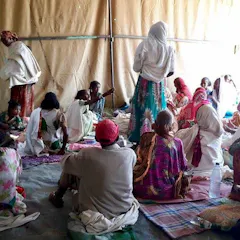
Eritreans are at risk of severe malnutrition – but aid agencies struggle to access those in need.
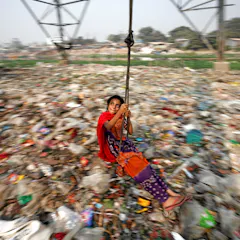
Bangladesh is a global poster child when it comes to improving women’s status in the developing and the Muslim worlds. But a recent amendment to the country’s marriage law threatens its progress.
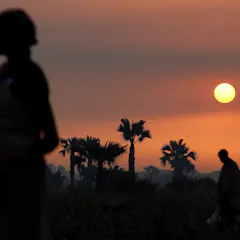
Nearly half of South Sudan’s population could be severely food insecure and at risk of death in the coming months because of the avoidable acts of civil war in a land of plenty.

Female genital mutilation is largely hidden in Australia and other high-income countries. But the United Nations says it is a global concern – and our research found it does affect girls here.

The developing world is waking up to the internet. We need to know how new generations of children use it.
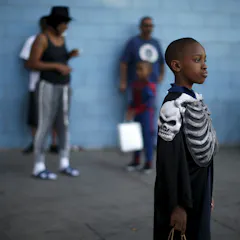
On the 20th anniversary of Bill Clinton’s promise to “end welfare as we know it,” a social work scholar asks why child poverty is still such a problem in the U.S. and what race has to do with it.
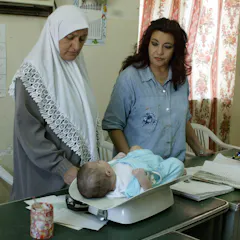
Most of the country’s 1,717 primary healthcare centres have no running water or electricity and the hospitals are ill-equipped and under-staffed.
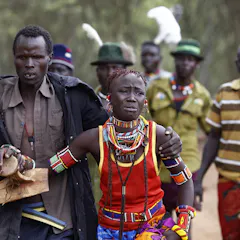
Education can be a powerful tool to stop the practice of child marriage. It empowers girls, and their success can ultimately boost their communities.

Female genital mutilation have long been carried out by traditional circumcisers in Indonesia. In recent years, the ritual has been increasingly institutionalised into medical practice.
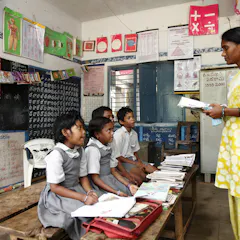
Hitting young children affects their grades as they grow up.
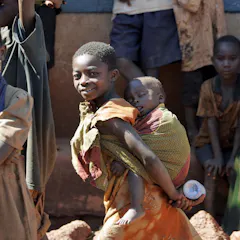
A UNICEF report says global progress on child survival and reducing poverty has left behind some of the world’s poorest children.
Top contributors
-

Professor of Law, University of Waikato
-
Post-doctoral Researcher, London School of Economics and Political Science
-
Director, Program Management and Research Operations of the Center for Social Well-Being and Development, Milken Institute School of Public Health, George Washington University
-
Distinguished Professor of Energy and the Environment, University of Delaware (USA); Honorary Professor, The University of Queensland
-
Professor of Development Economics, Monash University
-
Professor of Paediatrics and Child Health, University of Sydney
-
Research Scientist, African Population and Health Research Center
-
Professor of Psychiatry, Monash University
-
Director of Research, Australian Paediatric Surveillance Unit and Associate Professor Discipline of Child and Adolescent Health, University of Sydney
-
Researcher, Department of Social Policy & Social Work, University of York
-
Policy Officer, Young Lives Study, University of Oxford
-
Senior Research Fellow, Horn of Africa and Southern Africa, Institute of Commonwealth Studies, School of Advanced Study, University of London
-
Honorary Fellow, Department of Geography and Planning, Macquarie University
-
Assistant Professor of Anthropology, University of North Carolina – Charlotte
-
Associate Professor in the Milken Institute School of Public Health, Department of Anthropology, and Elliott School of International Affairs at the George Washington University, and Director of both the Avance Center for the Advancement of Immigrant/Refug, George Washington University