
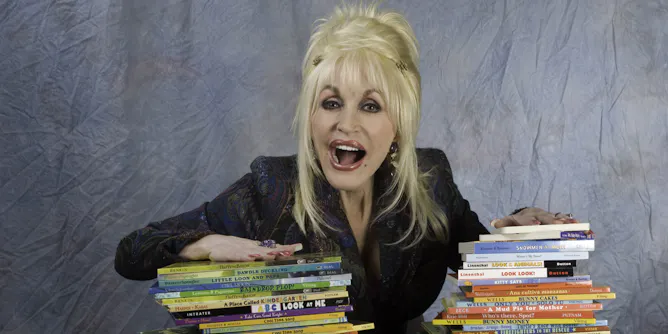
This free program mails an age-appropriate book monthly to each enrolled child from birth to age 5.
Articles on Child poverty
Displaying 1 - 20 of 109 articles

More than 15,000 families in Michigan have received cash support from Rx Kids. Participants say the program helps them pay bills and maintain their health.
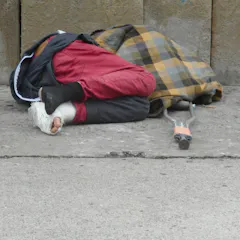
There’s a widening divide between two Canadas: one marked by working-class misery and homelessness; the other by the unprecedented prosperity of the uber-wealthy. This wealth gap is unsustainable.

A combination of Colorado state tax credits for low-income families is predicted to lift more than 50,000 children out of poverty.

New Zealand compares well on global measures of freedom, happiness and transparency. But rankings in some important areas, including climate, drag the averages down.

Four and a half million children are growing up without basic necessities in the UK.

Many people understand rural America through stereotypes. Two scholars who study rural communities bust 6 of those myths, complicating the conventional wisdom.
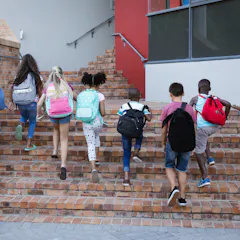
No recourse to public funds restrictions mean that families cannot access any benefits regardless of need.
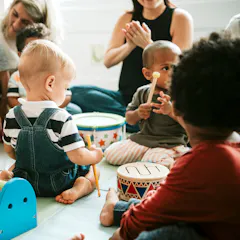
The Best Start initiative draws from the success of Sure Start, launched in 1999.

The two child limit and benefit cap leave many families living with extreme financial insecurity.

Tracking child poverty will be harder without a clear way to measure it.

Around 418 million children globally receive a free school meal.
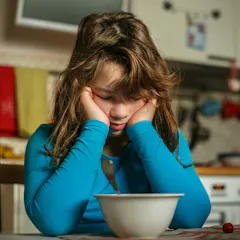
If the government is serious about tackling child poverty, their policy choices need to include the abolition of the two-child limit on benefits.
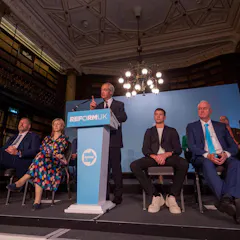
Social security policies have long been used as part of political strategising.
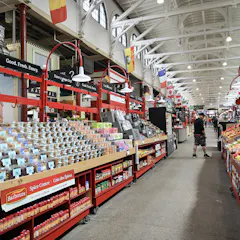
Parents and teachers in a southern Ontario survey conducted in the city of Hamilton and Peel Region spoke about their desires for an equitable and inclusive school food program.

Children need adults who are well enough to care for them and present enough to notice their struggles. A child development specialist offers four strategies parents can try to use, even when worn down.

Many parents we spoke to had resorted to using foodbanks or had cut back on food spending.

Teachers’ main justification for running a food bank was the moral imperative to support families who needed it.

Children are becoming poorer in the UK – more so than in other countries.
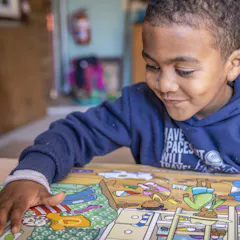
Ten years ago South Africa committed to invest in its young children. This vision has not been realised.
Top contributors
-

Director of the Roy McKenzie Centre for the Study of Families and Children, Te Herenga Waka — Victoria University of Wellington
-
Professor of Social Policy, University of York
-
Professor, Department of Social Policy, London School of Economics and Political Science
-
Distinguished Professor of Sociology and Public Policy, UMass Amherst
-
Chair professor, Glasgow Caledonian University
-
Professor of Law, University of Tennessee
-
Professor of Housing & Social Policy, HHAUS Housing, Homelessness & Urban Studies, Swinburne University of Technology
-
Professor of Public Policy and Economics, University of California, Berkeley
-
Professor of Law, University of Waikato
-
Reader in Food, Nutrition and Public Health, University of Westminster
-
Professor of Education and Social Policy; Director of the Institute for Policy Research, Northwestern University
-
Visiting Fellow, School of Policy Studies, University of Bristol
-
Honorary Associate Professor, Economic Policy Centre, Auckland Business School, University of Auckland, Waipapa Taumata Rau
-
Professor of Education and Public Policy, Durham University
-
Professor of Economics, University of Maryland; Director, Aspen Economic Strategy Group, University of Maryland