
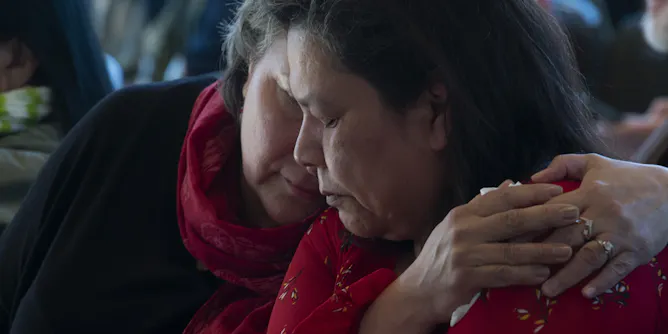
Canada is accepting claims emerging from a settlement with survivors of Indian day schools, but there has yet to be a public inquiry. There is an urgent need to hold Canada accountable.
Articles on Truth and Reconciliation in Canada
Displaying 21 - 40 of 44 articles
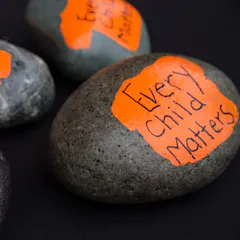
A study in one Alberta school board found racism contributes to poor attendance of on-reserve Indigenous students in public schools, despite educators not recognizing this as a barrier.
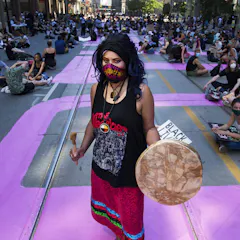
We have seen our ability to act in alignment with public health measures during the pandemic. People’s everyday actions could also make a difference in addressing systemic injustice.
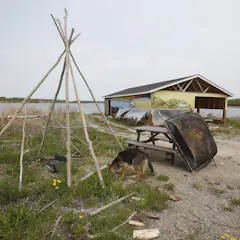
The COVID-19 pandemic crisis could represent an opportunity to live up to all the recent talk of reconciliation in Canada.

Indigenous land stewardship, resource extraction and corporate interests remain critical issues to addressing large-scale environmental concerns such as pollinator loss in Canada and beyond.
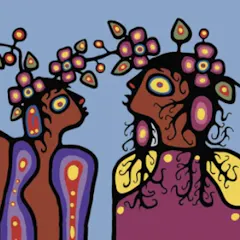
To understand the colonial past is to open the door to understanding the colonial present and future. This understanding is a crucial part of the pathway to real change.

The RCMP have long been responsible for violence against Indigenous people.

Impact benefit agreements between energy companies and First Nations are typically confidential. But documents suggest First Nations may be trading away their Aboriginal rights.
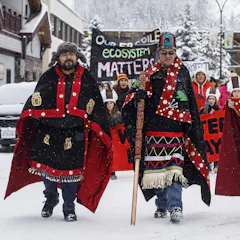
Reconciliation cannot be achieved by the brute force of the RCMP or the self-interests of energy companies.
The mainstream news media has been biased in its reporting and portrayal of Indigenous Peoples on stories about renewable energy projects. What and how can they do better?
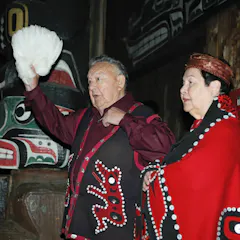
Ancestral Indigenous songs often encode territorial responsibilities and rights, such as in relationship with ‘lokiwey’ (coastal clam gardens) on the Pacific Northwest Coast.
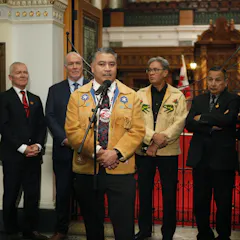
British Columbia recently introduced groundbreaking legislation to implement the rights of Indigenous Peoples. It’s impossible to overstate the importance of this historic achievement.
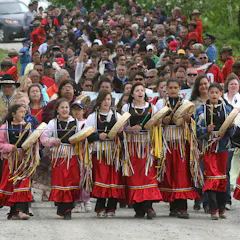
Memories can be powerful tools to address humanity’s most difficult political, sociological and environmental problems

A ‘shared decision-making’ model enables collaboration with Indigenous communities within Canada’s health-care system - to respond to TRC Calls to Action and address rising cancer rates.
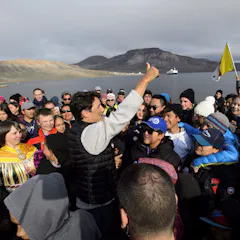
Based on tweets written by 735 candidates from Canada’s five major political parties, Indigenous issues are not on the national radar this election campaign. That’s both strange and short-sighted.
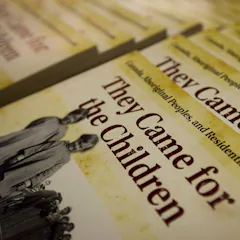
To make meaningful progress on the Truth and Reconciliation Commission of Canada’s Calls to Action, all provinces and territories should promptly follow B.C. and ban discriminatory ‘birth alerts.’
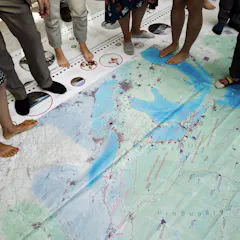
Decolonized education means working with settler teachers to overcome guilt and find the courage to acknowledge privilege, racism and colonialism to work in partnership for a better future.
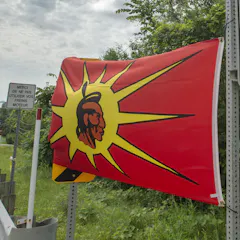
The federal government must intervene to resolve the ongoing land dispute and show it’s serious about reconciliation.
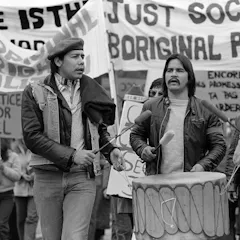
It’s the 12th anniversary of the UN Declaration on the Rights of Indigenous Peoples. Canada has yet to implement this declaration even though the TRC says the road to reconciliation needs to start here.
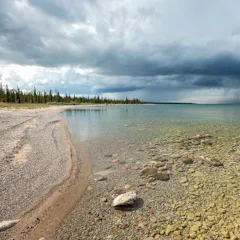
A holistic approach to conservation finds people have a place in the natural world and a responsibility to maintain it.
Top contributors
-

UN Expert Mechanism on the Rights of Indigenous Peoples (EMRIP) and Professor in Political Science, Global Affairs and Public Policy, University of Toronto
-
Professor in Archaeology, Simon Fraser University
-
Associate Professor of Religious Studies and Theological Studies, Conrad Grebel University College, University of Waterloo
-
Associate Professor, Departments of History and Indigenous Studies, University of Manitoba
-
Associate Professor, Peter A. Allard School of Law, University of British Columbia
-
Contributor to the special issue on Ethnobiology Through Song/CEO Ninogaad Knowledge Keepers Foundation/Board of Directors APTN, Indigenous Knowledge
-
-
Assistant Professor, Sociology Department, University of Lethbridge
-
Professor of Political Science, University of Guelph
-
Professor of Law, University of British Columbia
-
Associate Professor, Faculty of Environmental and Urban Change, York University, Canada
-
Professeure titulaire, directrice du programme en études autochtones, Université de Montréal
-
Professeur associé/Adjunct professor, École nationale d'administration publique, École nationale d'administration publique (ENAP)
-
Community research partner, Peguis First Nation
-
Professor of Law, University of British Columbia