

Tracking species relationships isn’t easy. Yet analysing 422 bird species across 1,410 locations offers far deeper insight, revealing the true depth of the evolutionary history at stake.
Articles on Tropics
Displaying 1 - 20 of 56 articles

In full sun, tropical leaves can become much hotter than the surrounding air. Their ability to cope can be a matter of life or death.
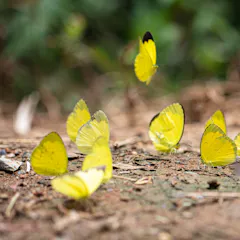
The research suggests the life-support system underpinning the tropics is at serious risk in a warmer world.
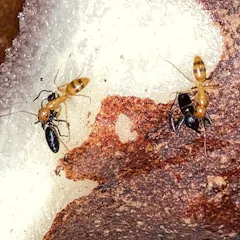
Squamellaria plants grow special structures to host the ants they symbiotically rely on for nutrients. Distinct compartments help different ant colonies live peacefully side by side.

Surf overtourism has led to conflicts over how beaches are used and concerns over social and environmental harms. But there are ways to address these issues.
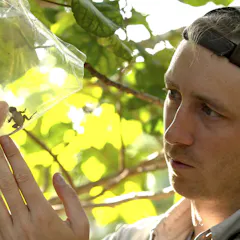
A decade of fieldwork is revealing how one of biology’s fundamental principles works in real time.
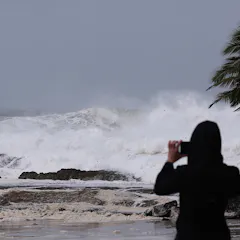
Warmer oceans, more rain and higher seas are likely to heighten Cyclone Alfred’s impact
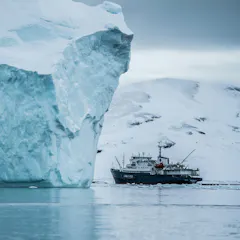
If the ocean circulation, known as AMOC, shuts down, it would be a climate disaster, particularly for Europe and North America. New research shows why that might not happen as soon as some fear.
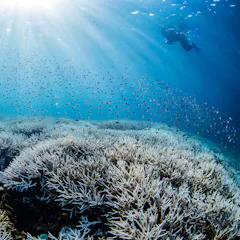
The Great Barrier Reef is facing its worst summer of sustained heat stress since the mass bleaching event of 1998, but now with less time to recover amid repeated brutal conditions.

Is there really a secret continent to Australia’s north? Not quite. The Maritime Continent is a region where hot seas and islands shape the world’s climate.
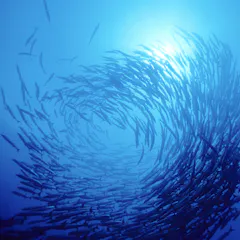
The ‘20°C effect’ could give us new insights into how temperature controls ecosystems and influences evolution – as well as how species might adapt to climate change.
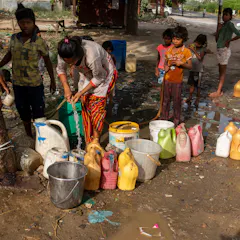
Most of the 1 billion people in informal settlements are in the tropics where the threat of humid heat is rising. Poor weather station coverage that misses local hotspots puts them even more at risk.

A new study reveals how the geography of global climates influences the rich patterns of species diversity in an ever-changing world.

Rhino rays, which are close relative of sharks, are some of the most fascinating – and most threatened – fishes that you’ve never heard of.
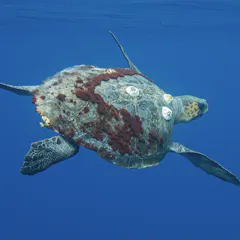
Standard marine protected areas with fixed boundaries can’t effectively shelter these ocean nomads.

High humidity, terrain and wind make rain forecasting particularly tricky in the tropics.

Invertebrates are “the little things that run the world”. So researchers decided to count all the ants on Earth, to help monitor how they’re coping with environmental challenges.

Tropical forests are one of humanity’s best hopes for slowing climate change.
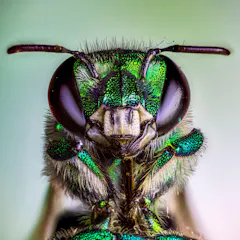
Insect numbers and species decline steeply where agriculture and habitat loss coincide. Preserving natural habitat can reduce losses up to nine-fold
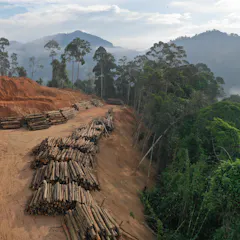
A single tree in a tropical forest has the same cooling effect as two air conditioners. Imagine how hot it gets when a whole forest is felled.
Top contributors
-

Lecturer and Researcher, Urban Design and Town Planning, University of the Sunshine Coast
-
Associate Professor of Economics, Australia Director - Centre for International Trade and Business in Asia (CITBA), James Cook University
-
ARC Future Fellow and Associate Professor in Climate Science, ARC Centre of Excellence for 21st Century Weather, The University of Melbourne
-
Professor in Architecture, Griffith University
-
Distinguished Professor, James Cook University
-
Professor in Marine Biology, Nord University
-
Adjunct Professor of Environmental Geography, CQUniversity Australia
-
Professor of Atmospheric Sciences, Monash University
-
Reader in Ecology and Conservation Biology, Manchester Metropolitan University
-
Professor of Biodiversity, University of Northampton
-
Lecturer, School of Agriculture, Food and Ecosystem Sciences, The University of Melbourne
-
Senior Research Fellow, James Cook University
-
Professor in Wildlife Ecology and Conservation, School of Life & Environmental Sciences, Deakin University
-
Vice-Chancellor, James Cook University
-
Research Associate Professor of Biology, Texas A&M University