
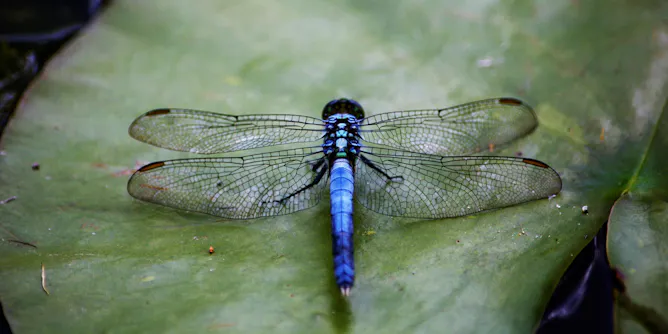
New data from tropical and subtropical regions suggests insects are declining thanks to dammed rivers
Articles on Tropics
Displaying 21 - 40 of 56 articles
Tracking species over their lifetimes can reveal their climate adaptation secrets.
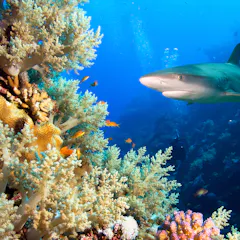
Climate change has already made tropical oceans too hot for some marine species to survive. As they flee towards the poles, the implications for ecosystems and human livelihoods will be profound.

Hollywood movies have long leaned into colonial representations of the tropics: imagined as romantic palm-fringed coasts full of abundance, but also scary places full of pestilence and primitiveness.
Absolute temperatures are expected to rise more slowly in the tropics than in higher latitudes and polar regions, but the combination of heat and rising humidity will make life more challenging.
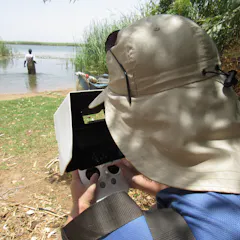
Schistosome worms infect hundreds of millions of people worldwide. Researchers have discovered how to use inexpensive drones to identify disease hotspots in remote African villages.
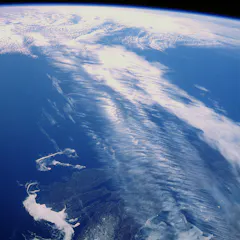
The jet stream is being distorted on both sides by fast-warming tropical and Arctic air. Should the tropics win out, weather patterns could change profoundly.
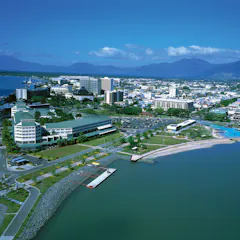
The world’s fastest-growing cities are in the tropics. They are highly exposed to climate change, especially as urban heat island effects and humidity magnify the impacts of increasing heatwaves.

Good urban design and walkability boost local economic activity by increasing public activity, but cities need to pay more attention to the effects of microclimates on streets and public spaces.
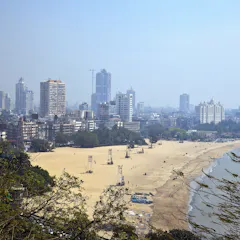
When we plan a better future for an increasingly urbanised world, we need to be aware that more than half of all children now live in the tropics. That calls for solutions with a tropical character.

Many nations are restoring degraded tropical forests to slow climate change, protect endangered species and improve rural life. But those forests often are cleared again soon afterward.

Urbanisation is the main reason for rising temperatures and water pollution, but receives little attention in discussions about the health of water streams, reefs and oceans.
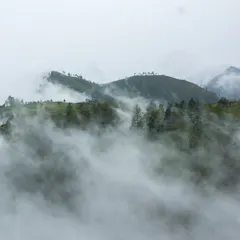
Despite its global importance, the rainy ‘Maritime Continent’ around Indonesia is hard to capture using global climate models. But fear not - new research shows how to improve our forecasts.
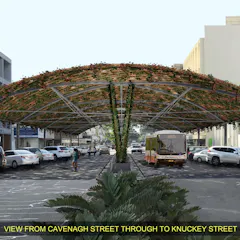
Darwin’s climate is getting even hotter and it’s one of the main reasons people leave the city. A lot more can be done, though, to make our tropical cities safe, cool and enjoyable.
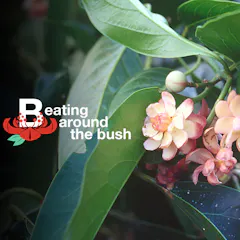
In a few idyllic parts of Queensland grows the idiot fruit, a tall tree with intricate flowers and some of the largest seeds in Australia.
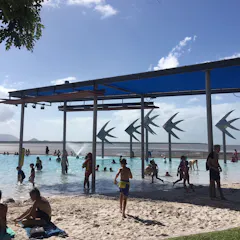
There’s no such thing as a one-size-fits-all plan for sustainable, healthy urban living. Urban diaries help identify what works – and doesn’t work – for tropical cities like Cairns or Townsville.
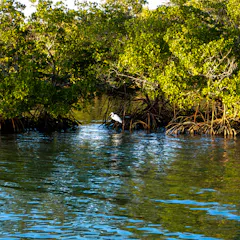
As Earth’s climate warms, mangroves are expanding north and south from tropical zones. Mangroves reinforce shorelines and store huge quantities of carbon, so protecting them is an effective climate strategy.
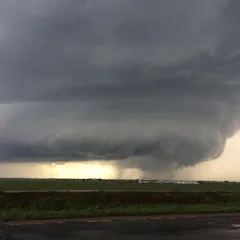
The amount of atmospheric energy available to thunderstorms will increase in response to climate change, putting the tropics and subtropics at risk of being lashed with more intense storms.
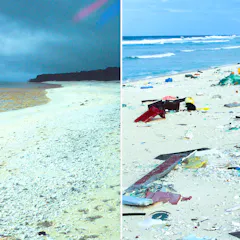
After making worldwide headlines with the story of the Pacific “garbage island”, researchers were sent a photo of the same beach, white sand free of litter, as recently as 1992.
The global tropical climate zone is expanding. At the current rate, by 2100 its edge will stretch from Sydney to Perth.
Top contributors
-

Lecturer and Researcher, Urban Design and Town Planning, University of the Sunshine Coast
-
Associate Professor of Economics, Australia Director - Centre for International Trade and Business in Asia (CITBA), James Cook University
-
ARC Future Fellow and Associate Professor in Climate Science, ARC Centre of Excellence for 21st Century Weather, The University of Melbourne
-
Professor in Architecture, Griffith University
-
Distinguished Professor, James Cook University
-
Professor in Marine Biology, Nord University
-
Adjunct Professor of Environmental Geography, CQUniversity Australia
-
Professor of Atmospheric Sciences, Monash University
-
Reader in Ecology and Conservation Biology, Manchester Metropolitan University
-
Professor of Biodiversity, University of Northampton
-
Lecturer, School of Agriculture, Food and Ecosystem Sciences, The University of Melbourne
-
Senior Research Fellow, James Cook University
-
Professor in Wildlife Ecology and Conservation, School of Life & Environmental Sciences, Deakin University
-
Vice-Chancellor, James Cook University
-
Research Associate Professor of Biology, Texas A&M University