

The term is everywhere, but what does it mean? Six guiding principles can help organisations provide care without causing further harm.
Articles on Trauma-informed care
Displaying all articles

Our research suggests that psychology plays a role in causing this common and extremely painful condition.

The youngest child in the study was a 4-year-old, who said she liked being given a teddy bear at the hospital.

Childhood trauma can completely alter the trajectory of someone’s life, but for others, it barely affects them at all. After going through trauma, why do some people seem fine?

As US cities struggle to reduce homelessness, two scholars explain how planners can reform shelter design to be more humane and to prioritize mental health and well-being.

Children and youth in care are more likely to have experienced trauma that can affect future health. A comprehensive, trauma-informed health strategy for these children and youth is long overdue.
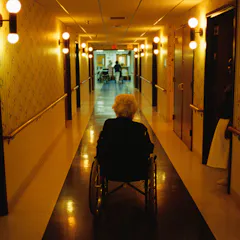
COVID-19 hit long-term care facilities hard. Addressing the trauma that residents and staff endured is key to regaining trust in a space that may no longer feel safe.
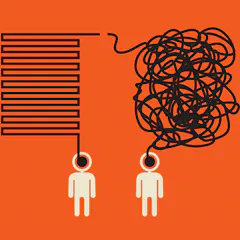
Adults who experienced trauma in childhood may get poor medical care because they have trouble telling a clear story about their health.
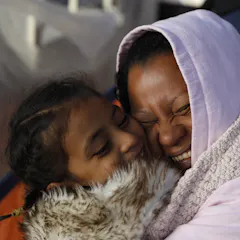
Research shows that when refugees arrive in Canada they find a health system that is ill-equipped to meet their complex social and psychological needs.
Top contributors
-

Professor of Psychiatry, University of Toronto
-
Professor of Psychiatry, University of Toronto
-
Assistant Professor, Schulich School of Medicine and Dentistry, Western University
-
Clinical Associate Professor in Nursing and Clinical Associate Professor, School for the Future of Innovation in Society, Arizona State University
-
Full Professor and Associate Vice-President, Research, Mount Saint Vincent University
-
Senior Lecturer, Youth Work & Youth Studies, Social Equity Research Centre, RMIT University
-
Professor of Psychology, Saint Mary’s University
-
PhD Candidate in Humanitarian Design and Infrastructure Studies, Arizona State University
-
Associate Professor of Social Work, University of Maryland, Baltimore County
-
PhD candidate (health), Dalhousie University
-
Provincial Clinical Lead for Trauma Informed Care, IWK/NSH Child/Youth MHA, Sessional Instructor, Dalhousie School of Social Work, PhD Candidate in Health, Dalhousie University
-
Assistant professor, Departments of Emergency Medicine and Pediatrics, Dalhousie University
-
Community Pediatrician within Division of Community Pediatrics/Adjunct assistant professor, Department of Pediatrics, Dalhousie University
-
Manager, Northern Centre Against Sexual Assault. PhD Candidate, La Trobe University
-
Associate Professor of Psychiatry, of Chronic Disease Epidemiology, and of Biomedical Informatics and Data Science, Yale University