
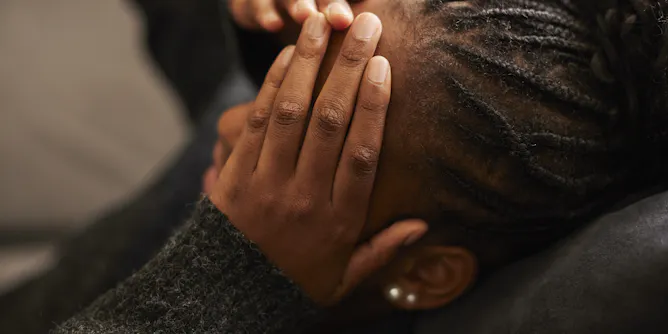
School personnel in Detroit and community members in Flint reported concerns about teens experiencing mental health conditions.
Articles on Adverse childhood experiences
Displaying 1 - 20 of 29 articles

Guilt and shame from being rejected, discriminated against or bullied as a child can carry into adulthood. But making meaning from these experiences can help with healing.

Treating all adversity as inherently negative does a disservice to children and their ability to develop adaptive coping mechanisms that can protect them in future cases of adversity.

New research finds that marmots who experience adversity early in life have a lesser chance of survival.

No one can escape stress, but sometimes it takes a physical and emotional toll that translates to disease and other health effects. The good news is that there are new approaches to treating it.

Additional research and attention is needed — particularly in Canada — to provide schools with evidence-based, trauma-informed and culturally attuned approaches to school discipline.

Childhood adversity can put people at risk of perpetrating domestic violence in the future. Having a supportive social network and learning ways to regulate the stress response, however, can help.

Government departments, civil society groups and the private sector should pool resources and work together in a co-ordinated manner to prevent violent crime.

With newfound fame and fortune, NBA rookies who come from poverty face a bevy of challenges that threaten to derail their success.

Adverse childhood experiences are associated with an increased risk of mental health problems in adulthood.

Children and youth in care are more likely to have experienced trauma that can affect future health. A comprehensive, trauma-informed health strategy for these children and youth is long overdue.

The impact of early childhood trauma on lifelong physical and mental health makes it urgent to invest in programs to support healthy pregnancies and stable, caring very early childhoods.

Adverse childhood experiences like abuse, neglect and dysfunction at home may not seem like primarily medical problems, but they have significant and enduring impact on physical and mental health.

A trauma-informed approach to education can help educators acknowledge and address the adversities faced by Black and Indigenous students.

One in three children experiences abuse or neglect. These adverse events increase lifelong risks for chronic diseases and mental health issues, creating a public health hazard hiding in plain sight.

As a society, we must shift our collective culture away from a silent complacency around interpersonal trauma and towards intentionally working to prevent it.
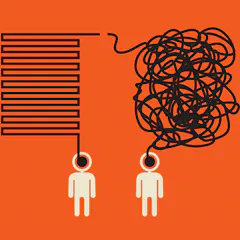
Adults who experienced trauma in childhood may get poor medical care because they have trouble telling a clear story about their health.

The execution of Lisa Montgomery in the U.S. earlier this year demonstrates how society misunderstands the effects of mental illness and trauma on criminal behaviour.

Parents can take a page from psychological research on trauma and recovery to help kids struggling with pandemic life.
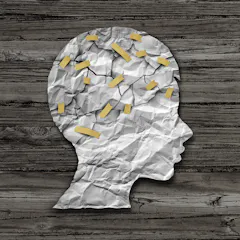
California’s surgeon general has implemented schoolwide screenings for trauma. A social work professor explains why the rest of the nation should do the same.
Top contributors
-

Associate Professor, School of Public Health, Georgia State University
-
Associate Professor, King’s School of Social Work, Western University
-
Professor of Psychiatry, University of Toronto
-
Professor of Psychiatry, University of Toronto
-
Founder and Executive Director, Center for Violence Prevention Research; Affiliate Faculty with the Crimes Against Children Research Center, University of New Hampshire
-
Director, Johns Hopkins Urban Health Institute, Johns Hopkins University
-
Associate Professor, Sociology, Athabasca University
-
Full Professor and Associate Vice-President, Research, Mount Saint Vincent University
-
Assistant Professor, National Catholic School of Social Service, Catholic University of America
-
Clinical Associate Professor, Faculty of Medicine, University of British Columbia
-
Community Pediatrician within Division of Community Pediatrics/Adjunct assistant professor, Department of Pediatrics, Dalhousie University
-
Professor of Psychiatry and Behavioral Sciences, Oklahoma State University
-
Professor, Canada Research Chair in Determinants of Child Development, Owerko Centre at the Alberta Children’s Hospital Research Institute, University of Calgary
-
Professor, Psychologist, Athabasca University
-
Assitant Professor of Global Health, Boston University