
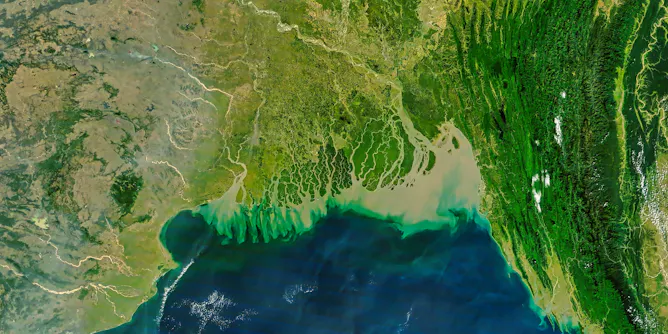
Bangladesh’s planned Padma Barrage may repeat mistakes made by India when it dammed the Ganges.
Articles on Transboundary water
Displaying all articles

Water treaties should be rewritten to factor in climate change and new geopolitical realities.
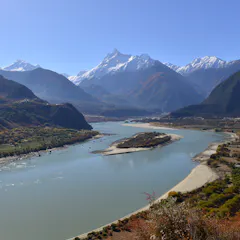
The Yarlung Tansgpo / Brahmaputra dam shows we often don’t know how to deal with rivers that cross national borders.
One of the greatest challenges facing our oceans is illegal, unreported and unregulated fishing. And a vital tool against this is problem is context-specific fisheries transparency.
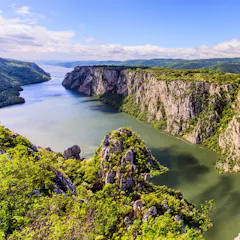
Transboundary water cooperation can reduce conflict and promote sustainable development.

Locals from Asunción Mita, Guatemala recently voted against the development of mining activities in their municipality, in a referendum contested by a Canadian mining company that owns a gold mine.

Where natural resources are shared, in addition to the states, regional and international organisations also have a role to play in steering who gets what.
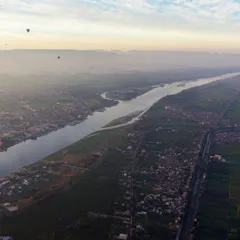
One of the major scenes of a potential water crisis and conflict is the Nile River.
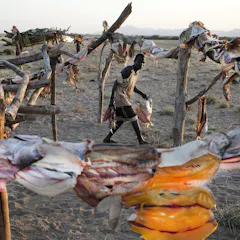
Ethiopia’s GIBE III dam has been labelled the world’s most controversial dam due to environmental and social impacts and the displacement of indigenous people.
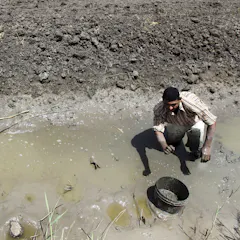
At present, the Middle East and North African region contains 7% of the world’s population but only has access to 1.5% of its renewable freshwater supply through rainfall.
Top contributors
-

Senior Research Fellow and Lecturer in Environmental Management, University of Manchester
-
Consultant in Hydrology and Water Resources, Kenya citizen, Visiting Research Fellow, King's College London
-
Senior Researcher and Associate Professor, The Nordic Africa Institute
-
Senior Research Fellow and Cluster Coordinator Institute on Comparative Regional Integration Studies (UNU-CRIS) and Adj Prof McMaster University, Canada, United Nations University; McMaster University
-
Affiliated Researcher, Fisheries Economics Research Unit, University of British Columbia
-
Research Fellow in Water and Resilience, Cranfield University
-
Professor of Law, Northumbria University, Newcastle
-
Director, Nautical Crime Investigation Services, University of British Columbia
-
PhD Candidate, Media Studies, Western University
-
Visiting Professor, King's College London
-
Associate Professor in Risk and Disaster Science, UCL