
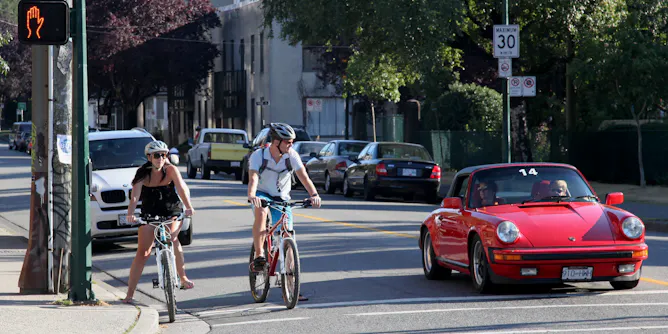
Cities around the world are reducing traffic speeds and improving access to local services and activities by public transport, cycling and walking. They are now reaping the many ‘slow city’ benefits.
Articles on Traffic
Displaying 61 - 80 of 154 articles
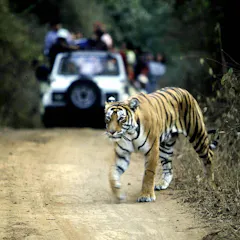
An infrastructure boom threatens endangered tigers across Asia. Scientists want to know more about how tigers behave near roads so they can design wildlife-friendly transportation networks.
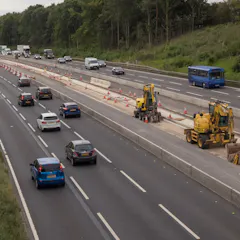
One more lane won’t fix Britain’s congested motorways.
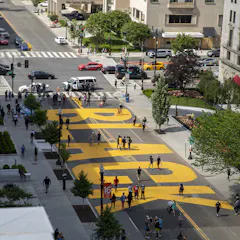
COVID-19 has underscored the value of parks and public spaces. A new survey shows that US mayors have gotten the message, but post-pandemic plans for public spaces remain largely undefined.

For every kilometre of road in Europe, you’re likely to find one dead hedgehog.
COVID led to commuting time savings worth over $2,000 a year for each driver and $5,000 per public transport user. But as workplaces reopen, we may need road user charges to keep traffic flowing.
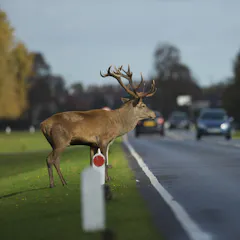
Roads and traffic are causing massive mortality of wild animals worldwide and the road network is rapidly expanding. Can the wildlife death toll be stopped?

Staff and customers with underlying health conditions are likely to be most at risk at drive-through windows.
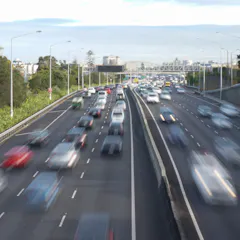
Motorways were once seen as a way of reducing congestion in our towns and cities. But the more we build, the more they fill with drivers.
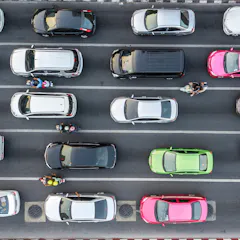
Government action is needed to cut car dependency.
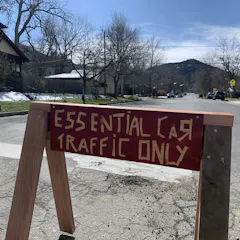
City streets were built to accommodate cars, but the COVID-19 pandemic has scrambled our transport needs. Many cities are moving to make streets more people-friendly and less car-centric.

Some people think road crashes are destined to happen and drivers can do little to prevent them.

First trains, then cars and, now, COVID-19 have all spurred New York to reimagine how its scarce space should be used – and what residents need to survive.
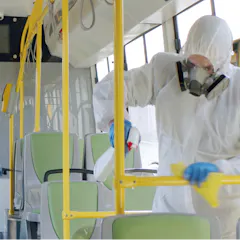
Some new habits we’ve seen emerging during the pandemic could help us solve tricky problems like traffic congestion, which have challenged our cities for a long time.

Road networks are emptying during lockdown. What does it mean for wildlife now and in the future?
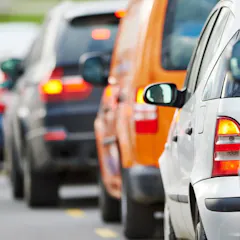
Traffic congestion causes more problems than just being stuck in traffic. There are real effects on the health, quality of life and wallets of taxpayers.

Faced with the eye-watering costs of building infrastructure, it makes sense to turn to much more cost-effective smart technology to get traffic flowing.
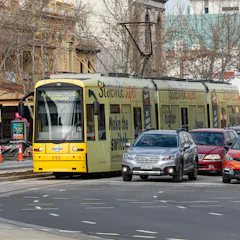
Scenarios based on a survey of Adelaide commuters and analyses of traffic flows show it’s possible the congestion could get worse in the transition to driverless vehicles.
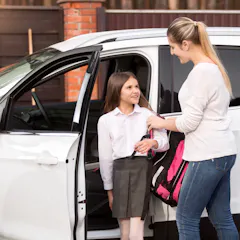
An analysis of trips to school has found the extra time and distance private secondary school students travel is a significant contributor to morning peak-hour congestion.
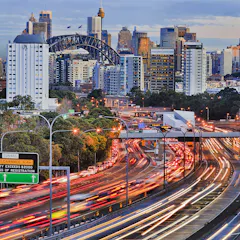
Commuters who drive to and from the CBD typically earn much more than most. Concerns about the fairness of charging drivers who use these busy roads at peak times are overblown.
Top contributors
-
 John Rennie Short is a Friend of The Conversation.
Professor Emeritus of Public Policy, University of Maryland, Baltimore County
-
Honorary Professor of Transport Studies
-
Associate Research Scientist, Texas A&M University
-
Associate Professor in Infrastructure Management, University of Sydney
-
Professor of Transport Technology and Sustainability, Swinburne University of Technology
-
Transport and Cities Program Director, Grattan Institute
-
Professor of Environmental Design, University of Colorado Boulder
-
Researcher in Road Ecology, Nottingham Trent University
-
Professor of Civil Engineering, Penn State
-
Professor, Crawford School of Public Policy, Australian National University
-
Professor and Director, Institute of Transport and Logistics Studies, University of Sydney
-
Professor of Civil and Environmental Engineering and Director, Supply Chain Transportation and Logistics Center, University of Washington
-
Transport Fellow, Grattan Institute
-
Professor of Transport, University of Sydney
-
Associate Research Professor, Urban Health Collaborative, Drexel University