
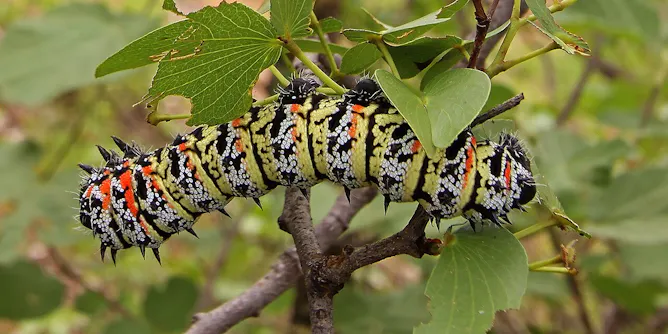
Mopane worms are an important source of food security and cash income for some rural households.
Articles on Traditional knowledge
Displaying 1 - 20 of 26 articles
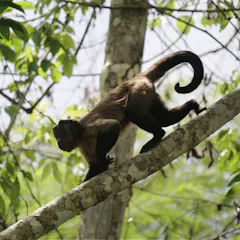
The primate species identified in the Sete de Setembro Indigenous Land have symbolic meanings that are deeply associated with the cultural, ecological and mythological elements of the Paiter-Suruí people’s cosmology
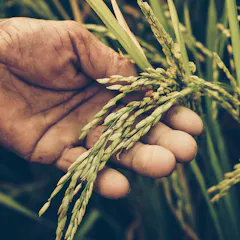
Can you patent something Indigenous peoples already know about? Too often, the answer is yes - but moves are afoot to stop it.
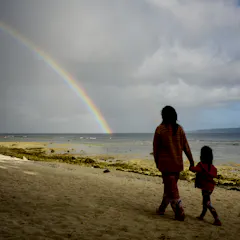
We reviewed evidence on traditional knowledge in the Pacific for coping with climate change, and found much of it was scientifically plausible.
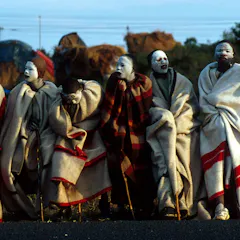
The philosophy of ubuntu means that good health is for everybody and disability is not regarded as a difference.
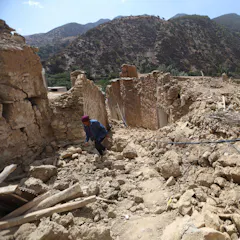
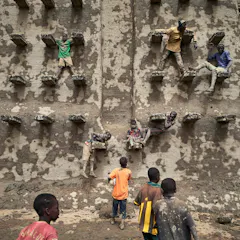
Traditional earthen building cultures are often wrongly described as ‘primitive’ and blamed for their own destruction.

One key difference between kaitiakitanga and conservation is that the former considers people as part of the environment, while the latter manages nature as if people were separate from it.

The DIALOG network forms a bridge between scientific and Indigenous knowledge. It renews the relationship between the university and the Indigenous world, which has for too long been one-sided.
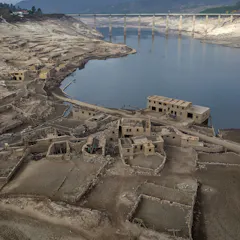
Water is central to adapting to climate change, but very few of the strategies put in place to respond to water hazards or ensure its availability have been evaluated.

The climate emergency can’t be addressed with simplistic solutions. A network of Indigenous communities in Brazil invites us to reorient colonial approaches and embrace deeper change.
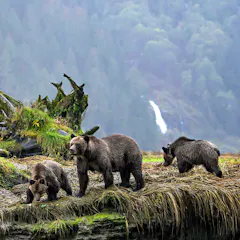
Genetic analysis of grizzly bear populations in British Columbia has revealed a connection in how bear and human cultures may have responded to the landscape.
The next ten years will be a critical period in which research agendas can be developed.
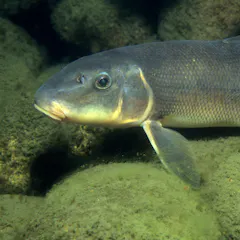
Children in an Oji-Cree northern First Nation are learning traditional teachings about ‘Namebin’ (suckers) and working on literacy skills at the same time through a community literacy project.
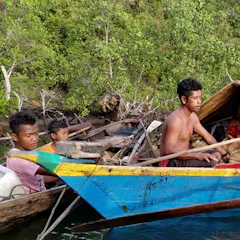
Traditional ecological knowledge of Indigenous peoples offers ways to adapt to climate impacts.
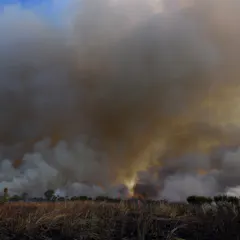
The extent of this achievement is staggering, almost incomprehensible in a southern Australia context after the summer’s devastating bushfires.
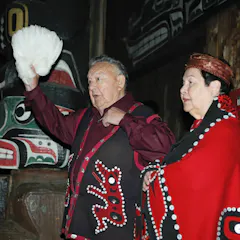
Ancestral Indigenous songs often encode territorial responsibilities and rights, such as in relationship with ‘lokiwey’ (coastal clam gardens) on the Pacific Northwest Coast.
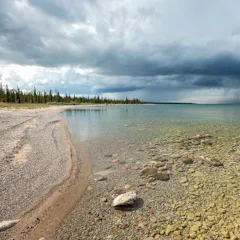
A holistic approach to conservation finds people have a place in the natural world and a responsibility to maintain it.
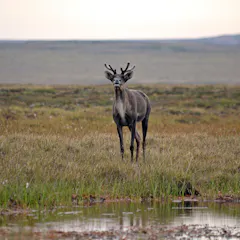
Science is a multicultural enterprise that benefits from and indeed requires competing views.

While industry bodies fight over who can claim that their mānuka honey is authentic, Māori interests are often left out of the debate.

Many Native languages are dying, and their loss has deep and profound implications for our world.
Top contributors
-

Emeritus Distinguished Professor of Archaeology, Simon Fraser University
-
Professor of Law, L’Université d’Ottawa/University of Ottawa
-
Researcher in International Relations and Politics, Development Studies and Borders, Indian Institute of Technology Guwahati
-
Professor of History, University of Illinois Urbana-Champaign
-
Research Associate in Higher Education Policy and Planning, Ali Mazrui Centre for Higher Education Studies, University of Johannesburg
-
Prof of Archaeological Science, University of Oxford
-
Professor of Commercial Law, Te Herenga Waka — Victoria University of Wellington
-
Canada Research Chair in Indigenous Peoples’ Well-Being and an Associate Professor in the Department of Educational Studies, University of British Columbia
-
Professor, UNSW
-
Associate professor, University of British Columbia
-
Associate Professor of Teaching, Sustainable Food Systems, University of British Columbia
-
Teacher and Northern Oral Language and Writing Through Play community research partner
-
Contributor to the special issue on Ethnobiology Through Song/CEO Ninogaad Knowledge Keepers Foundation/Board of Directors APTN, Indigenous Knowledge
-
Professor in Biological Sciences, University of Auckland, Waipapa Taumata Rau
-
Instructor of English and Creative Writing , University of Alberta