
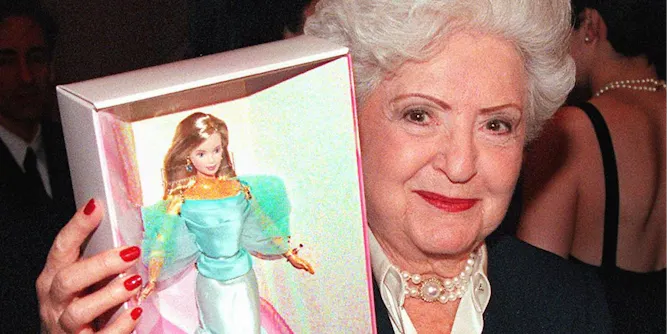
2019 marks the 60th anniversary of the world’s most famous doll, Barbie. It’s an opportunity to look back at the journey of its creator, Ruth Handler, a visionary leader and model for women.
Articles on Toys
Displaying 41 - 60 of 68 articles

With the surprise meticulously planned, all eyes – and lenses – turn to the kids. All they have to do is react as expected: overjoyed. So why don’t they?
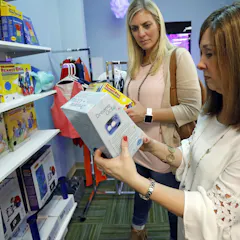
There’s a spectrum of quality when it comes to what kids can do with screen time. An expert in early childhood technology suggests picking tech activities that promote problem-solving and fun.
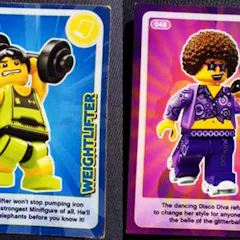
The female characters appear to reinforce traditional gender roles.
Many children receive gift cards or even ask for them so they can choose their own presents. But are youngsters ready to handle the wiles of advertisers and the complexities of ‘credit’ on a card?

Ken dolls with a ‘man bun’. Female superhero action figures. At long last, the gendered distinctions of the pink and blue toy aisles are starting to break down.

As Amazon introduces a new smart-home device aimed at children, it’s important to know many internet-connected toys are not secure, putting kids’ security and privacy at risk.

Truly green plastic requires more than sustainable raw materials.
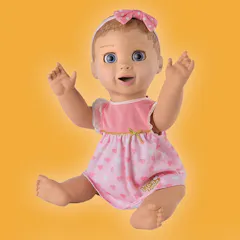
The technological revolution has hit the doll aisle this holiday season in the form of artificial intelligence dolls. What does it mean for children’s development, to confuse real bodies with machines?

Adults are dumbfounded – and according to an expert on fads, that’s probably the point.
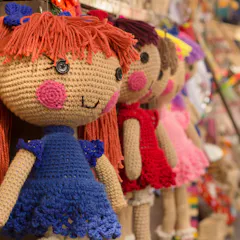
Welcome to no-gender December, where parents (and Santa) are being encouraged to give children gender-neutral Christmas presents.
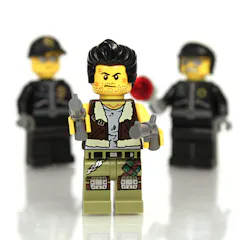
A new study says that LEGO is becoming weaponised. But play is more sophisticated than many adults think.

Whether gendered toys are creating stereotypes or just playing to boys’ and girls’ innate differences is a vexed question.
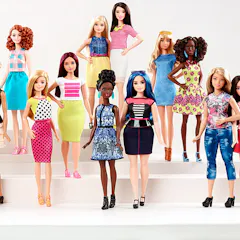
Barbie has a forgotten history of changing in response to market pressures. Are her multiple new bodies ushering in an era of ethical body inclusiveness, or is Mattel just shifting deckchairs on the Titanic?
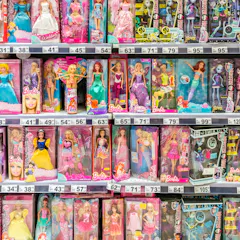
Despite her age Barbie hasn’t matured – a successful formula that has worked for Mattel.
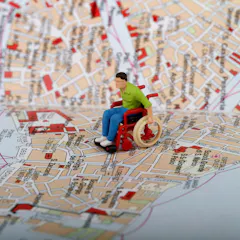
The history of disability toys – that is, both toys designed for use by disabled children, and toys that depict disability – reflects the changing treatment of the disabled.
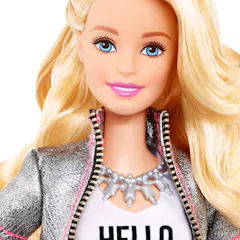
The new conversational Barbie doll may be good at keeping children entertained, but do we really know who’s listening in?
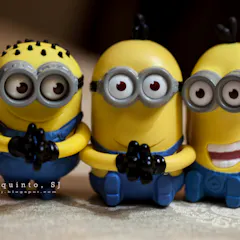
Did your child just drop the F-bomb? What can you do?
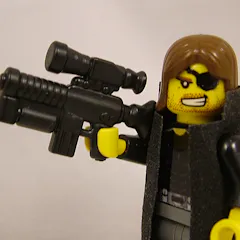
An EU court has ruled that Lego’s iconic mini-figures are a protected trademark and so cannot be copied. Here’s why.
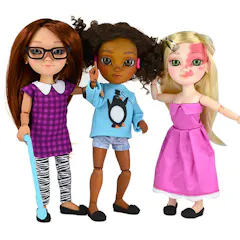
Makies, the #toyslikeme campaign and the broader focus on disability in digital spaces show we are in the midst of a significant shift towards an inclusive world view of disability.
Top contributors
-

Professor in Internet Studies, Curtin University
-
Associate Professor of Marketing, Tasmanian School of Business and Economics, University of Tasmania
-
Emeritus Professor, University of Tasmania
-
Associate Professor in Education, Concordia University
-
Professor of Psychology, University of Cambridge
-
Professor of Sociology and Criminal Justice, University of Delaware
-
Senior lecturer, School of Psychology, Deakin University
-
Research Chair, Indigenous Approaches to Environmental Management, Keele University
-
Associate Professor of Sociology, Deakin University
-
Senior Lecturer in Global Studies, RMIT University
-
Associate Professor in Literary Studies, Monash University
-
Associate professor, Architecture and Design, Swinburne University of Technology
-
Lecturer, Faculty of Education and Arts, Australian Catholic University
-
Lecturer in Linguistics, Nottingham Trent University
-
Senior Lecturer in Human Geography, University of Portsmouth