

It’s mushroom season in many parts of Australia. Here’s what you need to know before you go foraging.
Articles on Toxic
Displaying 21 - 35 of 35 articles
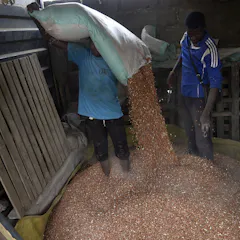
Nigerians are fond of beans but they need to preserve them without using toxic chemicals.

A wave of infrastructure projects is coming as federal funds pour in. Cities and everyone in them needs to know the risks from the cheapest, most popular repair method and how to avoid harm.
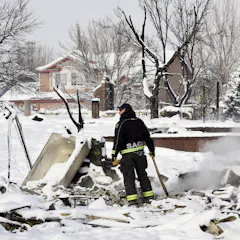
Noxious smells and blowing ash initially made the homes unlivable. But even after their homes were cleaned, some residents still reported health effects months later.
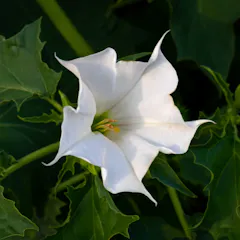
Thornapple or jimsonweed and related plants have an interesting history – from an early asthma treatment to intoxicated British soldiers.
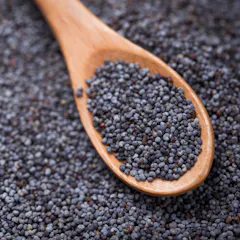
Affected poppy seeds made into a tea have led to seizures and cardiac arrests.

The US Senate voted to ratify the Kigali Amendment, agreeing on a bipartisan vote to phase down climate-warming HFCs. Now what?

Tests found PFAS in school uniforms, pillows, upholstered furniture and several other items that are often next to children’s skin and near their noses and mouths.
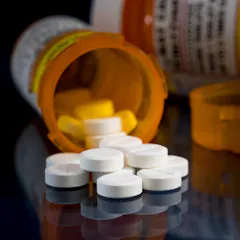
Restricting drug access can make the overdose crisis worse, not better. A bioethicist explains what that means for an ethical drug policy.
They’re calling for advice before using bleach or disinfectant. Or they’re calling to ask about side-effects after gargling, spraying or bathing in them. It’s a worry.

Those directly exposed to toxic dust and trauma on and after 9/11 carry with them a generation of chronic health conditions, which are placing them at higher risk during the pandemic and as they age.

HFCs keep refrigerators cool, but when these short-lived climate pollutants leak, they warm the planet.
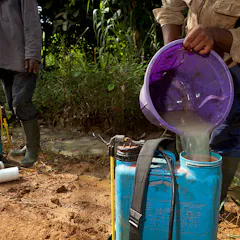
Small, practical messaging campaigns on pesticide toxicity can lead farmers to choose safer, less-toxic pesticides.
PFAS chemicals are toxic, widespread and persistent in the environment, and the federal government has been slow to regulate them. A scientist explains why evaluating them one by one isn’t working.
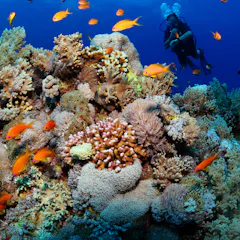
Researchers have just discovered a new species of bacteria that cranks out a deadly toxin. In a common arrangement in the marine environment, a slug and alga both use this toxin for their own defense.
Top contributors
-

Conjoint Associate Professor in Clinical Pharmacology and Toxicology, St Vincent’s Healthcare Clinical Campus, UNSW
-
Professor of Civil, Environmental and Ecological Engineering, Purdue University
-
Senior Lecturer in Pharmacology, Adelaide University
-
Professor of Atmospheric Science, Colorado State University
-
Professor of Chemistry, University of Colorado Boulder
-
Professor of Ecotoxicology, Leiden University
-
Adjunct Senior Researcher, Ecology and Biodiversity, University of Tasmania
-
Professor of Chemistry, Colorado State University
-
Associate Professor of Geography, University of Colorado Boulder
-
Professor; Faculty of Science, University of Technology Sydney
-
Associate Professor, School of Chemistry and Molecular Biosciences, The University of Queensland
-
Professor of Water Science, Liverpool John Moores University
-
Assistant Professor, Faculty of Arts and Science, Nipissing University
-
Lecturer , Federal University of Agriculture, Abeokuta
-
Professor of Science Communication and Chemistry, University of Hull